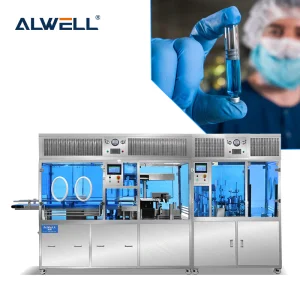
Precision engineered composite configurations built to withstand extreme abrasion, high salinity, and chemical erosion.
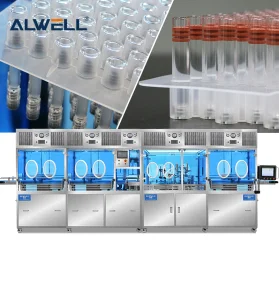
Zero-contamination composite rotary pump assemblies optimized for sterile process controls.
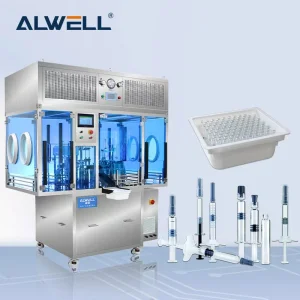
Ideal for high-abrasion paste and slurry transport in complex processing loops.
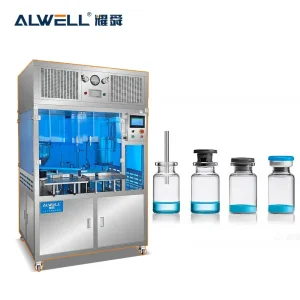
Corrosion-resistant dynamic sealing rings designed for municipal water processing.
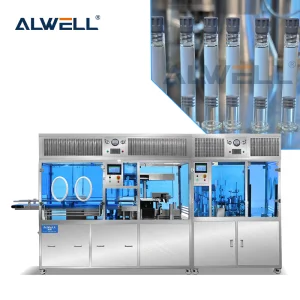
Engineered for high-frequency strokes with minimal surface degradation.
The industrial architecture of Takamaka, Mahé, and the wider Seychelles region demands highly specialized infrastructure. Set against a backdrop of severe marine atmospheric conditions, hypersaline sea breeze, and localized industrial operations—ranging from clean energy plants and water utilities to beverage distilleries (such as the historic rum production sites) and agricultural processing—traditional metallic fluid handling components suffer from rapid degradation cycles.
Standard cast iron, bronze, and even 316-grade stainless steel impellers, liners, and pipes succumb to synergistic wear-corrosion. Sandy marine water intake, abrasive organic slurry, and chemically aggressive clean-in-place (CIP) chemicals rapidly scour bare metals, leading to catastrophic seals failure and unscheduled downtime.
By implementing steel-ceramic composite materials (combining the physical toughness of structural steel backings with the diamond-like hardness of alumina and zirconia ceramic linings), plant managers in Takamaka can establish robust, high-performance pumping systems that extend service intervals up to 8x compared to conventional alloys.
How our steel-ceramic composite products address the key pressure points of Seychelles' physical infrastructure.
Seawater desalination and coastal municipal water loops in Mahé are plagued by quartz sand suspended in high-salinity seawater. The abrasive sand gouges typical metal impellers, while chlorides accelerate galvanic corrosion. Our steel-ceramic composite impellers and sleeves isolate the corrosive seawater from the structural steel body, mitigating structural rot.
Processing organic sugarcane bagasse, molasses feedstocks, and acidic effluent waste generates a highly corrosive, high-solid liquid medium. Traditional metallic impellers degrade rapidly under acidic attack and friction. Alumina-lined ceramic pipes and casings offer absolute chemical inertness (pH 1–14 tolerance) and robust wear resistance.
Cooling loops utilizing untreated seawater experience intense biological fouling and high-velocity silt scouring. The inert, smooth surface characteristics of Zirconia and Alumina liners prevent marine bio-fouling attachment and completely eliminate cavitation-induced pitting along elbow turns and diffuser rings.
Two powerhouses of Chinese wear-resistant ceramics coordinating to supply high-end composite solutions to the Seychelles.
Zibo Xingli Industrial Ceramics Co., Ltd. is an enterprise specializing in the production of industrial alumina ceramic, zirconia ceramic, and carbon-silicon products. Our engineering focus centers on providing wear-resistant ceramic ball grinding media, alumina lining, ceramic liner, ceramic pipe, and inert alumina ball for catalyst support to major chemical processing hubs globally.
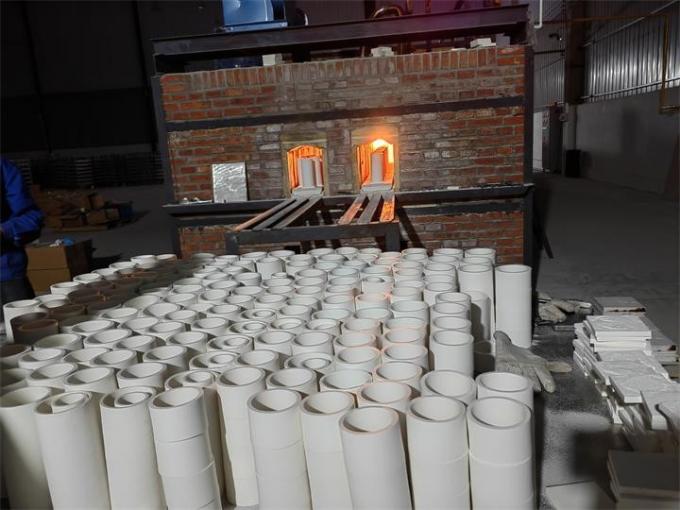
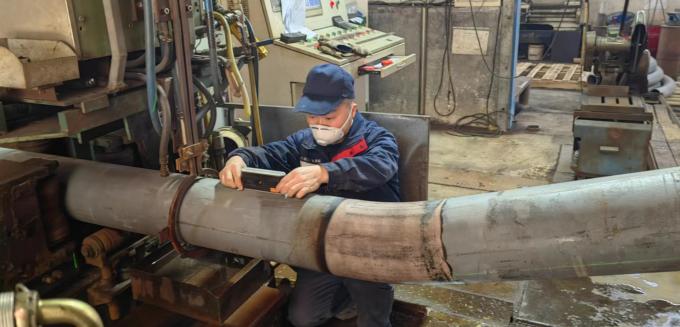
Hunan Yibeino New Materials Co., Ltd. has successfully passed the ISO9001:2015 quality system certification. From initial raw material acquisition to precise batching, sintering, and machining, all aspects of production process management and factory control are integrated into our ISO quality management system. This ensures stable mechanical performance and tight dimensional tolerances.
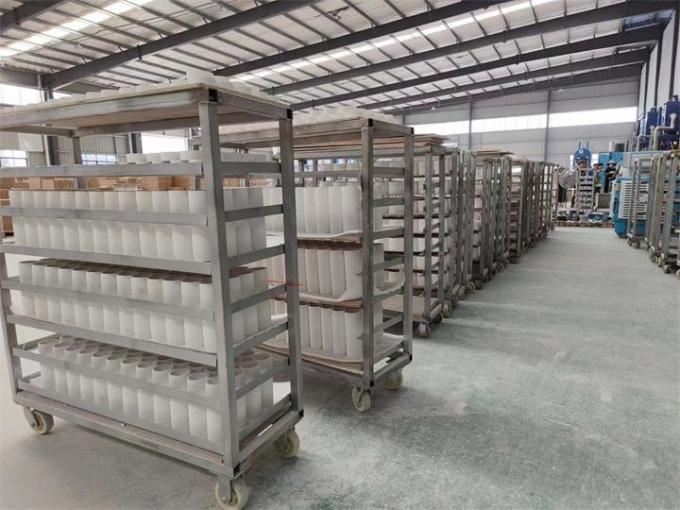
With an extensive global logistics footprint, our products are shipped to the United States, Germany, Sweden, India, Turkey, the Netherlands, Italy, Spain, Japan, South Korea, Russia, Vietnam, and now custom-tailored for regional projects in Takamaka, Seychelles. We operate on a foundation of client-first values, supplying optimized anti-wear designs that fit regional piping schemas without requiring field modifications.
How advanced ceramic composites are evolving to meet tomorrow’s efficiency and environmental demands.
In response to rising energy costs and decarbonization goals in isolated island grids like Seychelles, pump efficiency is critical. Surface roughness directly impacts hydraulic efficiency. Standard cast-iron impellers suffer from rapid degradation of surface finish, leading to boundary layer turbulence and a drop in pump efficiency of up to 15% over time.
Our research and development roadmap focuses on three main pillars:
By blending nanoscale zirconia particles into an alumina matrix, we trigger stress-induced phase transformation toughening. This structure halts micro-crack propagation, significantly increasing the fracture toughness of the ceramic lining. This allows the composite parts to survive high impact from larger stones or debris inside slurry lines.
By achieving surface roughness ratings of $Ra < 0.2 \mu m$ through automatic diamond-tipped grinding tools, we minimize hydraulic friction losses. This low coefficient of friction means less energy is consumed by the pump motor, translating to measurable fuel and power savings for operations in Seychelles.
Using proprietary multi-component epoxy formulations and vacuum brazing processes, we solve the thermal expansion mismatch between carbon steel and structural ceramics. This ensures the lining stays firmly bonded under cycling temperatures ranging from $-50^\circ C$ to $250^\circ C$.
For operations located in the mid-Indian Ocean, supply chain disruptions can lead to expensive downtime. Waiting months for customized wear spares is not sustainable. Zibo Xingli and Hunan Yibeino maintain a comprehensive, vertically integrated supply chain, starting with control over raw ceramic bauxite inputs to casting, machining, and final delivery logistics.
We provide localized engineering support by designing custom replacement parts from CAD data or physical wear parts. Our engineering team converts your drawings into ceramic-compatible designs, optimizing line geometry to eliminate sharp changes in flow direction that lead to accelerated wear spots.
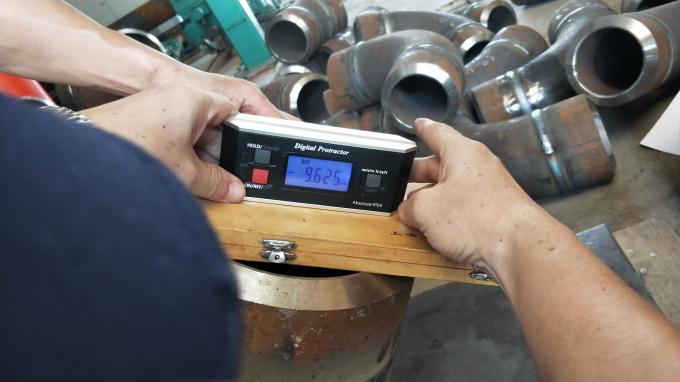
Dedicated technical engineering services ensuring precision fits and trouble-free operations.
Our sales and application engineers analyze the operating parameters of your equipment (slurry concentration, particle sizes, flow speeds, pH, and system temperatures). We draft a custom wear-prevention proposal, select the appropriate ceramic compound, and provide cost estimates for budgeting.
Upon proposal approval, our engineering department drafts CAD drawings for fabrication. The outer steel shells are manufactured and lined using high-temperature thermal bonding processes. Every part undergoes rigorous dimensional validation against specifications before leaving the factory.
We provide remote engineering support to assist your maintenance team with installation, alignment, and commissioning. In the domestic market, we guarantee technician dispatch within 48 hours. Internationally, our logistics partners expedite replacement components to prevent prolonged downtime.
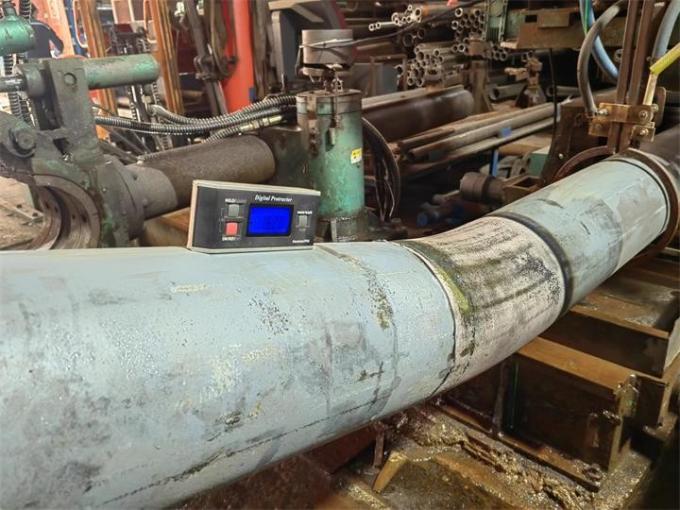
Our operations are fully certified under ISO 9001:2015 (Quality Management) and ISO 14001:2015 (Environmental Management). Advanced inspection technologies guarantee zero-defect shipments.
Compatible with major slurry and chemical process systems. Fully customizable to regional specifications.
Sub-micron gap clearance glass-ceramic plunger assemblies for abrasive gel handling.
High-grade pharmaceutical ceramic plunger set for viscous fluid metering.
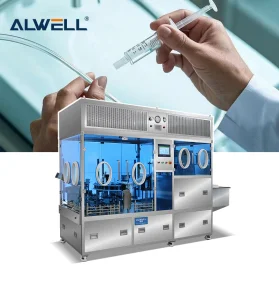
Ultra-precise dosage control pistons built with wear-resistant ceramics.
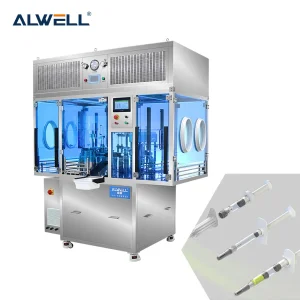
High-purity alumina ceramic cylinder and needle set for aggressive chemicals.
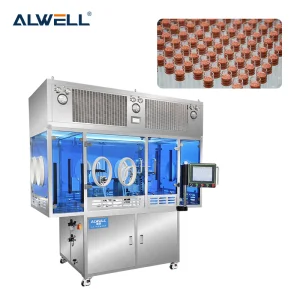
Excellent chemical and thermal resistance under rapid sealing strokes.
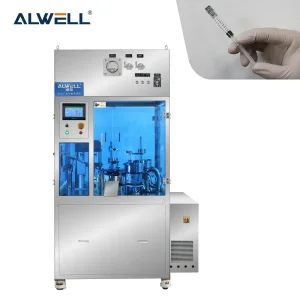
Cost-efficient wear parts designed to handle granular suspension fluids.
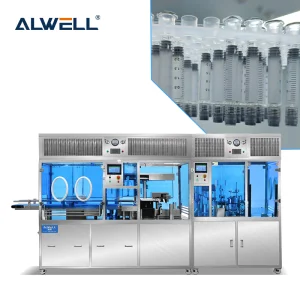
High-grade structural Zirconia pistons optimized for clean-in-place operations.
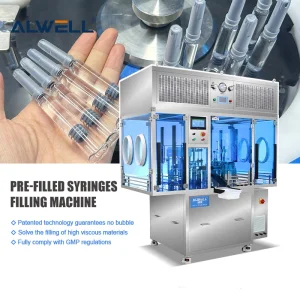
Extreme wear resistance for continuous production cycles.
Ensuring hassle-free customs clearance and delivery to Mahé, Praslin, and La Digue.
Shipping custom industrial components to Seychelles requires complete documentation to ensure prompt customs clearance and avoid storage charges at the Port of Victoria. Our export team coordinates with local logistics agents to prepare all required documentation:
Expert answers on steel-ceramic composite pump parts applications, engineering, and procurement.
High-chrome alloys rely on a thin passivation layer for corrosion protection. When handling abrasives, like sand in desalination cooling lines, this layer is worn away, exposing the base metal to localized pitting and galvanic corrosion. Steel-ceramic composite components use a thick ceramic lining (such as alumina or zirconia) that is physically bonded to a structural steel housing. This configuration provides high wear resistance (micro-hardness >HV1500) and complete chemical inertness (pH 1–14 tolerance), protecting the structural steel shell.
Yes. Our composite parts are engineered with transition adhesive layers and physical interlocking mechanisms that accommodate the differing thermal expansion rates of steel and ceramics. This permits operations across wide thermal cycles, making them suitable for high-temperature washdowns (CIP) in distilleries or hot cooling loops in power stations.
If original CAD data is unavailable, we can reconstruct the component geometry. Clients can ship a worn part to our facility, or provide detailed dimensional measurements. Our engineering team then generates a 3D CAD model, designs the matching steel-ceramic lining profile, and submits a drawing for confirmation before manufacturing begins.
The lead time depends on the complexity of the design. Standard pipe segments or wear sleeves are typically fabricated within 3 to 4 weeks. Complex castings or impellers take between 6 to 8 weeks. Transit times via sea freight to the Port of Victoria range from 20 to 30 days, while urgent spares can be shipped via air freight within 7 to 10 days.
Minimize maintenance downtime and lower your total cost of ownership (TCO) with our customized steel-ceramic composite pump parts. Talk with our application engineering team today.
 Xingli Industrial Ceramics