Precision-engineered wear solutions manufactured under ISO9001:2015 strict quality controls for extreme mechanical and corrosive environments.
A comprehensive technical analysis of tribological phenomena, intermetallic bond synthesis, and global procurement paradigms for heavy engineering applications.
In modern mineral processing, coal-fired power generation, cement manufacturing, and steel metallurgy, industrial equipment operates under intense multi-axial dynamic loading, extreme abrasive slurry velocity, thermal shock, and aggressive chemical exposure. Traditional wear-resistant metallic materials—such as high-chromium cast irons (e.g., Cr15Mo3, Cr26), hardened manganese steels, and Ni-hard alloys—frequently reach their physical limits under continuous, high-impact abrasion. While high-chromic irons offer exceptional hardness, they suffer from inherent brittleness and poor fracture toughness ($K_{IC} \approx 2.5 - 3.5 \text{ MPa}\cdot\text{m}^{1/2}$), rendering them susceptible to catastrophic spalling under high impact.
Conversely, monolithic structural ceramics like high-purity sintered $\alpha$-alumina ($\text{Al}_2\text{O}_3$) and zirconia-toughened alumina (ZTA) possess extraordinary Vickers hardness ($HV_{0.5} \ge 1500 - 1800$), chemical inertness, and extreme resistance to micro-cutting wear. However, their low tensile strength and susceptibility to tensile cracking prevent them from serving as standalone structural components in heavy-duty mechanical assemblies.
This physical dichotomy led to the development of Steel-Ceramic Composite Reinforcements. By fusing ultra-hard micro-crystalline ceramic phases into a ductile high-strength steel matrix (such as quenched and tempered structural steel or Corten steel), materials engineers create a synergistic hybrid material. The hard ceramic inserts absorb severe frictional shear and abrasive cutting forces, while the surrounding tough steel matrix absorbs tensile stress, macro-impacts, and provides easy structural weldability or mechanical bolting capabilities.
The manufacturing of reliable steel-ceramic composites requires solving the thermodynamic and physical mismatches between non-metallic covalent/ionic ceramic lattices and metallic metallic lattices. Key engineering hurdles include differences in thermal expansion coefficients ($\alpha_{\text{steel}} \approx 11.5 \times 10^{-6}/\text{K}$ vs $\alpha_{\text{alumina}} \approx 6.5 - 8.0 \times 10^{-6}/\text{K}$) and thermal conductivity differentials.
Leading Chinese manufacturers, including Zibo Xingli Industrial Ceramics Co., Ltd and Hunan Yibeino New Materials Co., Ltd., employ state-of-the-art solid-state diffusion bonding, vacuum liquid-phase sintering, and advanced bimetallic cast-in-place insertion techniques. By controlling interface reaction zones with titanium-, chromium-, or silicon-active brazing fluxes, an intermediate transition zone is generated. This nanometer-to-micrometer transition gradient mitigates residual shear stress, preventing delamination under cyclic impact loading up to 50 Joule strike energies.
| Material Metric / Specification | High-Cr White Iron (Cr15Mo3) | Pure Alumina Ceramic (95% Al2O3) | Steel-Ceramic Composite Reinforcement |
|---|---|---|---|
| Vickers Hardness (HV) | 650 - 750 HV | 1400 - 1650 HV | 1500+ HV (Ceramic) / 350-500 HV (Matrix) |
| Fracture Toughness ($K_{IC}$) | 3.0 - 4.5 $\text{MPa}\cdot\text{m}^{1/2}$ | 3.5 - 4.5 $\text{MPa}\cdot\text{m}^{1/2}$ | 12.0 - 18.0 $\text{MPa}\cdot\text{m}^{1/2}$ (Composite System) |
| Abrasion Rate (ASTM G65 Rubber Wheel) | 0.18 $g$ loss | 0.02 $g$ loss | 0.03 $g$ loss (6x life of Cr-Iron) |
| Max Dynamic Impact Resistance | Moderate (Risk of brittle fracture) | Low (Catastrophic chipping) | Exceptional (Ductile Steel Absorbs Shock) |
| Installation & Attachment Method | Specialized welding / cast bolts | Adhesive bonding / mechanical clips | Direct Welding, Stud Welding, standard CAD Bolting |
How Chinese technical ceramics and bimetallic casting facilities deliver structural cost-efficiency, strict quality assurance, and global supply stability.
China holds an unrivaled supply of high-purity bauxite, calcined $\alpha$-alumina, and rare-earth ceramic additives. Integrated raw material refining minimizes material variance, ensuring batch-to-batch microstructural density consistency exceeding 99.2% theoretical density.
Utilizing high-pressure cold isostatic pressing (CIP), computer-controlled 1700°C natural gas tunnel kilns, and automated bimetallic lost-foam casting systems, Chinese suppliers achieve near-net shape production with tolerance thresholds within ±0.15mm.
Global procurement teams in North America, Europe, and Asia-Pacific achieve significant reduction in unplanned maintenance downtime. Integrating steel-ceramic liners reduces component replacement frequency by up to 75%, significantly driving down total cost per ton processed.
Combining decades of material research, ISO-certified management, and extensive patented technologies to service global industrial leaders.
Zibo Xingli Industrial Ceramics Co., Ltd
It is an enterprise specializing in the production of industrial alumina ceramic, zirconia ceramic, and carbon-silicon products, focusing on providing wear-resistant ceramic ball grinding media, alumina lining, ceramic liner, ceramic pipe, inert alumina ball for catalyst support.
Hunan Yibeino New Materials Co., Ltd. has passed the ISO9001:2015 quality system certification. The company has a strict quality control system. Product design, manufacturing, and installation services are fully integrated into the ISO quality management system. From raw material purchase and ingredients, All aspects from production process management to factory inspection and control ensure stable product performance and excellent quality.
The company has users all over the world, mainly exporting to the United States, Germany, Sweden, India, Turkey, the Netherlands, Italy, Spain, Japan, South Korea, Russia, Vietnam and other countries. The company adheres to the business philosophy of "integrity, hard work, innovation" and adheres to the "customer We provide our customers with high-quality services based on the principle of "quality first", welcome to patronize us!
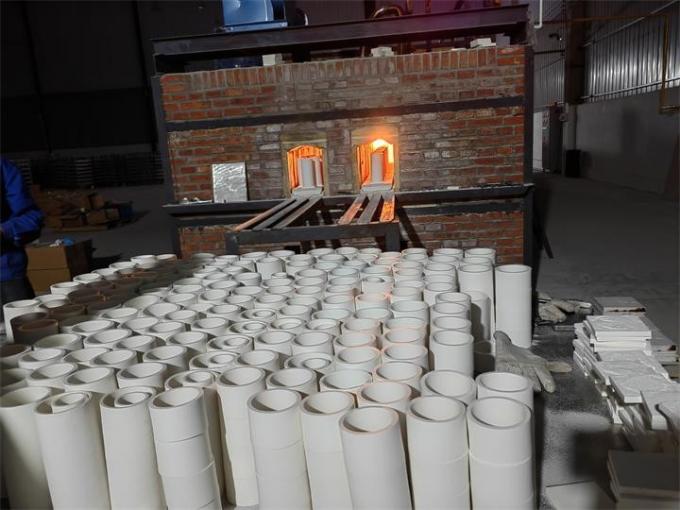
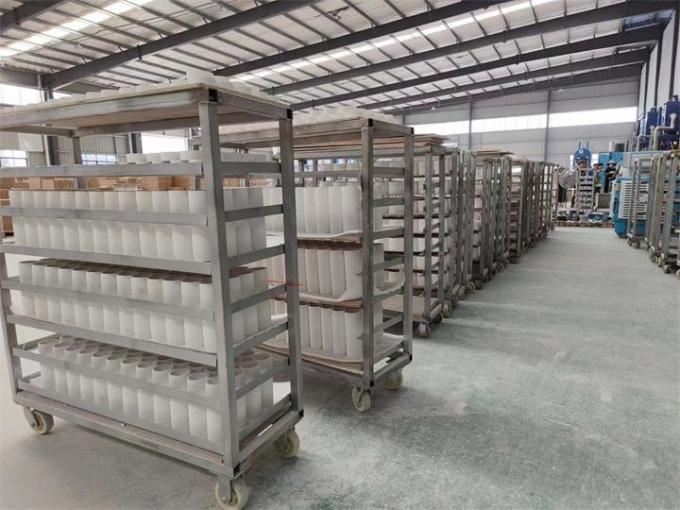
The company is a manufacturing enterprise, we have many years of on-site industry experience and can provide customers with the best equipment anti-wear design, product samples, quality service, and competitive prices.
Our ongoing technological innovation is demonstrated through our comprehensive patent portfolio, including:
Our products are exported all over the world. Our company has always insisted on the business principle of "quality, innovation, and customers first", maintaining long-term partnerships in over 30 countries across Europe, Americas, and Asia.
Our Service Architecture
The business manager goes to the customer site or communicates by phone in the early stage, provides a reasonable anti-wear solution according to the operating conditions of the equipment, and then makes a project budget quotation.
After fully understanding the operating status of the customer's equipment, design drawings for customized products for the customer, and submit them to the customer for confirmation.
Arrive at the customer site (China) within 48 hours to solve the problem, ensuring maximum operational continuity and equipment efficiency.
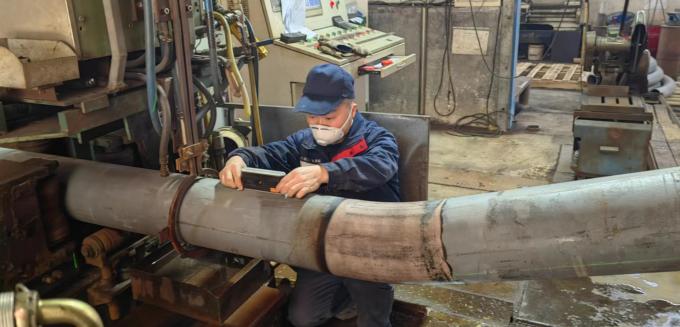
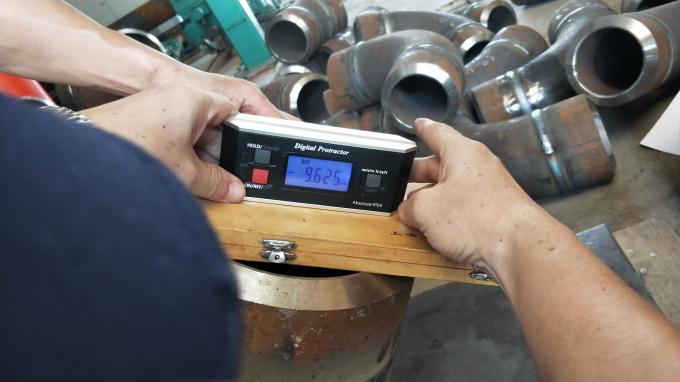
The products have passed the ISO90001 quality system certification and ISO14000 environmental management system certification, and the products are included in the ISO quality management system from research and development, design, production, and installation. Strict quality inspection is carried out before the product leaves the factory to ensure that the quality of the product is 100%.
Field-proven deployments across critical high-wear operational bottlenecks.
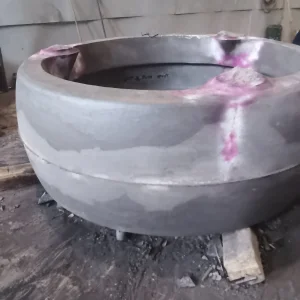
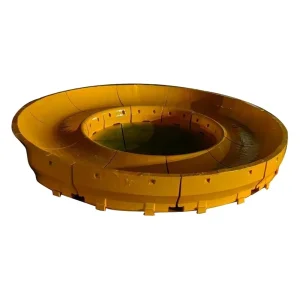
In cement plants and thermal power stations, Vertical Roller Mill (VRM) grinding roller sleeves and table liners endure heavy crushing pressure alongside constant sliding abrasion. Integrating ceramic-metal composite mill liners extends grinding sleeve service life by over 300% compared to standard high-chrome castings, preserving optimal grinding geometry and lowering energy consumption per ton.
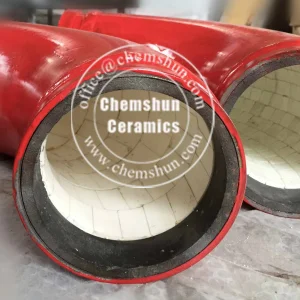
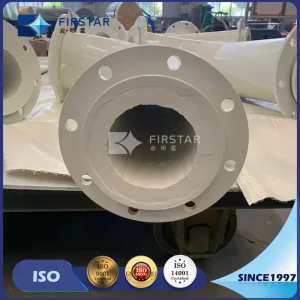
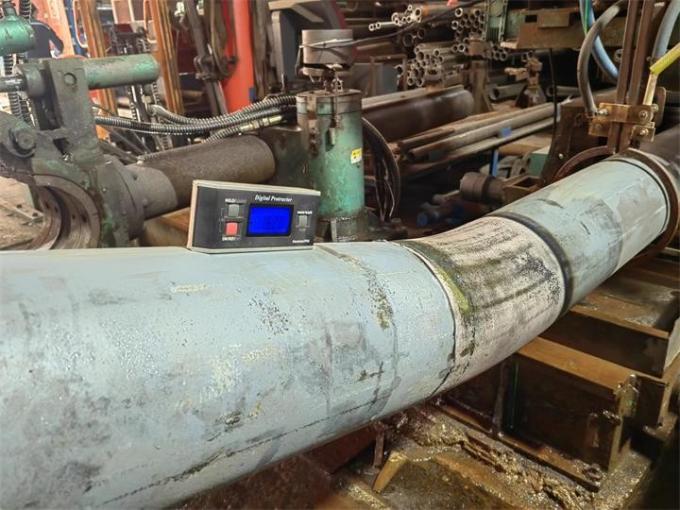
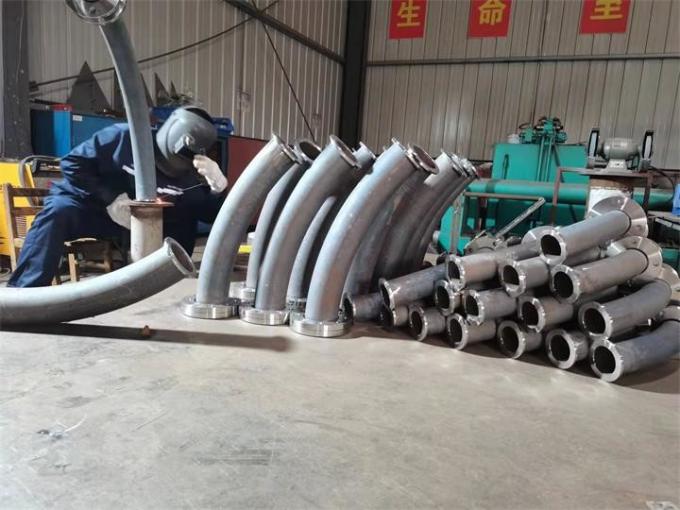
High-velocity ash discharge lines, gold mill tailings pipelines, and coal wash plant hydrocyclones experience extreme erosive wear, especially around elbows and reducers. Custom-made alumina ceramic lined pipes and patented anti-clogging elbows effectively absorb kinetic slurry impact, completely preventing catastrophic wall blowout and pipeline leakage.
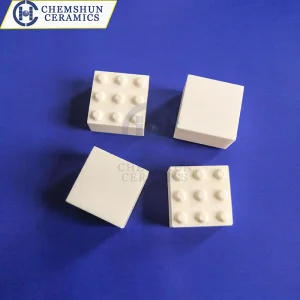
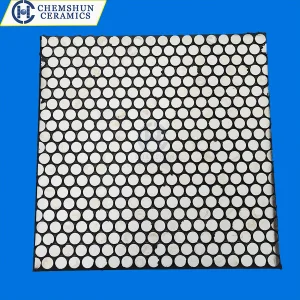
In port bulk handling and iron ore mining, severe pulley slippage causes excessive belt wear and drive efficiency loss. Chemshun alumina ceramic tiles embedded into elastic rubber mats dramatically raise friction coefficients (from 0.35 to 0.75+) even under wet or muddy conditions, preventing slippage and extending conveyor system uptime.
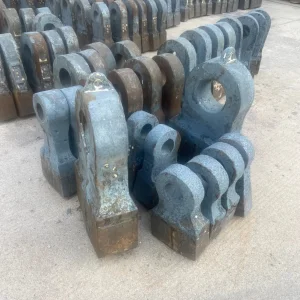
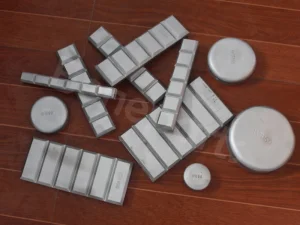
Quarry operations crushing hard granite, basalt, or limestone face continuous hammer replacement costs. Ceramic composite crusher hammer heads incorporate micro-grained ceramic matrix blocks within high-manganese or alloy steel bodies. This combination yields high edge sharpness retention without structural shattering.
Expert answers addressing shear strength, thermal shock limits, installation methodologies, and customized engineering parameters.
Steel-ceramic composites prevent fracture through a dual-mechanism approach. First, the ceramic phase (such as Zirconia-Toughened Alumina - ZTA) incorporates phase-transformation toughening; under stress, metastable tetragonal zirconia particles transform into monoclinic phase, expanding volume and creating localized compressive stress that stops micro-crack propagation. Second, the surrounding ductile steel matrix acts as a structural shock absorber, carrying high-energy tensile dynamic loads away from the embedded ceramic elements.
Standard ceramic-rubber-steel composite liners bonded with high-grade vulcanized rubber operate safely between -40°C and +120°C. For elevated temperature applications (such as hot clinker chutes or primary boiler ash hoppers up to 350°C or 800°C), our engineers replace the rubber substrate with high-temperature organic-inorganic silicone adhesives, direct stud-welding structures, or vacuum-brazed metal-ceramic assemblies.
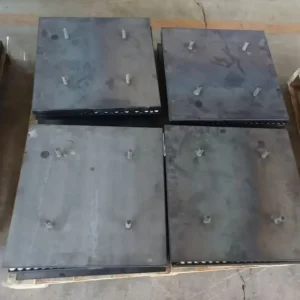
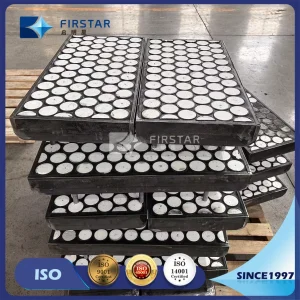
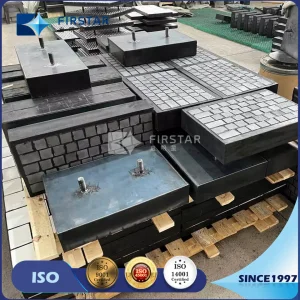
Steel-ceramic composite plates are designed for seamlessly straightforward installation identical to standard heavy steel plates. Unlike pure ceramic tiles that require delicate epoxy gluing, composite plates feature a structural steel backing plate that can be directly plug-welded, perimeter-welded, or bolted via pre-drilled countersunk holes to your existing equipment frame without damaging the hard ceramic matrix face.
To provide an accurate technical solution, our engineering team requires: (1) Process material type and particle size distribution, (2) Drop height and velocity of bulk media, (3) Equipment operating temperature and chemical exposure (pH level), and (4) Existing component dimensional CAD files or manual measurements. Our team will generate complete production drawings for confirmation prior to manufacture.
China offers an unrivaled industrial combination: localized access to 95%+ of global raw alumina/zirconia refining capacity, lower total energy processing costs, advanced automated bimetallic foundry technology, and rapid tooling turnaround times. This allows global clients to procure ISO-certified premium grade composites at 30% to 50% lower total procurement cost, backed by comprehensive lifecycle support and strict quality control.
Explore our full product portfolio tailored for mining, automotive, cutting, and severe material handling applications.
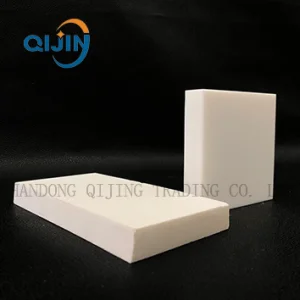
 Xingli Industrial Ceramics