Improving the long-term stability of wear-resistant lining systems is crucial for various industries, including mining and manufacturing. According to a recent report by the Wear Linings Institute, up to 70% of costly equipment failures stem from inadequate lining systems. These statistics highlight a pressing need for effective strategies in lining technology. Industry expert Dr. Jane Smith emphasizes, "Investing in high-quality wear-resistant linings can significantly extend the lifespan of machinery."
As industries face increasing wear and tear due to operational demands, companies must prioritize solutions that ensure durability. Many existing systems struggle with inconsistent performance, leading to unexpected downtime and repair costs. Effective measures, such as regular assessments and material upgrades, can address these challenges. While current practices may show some results, the variability in material selection often leaves room for improvement.
Therefore, it’s vital to adopt advanced techniques to improve long-term stability of wear-resistant lining systems. Continuous innovation and thorough evaluation of lining materials and application methods are essential. This proactive approach not only mitigates risks but also enhances overall operational efficiency. Companies should not overlook the importance of research and best practice implementation in this critical area.
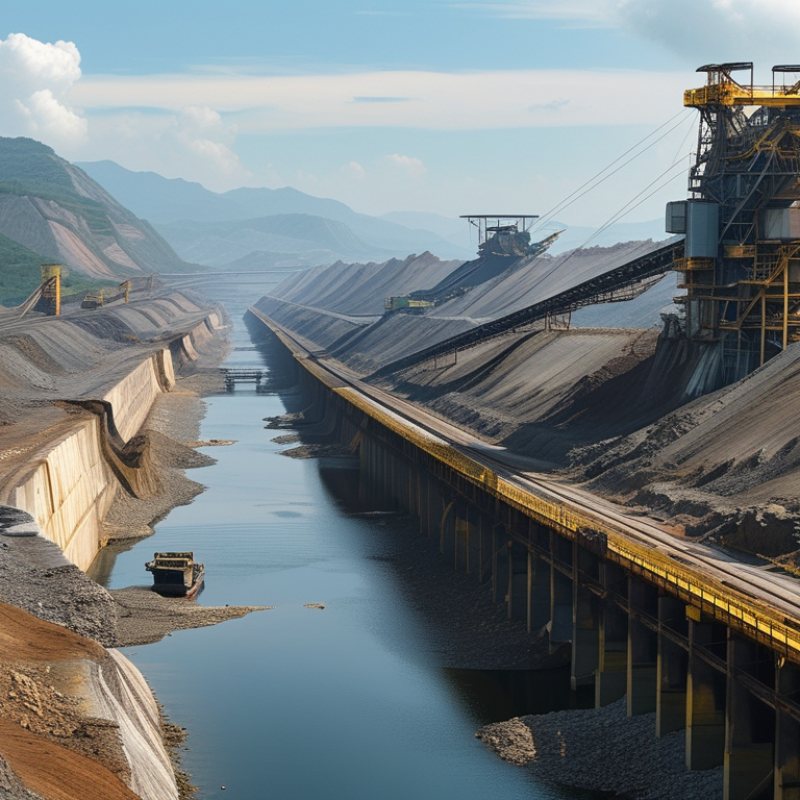
Understanding wear mechanisms in industrial linings is crucial for enhancing durability. Wear can be classified into various types: abrasive, adhesive, impact, and corrosive. Each mechanism influences the performance and lifespan of linings. A report from the Wear Institute indicates that abrasive wear accounts for about 40% of wear-related failures in mining equipment. Factors like material hardness and particle size distribution contribute significantly to this type of wear.
To mitigate wear, it’s essential to choose appropriate materials that resist specific wear mechanisms. For example, low alloy steels are often recommended for their toughness against impact wear. A study published in the Journal of Industrial Materials noted that linings made from advanced ceramics can extend service life by 30% in high-temperature applications. However, engineers must assess compatibility with existing systems to prevent unforeseen failures.
Sometimes, the chosen solutions may not yield expected results. Regular monitoring and proactive assessments can help identify problems early. Data from the Department of Energy shows that predictive maintenance can reduce costs by up to 25% in large-scale operations. Thus, understanding the wear mechanisms is not just about choosing the right materials; it's about continuous evaluation and adaptation to changing conditions.
: Wear mechanisms include abrasive, adhesive, impact, and corrosive types.
Abrasive wear accounts for around 40% of failures in mining equipment.
Low alloy steels are often recommended for their toughness against impact wear.
Linings made from advanced ceramics can extend service life by 30% in high-temperature applications.
Engineers may overlook compatibility with existing systems, leading to unforeseen failures.
Regular monitoring helps identify wear problems early, potentially saving costs.
Predictive maintenance can reduce operational costs by up to 25%.
Regular inspections can uncover early wear signs, extending service life by 30%.
Polymers offer flexibility but may not withstand high temperatures or heavy impacts.
Hard materials resist wear but can be brittle, leading to sudden failures; a balance is necessary.
To improve long-term stability of wear-resistant lining systems, it is essential to understand the various wear mechanisms that can affect industrial linings. By selecting appropriate materials tailored for specific environments, the wear resistance can be significantly enhanced. Furthermore, implementing proper installation techniques plays a crucial role in ensuring that linings achieve their maximum potential lifespan.
Routine maintenance strategies are also vital to extend the longevity of these linings. Regular monitoring and assessment of key metrics can help identify any wear-related issues early, allowing for timely interventions. By focusing on these aspects, industries can effectively improve long-term stability and performance of wear-resistant lining systems, ultimately leading to reduced downtime and increased operational efficiency.

 Xingli Industrial Ceramics