Ceramic Lined Rectangular Ducts play a crucial role in various industrial applications. According to a recent market report, the global ceramic duct market is expected to grow significantly, driven by increasing demand for efficient material handling systems. In many industries, these ducts are preferred for their durability and resistance to wear and corrosion.
However, proper use is vital for maximizing their benefits. Despite their advantages, many users fail to optimize their performance. A survey revealed that around 40% of users report issues related to installation and maintenance. This highlights the need for strategic guidelines when handling Ceramic Lined Rectangular Ducts. Understanding the nuances of their application can lead to improved operational efficiency.
In this context, exploring best practices becomes essential. Mistakes can lead to costly downtimes and repairs. Aligning the installation process with manufacturer specifications can mitigate these risks. As industries evolve, harnessing the full potential of Ceramic Lined Rectangular Ducts is imperative for success.
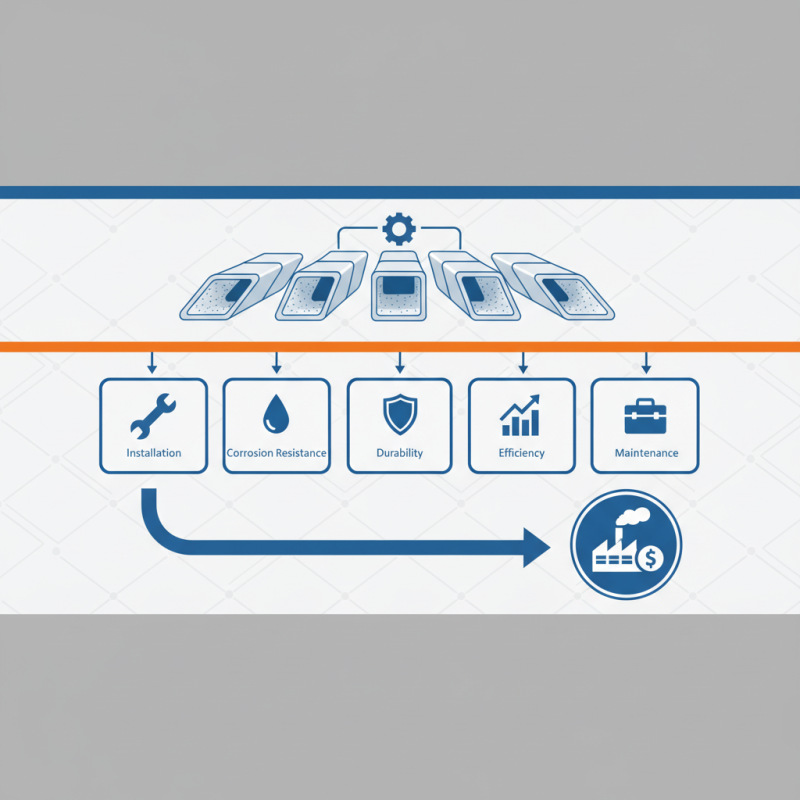
Ceramic lined rectangular ducts offer several advantages. They are highly durable and resistant to wear. This makes them ideal for transporting abrasive materials. Users often benefit from reduced maintenance costs due to their long lifespans. Unlike traditional ducts, they withstand high temperatures without degrading. This characteristic is crucial for certain industrial applications.
Another key benefit is their ability to improve air quality. The smooth ceramic surface minimizes dust buildup. This reduces the risk of contamination in sensitive environments. Additionally, these ducts can enhance airflow efficiency. Their design allows for better channeling of air, which can lead to energy savings.
Despite these benefits, some users encounter challenges. Installation can be complex and may require skilled labor. Not all facilities are equipped to handle these ducts. Careful planning is necessary to avoid costly mistakes. Overall, while ceramic lined ducts present clear advantages, they demand thoughtful consideration before implementation.
: They are durable, heat-resistant, and ideal for abrasive materials. They reduce maintenance costs due to long lifespans.
The smooth ceramic surface minimizes dust and contamination risks. This is crucial in sensitive environments.
Regular visual inspections are essential. Check for wear, cracks, and other issues every few months.
Yes, regular cleaning can increase efficiency by 20%. Use soft brushes or vacuums, avoiding harsh chemicals.
Installation can be complex. Proper alignment is critical to prevent airflow issues and leaks during setup.
Yes, their weight can complicate support structures. This is an important consideration during installation.
While the upfront cost is high, the long-term benefits like durability and efficiency should be considered.
Extreme heat can cause expansion and cracks. Consistent monitoring of operating conditions helps extend their life.
Some imperfections are normal, but excessive damage needs attention. Regular checks can help identify issues early.
Adopt a proactive maintenance approach, monitoring conditions regularly to avoid costly failures down the line.
Ceramic Lined Rectangular Ducts offer numerous benefits, including enhanced durability and resistance to wear, making them ideal for harsh environments. To maximize their efficiency, it is crucial to select the appropriate ceramic material tailored to your specific duct system requirements. Proper installation is essential—following best practices will ensure that these ducts perform optimally.
Additionally, regular maintenance is vital to extend the longevity of Ceramic Lined Rectangular Ducts. This includes routine inspections and necessary repairs to address any wear or damage. While users may encounter common challenges such as installation difficulties or material compatibility, proactive solutions can mitigate these issues, ensuring that the ducts continue to operate effectively and efficiently in the long term.

 Xingli Industrial Ceramics