Top Strategies to Reduce Operational Costs of Industrial Equipment?

Time:2026-08-13 Author:Isabella
0%

In today’s competitive industrial landscape, companies face the ongoing challenge of managing costs effectively. The need to reduce operational costs of high-wear industrial equipment is crucial. Each piece of equipment contributes to the bottom line. Maintenance and spare parts can become significant expenses if not addressed properly.

To successfully navigate this complex environment, businesses must leverage various strategies. These may include adopting advanced technologies or optimizing preventive maintenance schedules. The goal is always to extend the lifespan of machinery while minimizing costs. Smart decisions can yield substantial savings over time.

However, it’s not always easy to implement these changes. Many companies struggle with resistance to change or lack detailed data on equipment performance. Understanding these dynamics is essential for effective cost reduction. By focusing on practical, actionable strategies, organizations can enhance their operational efficiency and reduce their financial burden.
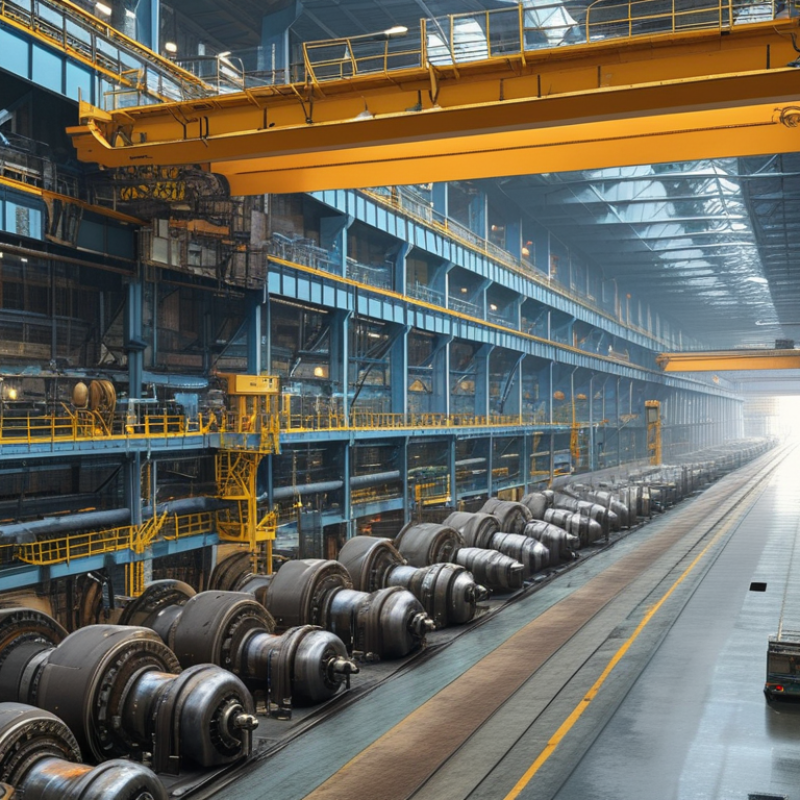
Top Strategies to Reduce Operational Costs of Industrial Equipment?

Identifying Major Sources of Operational Costs in Industrial Equipment

Understanding the major sources of operational costs in industrial equipment is crucial for improving efficiency. A report from the Manufacturing Institute indicates that equipment maintenance can account for up to 30% of operational expenses. Unplanned downtime due to equipment failures not only disrupts production but also leads to substantial financial losses. This highlights the need for regular maintenance schedules and timely repairs.

Energy consumption is another significant cost driver. According to the U.S. Department of Energy, industrial facilities can spend nearly $200 billion on energy each year. This means that optimizing energy usage can lead to considerable savings. Monitoring energy consumption patterns and investing in energy-efficient systems are effective strategies. Such measures not only reduce costs but also enhance sustainability.

Finally, labor costs often contribute to operational expenses. Automation and improved training programs can help reduce these costs. Even small inefficiencies in workforce allocation can lead to higher expenses. It’s vital to assess labor productivity regularly and implement training sessions that address specific skill gaps. Finding the right balance between automation and skilled labor can significantly impact overall cost management.

Implementing Preventive Maintenance Practices to Lower Downtime

Implementing preventive maintenance practices is crucial for industrial equipment. Research shows that companies investing in these practices can reduce equipment downtime by up to 30%. This approach not only maximizes equipment lifespan but also enhances overall productivity. With better planning, you'll face fewer unexpected failures, allowing for smoother operations.

The cost implications are significant. According to a report from the U.S. Department of Energy, businesses can save between 12% to 18% of maintenance costs through effective preventive strategies. Regularly scheduled inspections can identify minor issues before they evolve into costly repairs. A simple replacement of a worn-out part can prevent a major equipment failure. Yet, many organizations still neglect this critical aspect of operations.

Tracking metrics related to maintenance can create valuable insights. An industry survey revealed that only 50% of companies effectively monitor equipment performance. This leaves a gap in potential savings. Embracing technology solutions, like predictive maintenance tools, can bridge this gap. The challenge lies not just in implementing a strategy, but also in maintaining a consistent approach. Reflecting on these practices can lead to lasting improvements in operational efficiency.

Top Strategies to Reduce Operational Costs of Industrial Equipment

Investing in Energy-Efficient Technologies for Cost Savings

Investing in energy-efficient technologies can lead to significant cost savings for industries. Upgrading to high-efficiency motors is a smart move. These motors consume less energy and lower electricity bills. With advancements in technology, they are now more reliable and often have longer life spans.

Tips: Regular maintenance of machinery is crucial. Even energy-efficient equipment can suffer if neglected. Schedule routine checks to ensure optimal performance. It may also be time to evaluate the current energy management system. An integrated system can identify inefficiencies and suggest improvements.

Switching to LED lighting in industrial settings might seem minor. However, the difference is notable. LEDs use less energy and have a longer operational life than traditional bulbs. This switch reduces both energy costs and replacement needs.

Reflecting on current practices is essential. Are employees trained to use equipment efficiently? Sometimes, human error can offset all technological advancements. Effective training ensures that all gains from new technology are maximized.

Leveraging Predictive Analytics for Optimal Equipment Management

Predictive analytics is a game-changer in managing industrial equipment costs. By analyzing data trends, companies can anticipate equipment failures before they occur. According to a recent report by McKinsey, predictive maintenance can reduce maintenance costs by up to 30% and decrease equipment downtime by 50%. This proactive approach ensures machinery operates at peak efficiency, minimizing unexpected expenses.

Companies can leverage sensor data to gather real-time insights. Machine learning algorithms can identify patterns, leading to better forecasting of equipment life cycles. This method not only optimizes usage but also helps in inventory management. For instance, manufacturers utilizing predictive analytics reported an average rise of 20% in overall operational efficiency. However, integrating these technologies often requires upfront investment and training, which can be daunting.

Data reliability is critical in the predictive analytics space. Organizations must ensure data integrity, as faulty data can lead to misguided forecasts. A study by Deloitte emphasized that 23% of firms faced challenges due to inaccurate data. It's essential for teams to continually reassess their analytical models for effectiveness. This highlights the importance of a culture of data literacy within organizations to fully utilize predictive analytics.

Top Strategies to Reduce Operational Costs of Industrial Equipment - Leveraging Predictive Analytics for Optimal Equipment Management

Strategy Description Benefits Estimated Savings (%)
Predictive Maintenance Using data analytics to predict equipment failures before they occur. Minimized downtime, reduced repair costs. 15-20%
Energy Management Monitoring and optimizing energy consumption of equipment. Lower energy bills, enhanced sustainability. 10-12%
Root Cause Analysis Identifying the underlying causes of equipment failures. Improved reliability, decreased maintenance costs. 5-10%
Inventory Optimization Using data to maintain optimal levels of spare parts. Lower holding costs, reduced stockouts. 8-15%
Training and Skill Development Upgrading staff skills to handle equipment more effectively. Enhanced efficiency, reduced operational errors. 4-6%

Training Workforce on Best Practices to Enhance Equipment Longevity

Training your workforce on best practices is essential for enhancing the longevity of industrial equipment. A knowledgeable team can minimize errors and reduce operational costs. Educating employees about equipment maintenance ensures they understand how to use it effectively. This reduces wear and tear, leading to longer-lasting machines.


Tips: Encourage regular training sessions. Set up a calendar for refresher courses. Utilize hands-on demonstrations to reinforce learning. Festering a culture of continuous improvement can result in significant cost savings.


Understand that ongoing training can be a challenge. Not every worker may be engaged or interested. However, fostering a positive learning environment can make a difference. It’s vital to address any resistance and make training relevant to daily tasks. Regular feedback can help improve the training process.


Invest in resources that support learning. Use manuals, videos, and workshops to diversify the training approach. Encourage teamwork and communication around equipment handling. When workers collaborate, they often discover better practices. Their insights can lead to innovative ways to extend equipment lifespan.

FAQS

: What are the main sources of operational costs in industrial equipment?

: Major sources include equipment maintenance, energy consumption, and labor costs. Regular maintenance is crucial.

How much can equipment maintenance impact operational expenses?

Equipment maintenance can account for up to 30% of operational expenses. Neglecting it leads to higher costs.

Why is energy consumption a significant cost driver?

Industrial facilities spend nearly $200 billion on energy annually. Optimizing energy can lead to considerable cost savings.

How does predictive analytics benefit equipment management?

Predictive analytics can reduce maintenance costs by 30% and decrease downtime by 50%. This boosts efficiency significantly.

What challenges are associated with using predictive analytics?

Data reliability is crucial; 23% of firms face issues due to inaccurate data. Teams must focus on data integrity.

How can organizations ensure effective workforce training?

Regular training sessions and hands-on demonstrations are essential. A positive learning environment fosters better practices.

What is a potential challenge with ongoing employee training?

Not all employees may be engaged in training initiatives. Finding ways to make training relevant is vital.

What resources can support workforce training?

Utilize manuals, videos, and workshops to diversify training methods. Teamwork encourages collaboration and innovative practices.

How can companies foster a culture of continuous improvement?

Encourage regular feedback and make training relevant to daily tasks. Engage employees to enhance their training experience.

What should companies assess regularly to manage costs effectively?

Companies need to assess labor productivity and identify skill gaps. This helps in optimizing workforce allocation.

Conclusion

To effectively reduce operational costs of high-wear industrial equipment, organizations must first identify the major sources contributing to these expenses. This involves analyzing factors such as wear and tear, energy consumption, and maintenance frequency. Implementing preventive maintenance practices can significantly lower downtime, ensuring that equipment operates efficiently for longer periods.

Investing in energy-efficient technologies not only leads to immediate cost savings but also enhances the sustainability of operations. Furthermore, leveraging predictive analytics allows companies to manage their equipment more effectively, anticipating issues before they become costly problems. Finally, training the workforce on best practices is essential for promoting equipment longevity, ultimately contributing to reduced operational costs and improved productivity overall.

Isabella

Isabella

Isabella is a dedicated marketing professional with a sharp focus on driving brand growth and engagement through strategic content creation. With an extensive background in digital marketing, she combines her passion for storytelling with her keen understanding of industry trends to deliver......