At the upcoming 2026 Canton Fair, the spotlight will shine on "Steel Mill Wear Protection" solutions. This event, scheduled from April 15 to May 5, will gather industry leaders in advanced manufacturing and new materials. An expert in the field, Dr. Emily Chen, once stated, “Proper wear protection can significantly extend the lifespan of steel mill equipment.” Her insight highlights the importance of innovation in this sector.
The fair will introduce advanced AI-driven search and navigation tools. These tools will help buyers find suppliers with specific qualifications like ISO and CE certifications quickly. In a vast exhibition space of over 1.5 million square meters, this technology boosts efficiency and aids in decision-making. However, despite these advancements, many companies may still struggle to keep pace with evolving wear protection technologies.
Attendees should reflect on their strategies in wear protection. With the right solutions, they can optimize maintenance and reduce downtime. However, there is a need to address the gap between current practices and ideal solutions. As the fair approaches, the industry must focus on innovation and collaboration to meet the demands of steel mill wear protection effectively.
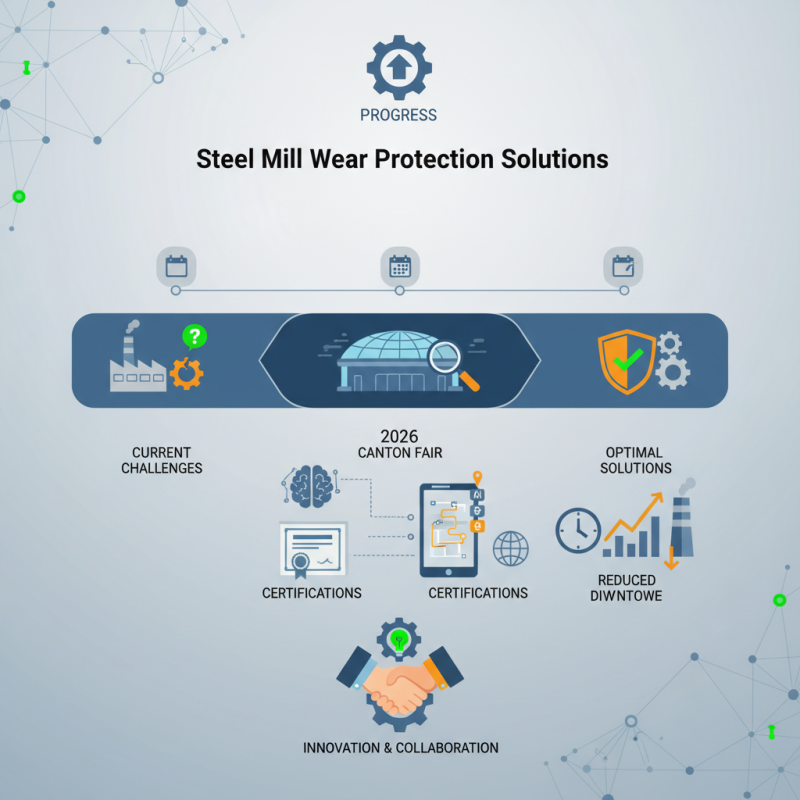
Steel mills face severe wear challenges. Equipment like rollers, conveyor belts, and furnaces often suffer damage. These issues can lead to downtime and increased costs. According to industry reports, wear-related expenses can account for up to 10% of operational budgets.
Steel Mill Wear Protection Solutions aim to reduce these costs. Common methods include using high-performance coatings and reinforced materials. These solutions enhance equipment lifespan. For instance, implementing wear-resistant linings can prolong the life of critical components. This is crucial as increased efficiency directly impacts profitability.
Tip: Regular inspections can identify wear early. Taking preventive measures saves money in the long run. Investing in protective technologies is essential. It’s not just about avoiding wear; it’s about ensuring smooth operations. Remember, neglecting maintenance can lead to larger issues down the line. Adaptation is key in this evolving industry.
The 2026 Canton Fair promises to showcase groundbreaking wear protection technologies for steel mills. These innovations aim to tackle the persistent challenges of wear and tear that affect operational efficiency. Manufacturers are developing advanced materials that enhance durability and extend the lifespan of critical components.
One notable area of focus is the use of composite coatings. These coatings combine different materials to achieve superior resistance against abrasion and corrosion. They provide a protective layer that can withstand extreme conditions, reducing downtime for repairs and maintenance. However, some solutions still require further refinement. Striking the right balance between cost and performance remains a challenge.
Additionally, monitoring technology is gaining traction. Sensors and data analytics help predict wear patterns, allowing for proactive maintenance. This approach can potentially minimize disruptions. Yet, the integration of such technologies isn't always seamless. Many mills still face hurdles in the implementation phase. Bridging the gap between innovation and practicality requires ongoing effort and introspection.
Wear protection solutions are critical in steel production. Manufacturing steel involves intense friction and heat. This can lead to equipment wear and costly downtime. According to a report by Lucintel, wear-related issues can account for nearly 30% of maintenance costs in steel mills. Implementing effective wear protection can significantly reduce these expenses.
The benefits of these solutions are multifaceted. They enhance equipment lifespan and improve overall efficiency. In addition, reduced wear leads to fewer replacements and maintenance interventions. A study by McKinsey indicates that optimizing wear protection can boost production efficiency by up to 15%. This is crucial in a demanding industry where every percentage point counts.
Tips: Regularly assess your wear protection strategies. Consider materials that offer better resistance to corrosion and abrasion. Engage with experts to evaluate the latest technologies. Continuous improvement is essential. Making small adjustments can lead to significant long-term gains. Focus on preventive measures to combat wear in your production line.
In the steel mill industry, wear management poses significant challenges. With severe operating conditions, components are subjected to high abrasion and corrosion. A recent report highlights that up to 30% of maintenance costs are attributed to wear-related issues. This reveals a critical need for effective solutions.
Understanding wear patterns is crucial. For example, areas like conveyor belts and chutes are often exposed to constant frictions. This can lead to unexpected downtime and increased repair expenses. A study found that wear parts could fail up to five times faster without proper protection. Steel manufacturers must address this reality to improve operational efficiency.
Innovative wear protection solutions are emerging. However, many mills struggle to implement them effectively. The complexity of operations and lack of training can hinder success. Regular audits and tailored solutions are essential. Data suggests that a 10% reduction in wear can enhance overall productivity significantly. Yet, many mills are not prioritizing this area. Identifying and rectifying these gaps is the key to sustaining operations in competitive markets.
The steel industry is evolving rapidly. At the 2026 Canton Fair, experts will showcase the latest wear protection solutions. Increasing durability and efficiency is a key focus. According to recent industry reports, wear costs can exceed 30% of maintenance budgets. This trend highlights the need for innovative materials and technologies.
New research suggests that advanced coatings could reduce wear rates by up to 50%. These solutions often involve composites and nanomaterials. Trade fairs allow companies to explore options and network with specialists. Professionals can learn about emerging techniques to extend equipment life.
Tip: Always evaluate the long-term cost savings of wear protection solutions. Invest in training programs to ensure staff understand the latest technologies. This knowledge leads to better decision-making.
The future may also see more sustainable options in wear protection. Engineers are pushing for eco-friendly materials. However, initial costs may deter some companies. It’s vital to balance short-term expenses with long-term benefits. Engage with peers at trade fairs to share insights and experiences.
: Steel mills face wear issues with equipment like rollers and conveyor belts. Damage leads to costly downtime.
Wear-related costs may account for up to 10% of operational budgets, affecting overall profitability.
High-performance coatings and reinforced materials can enhance equipment lifespan and reduce wear.
Regular inspections help identify wear early, allowing for preventive actions that save money and time.
Composite coatings combine materials for superior abrasion and corrosion resistance, extending component life.
Sensors and data analytics predict wear patterns, enabling proactive maintenance and minimizing disruptions.
Yes, integrating monitoring technologies can face hurdles, requiring effort and reflection for successful adoption.
Wear-related issues may constitute nearly 30% of maintenance costs in steel production.
Effective wear protection can boost production efficiency by up to 15%, crucial for meeting industry demands.
Regular assessment of materials and strategies is essential to ensure effective resistance against wear and tear.
The article titled "Steel Mill Wear Protection Solutions at 2026 Canton Fair" provides a comprehensive overview of the innovations and strategies associated with Steel Mill Wear Protection. It discusses the latest advancements in wear protection technologies that significantly enhance the durability of equipment used in steel production. Implementing these solutions yields numerous benefits, including reduced maintenance costs and increased operational efficiency.
However, the article also addresses the challenges that steel mill operations face in managing wear effectively. As the industry evolves, it highlights future trends expected in Steel Mill Wear Protection, particularly as they will be showcased at trade fairs like the Canton Fair. This forward-looking perspective reveals the importance of continued innovation and the role of trade events in disseminating knowledge about wear management solutions within the steel production sector.

Xingli Industrial Ceramics