In today's competitive landscape, manufacturers prioritize efficiency and cost management. High-wear industrial equipment is essential for production but incurs significant expenses. To thrive, it is crucial to reduce operational costs of high-wear industrial equipment.
These costs arise from maintenance, repairs, and replacements, impacting overall profitability. By implementing strategic measures, businesses can lower these expenses and improve their bottom line. For example, leveraging predictive maintenance can help prevent unexpected breakdowns and extend equipment lifespan.
Additionally, investing in training for staff can ensure better handling of equipment, minimizing wear and tear. Although not all strategies yield immediate results, reflecting on past practices can foster sustainable improvements. Adopting a proactive mindset is vital for guiding companies toward a more efficient future.
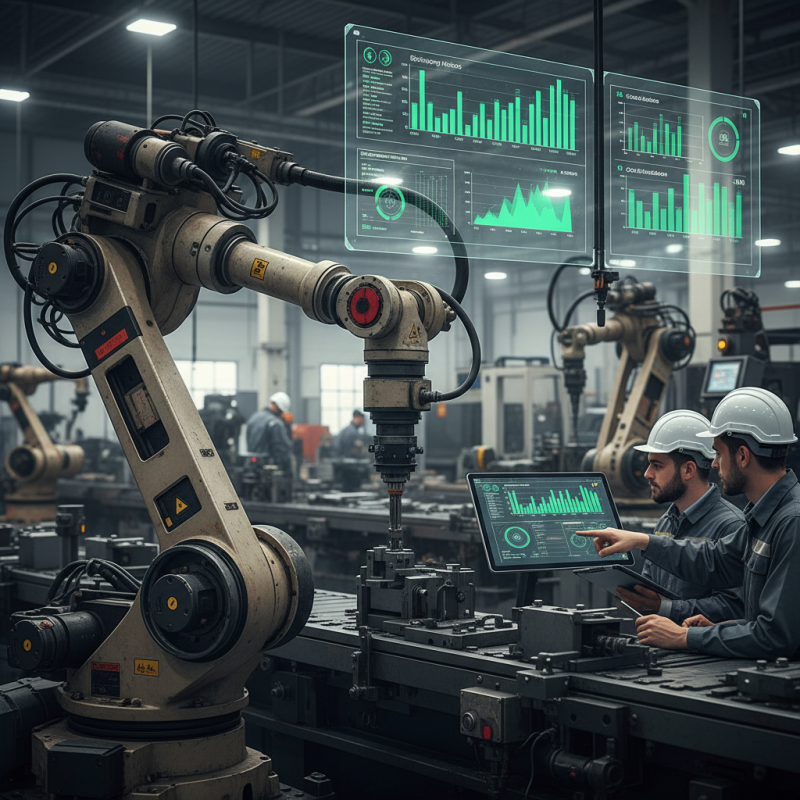
High wear equipment significantly impacts operational costs. When machinery frequently requires repairs, productivity suffers. A breakdown means downtime, which leads to lost revenue. Maintaining these machines adds to labor costs and parts expenses. Each failure shakes confidence in the reliability of the equipment.
Furthermore, inefficient machinery consumes more energy. This increased consumption raises utility costs, adding to the overall financial burden. Operators should assess wear patterns regularly to identify issues before they escalate. Making these evaluations can prevent costly repairs. It is crucial to adapt maintenance schedules based on the actual condition rather than a fixed timeline.
High wear equipment demands attention. Unchecked damage leads to cascading failures that affect the entire operation. Embracing a proactive maintenance strategy helps mitigate risks. Addressing wear early on can reduce financial strain. Balancing immediate repair needs with long-term strategies is essential for sustainability.
High wear equipment can lead to significant expense in various industries. Identifying these areas is crucial for effective cost management. Research indicates that maintenance costs can consume up to 40% of a facility's operational budget. This statistic underscores the importance of focusing on high wear components to trim these costs.
Components like bearings and gears often require frequent replacement. These parts typically wear out faster due to heavy load and friction. According to industry reports, inefficient wear can lead to unplanned downtime. Unplanned events can lead to expenses that balloon by 20% for each hour of disruption. Many organizations overlook these hidden costs.
Regular monitoring offers a solution. It helps identify wear patterns, leading to timely repairs. Data analytics can reveal trends in equipment performance. When teams utilize this data, they can allocate resources more efficiently. Industry experts stress that investing in predictive maintenance pays off in the long run. Reducing wear-related expenses can enhance overall productivity and sustainability.
Reducing operational costs in high wear equipment is critical for businesses seeking efficiency and longevity. High wear equipment often incurs significant maintenance expenses and downtime. Implementing effective strategies can mitigate these costs while enhancing productivity and reliability.
One actionable tip is to schedule regular maintenance checks. This proactive approach can identify wear and tear early, preventing larger issues. Establishing a maintenance log helps track the performance and condition of equipment over time. By doing this, teams can allocate resources wisely and avoid unexpected breakdowns.
Another strategy is to invest in employee training. Educated personnel can operate machinery with greater care, leading to longer equipment life. Training programs should cover best practices, safety protocols, and troubleshooting techniques. When employees take ownership of their equipment, the overall efficiency increases.
Finally, consider using technology for monitoring performance. IoT sensors can provide real-time data on equipment usage and condition. This information allows for informed decisions regarding repairs and replacements. Adopting technology can seem daunting, but it pays off by reducing unforeseen downtime.
Incorporating these strategies can make a substantial difference. Reflecting on current practices is important. Are there areas where efficiency can be enhanced? Small changes can lead to significant savings.
Minimizing costs for high wear equipment maintenance can yield significant benefits for businesses. High wear equipment often requires extensive care and frequent replacements. By reducing operational costs, companies can allocate resources more effectively. This shift not only enhances financial health but also fosters innovation. When maintenance costs are streamlined, funds become available for new technology or employee training.
Regular assessments of equipment performance can identify wear patterns early. This proactive approach minimizes unexpected breakdowns. It allows teams to plan maintenance schedules without hasty, costly repairs. Analyzing data from machinery can lead to smarter decisions. Yet, it's important not to overlook the human element. Employees need training to understand new equipment and protocols. Otherwise, the benefits of cost reduction may not be fully realized.
Investing time in maintenance processes can unveil opportunities to improve efficiency. However, businesses may struggle with outdated practices. Relying solely on traditional methods can hinder progress. Embracing a culture of continuous improvement can transform operations. Fostering open communication about challenges can drive positive change. This holistic approach ensures that minimizing costs does not compromise equipment reliability.
| Parameter | Current Cost | Projected Cost After Reduction | Potential Savings | Benefits of Cost Reduction |
|---|---|---|---|---|
| Maintenance Labor | $50,000 | $35,000 | $15,000 | Reduced downtime and higher productivity |
| Replacement Parts | $25,000 | $15,000 | $10,000 | Longer equipment lifespan |
| Energy Consumption | $10,000 | $7,000 | $3,000 | Lower operational expenses |
| Training & Development | $15,000 | $10,000 | $5,000 | Increased staff efficiency |
| Total Costs | $100,000 | $67,000 | $33,000 | Enhanced profitability and sustainability |
Reducing operational costs for high wear equipment can lead to significant long-term financial benefits. When organizations focus on efficiency, they often find hidden expenses. These savings compound over time, improving the bottom line.
Older equipment often needs frequent maintenance and repairs. By investing in reliable, high-quality machines, companies can reduce unexpected breakdowns. Think about how much time and money is lost during equipment downtime. This not only impacts profits but also employee morale. A more stable operation fosters a productive work environment.
Cost reduction initiatives should be assessed regularly. Are current practices yielding desired results? Continuous improvement can seem challenging. It's crucial to track performance and revisit strategies. Even small adjustments in operational processes can yield substantial savings over time. Every effort counts, and sometimes, reflection reveals profitable opportunities.
: High wear equipment raises operational costs due to frequent repairs and downtime. It affects productivity and revenue.
A breakdown causes a halt in operations. Every hour of downtime increases expenses and reduces income by about 20%.
Regular assessments help identify wear patterns. This can prevent costly repairs and minimize unexpected failures.
A proactive maintenance strategy is best. Focus on the actual condition of machines instead of fixed schedules.
Bearings and gears are common wear components. They often fail due to heavy load and friction impacts.
It allows for timely repairs based on data. Investing in this approach can reduce wear-related costs over time.
Unchecked damage can lead to cascading failures. This negatively affects the entire operation and leads to financial strain.
Operators should focus on high wear components. Identifying these areas is crucial for controlling maintenance expenses.
Inefficient machinery consumes more energy. This increases utility costs, adding to overall financial burdens.
Many organizations overlook hidden costs of wear. They might not realize how wear leads to unplanned downtime and expenses.
Reducing operational costs of high-wear industrial equipment is crucial for optimizing overall efficiency and profitability. High wear equipment significantly impacts operational costs through increased maintenance expenses and downtime. Identifying key areas where these costs arise, such as frequent repairs or replacements, is essential for developing effective strategies.
Implementing proactive maintenance, investing in quality components, and utilizing advanced monitoring technologies can greatly help in minimizing these expenses. The benefits extend beyond immediate cost savings, as a focus on reducing operational costs can lead to long-term financial gains and improved equipment longevity. By prioritizing cost reduction initiatives, organizations can enhance their competitive edge while ensuring sustainable operations.

Xingli Industrial Ceramics