Industrial waste disposal poses significant challenges. The proper management of industrial wear materials is crucial. According to Dr. Lisa Chang, an expert in environmental engineering, "We must strive to reduce the environmental impact of industrial wear material disposal by implementing innovative recycling methods."
Many industries generate wear materials that often end up in landfills. This disposal method harms ecosystems and contaminates soil and water. Reducing the environmental impact of industrial wear material disposal can mitigate these risks. It requires collaboration between engineers, policymakers, and businesses.
Addressing this issue isn't straightforward. Industries must rethink their processes. Often, the focus is on cost-cutting rather than sustainability. This mindset needs a shift. Exploring effective waste management strategies is necessary. Such strategies can lead to significant improvements in ecosystems and public health.
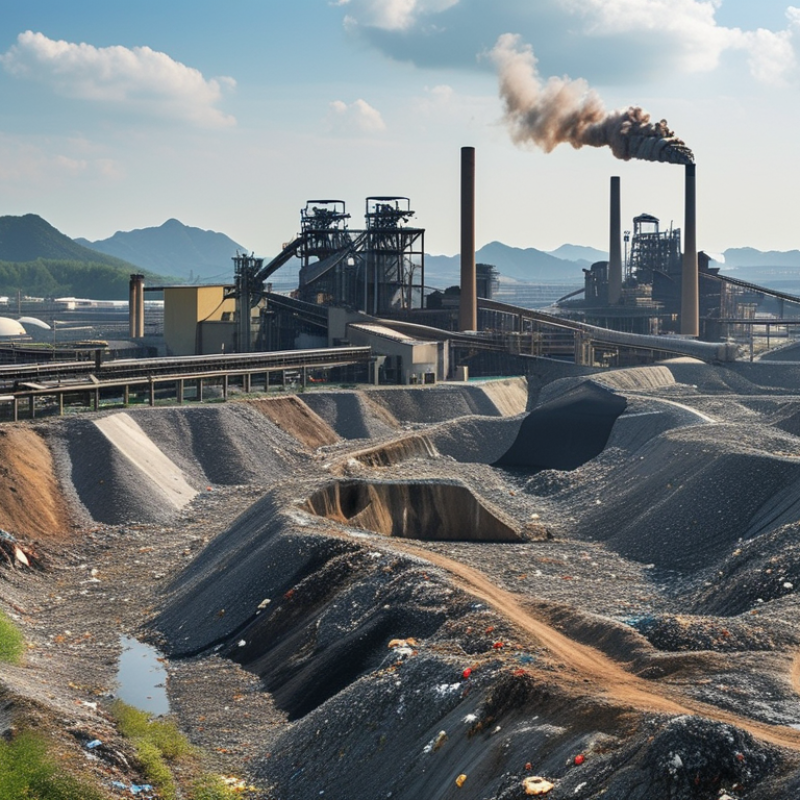
Industrial waste generation poses significant challenges for the environment. To address this, companies must adopt effective strategies that minimize waste at the source. One method is redesigning products to use fewer materials. By employing sustainable materials, businesses can reduce waste generation right from the initial design phase. For instance, implementing modular designs allows for easier repairs and upgrades, which can extend product lifespan.
Another essential strategy is optimizing production processes. Companies can conduct audits to identify wasteful practices. Lean manufacturing techniques focus on efficiency, reducing scrap and optimizing resource use. Implementing recycling programs within facilities also encourages waste reduction. Employees can be trained on proper recycling techniques, fostering a culture of sustainability.
Despite these efforts, challenges remain. Some companies struggle to balance cost and sustainability. Investment in eco-friendly technologies may seem daunting. However, reflecting on long-term benefits can shift this mindset. Innovation can drive down operational costs while promoting environmental responsibility. A commitment to reduce industrial waste is not just beneficial; it is a necessary step toward a sustainable future.
Sustainable waste disposal in industries is crucial for reducing environmental impact. The first step is to evaluate the waste generated. Every industry produces different types of waste, from hazardous materials to organic matter. Understanding these categories helps in selecting appropriate disposal methods.
One effective practice is implementing a waste hierarchy. This includes reducing, reusing, and recycling materials before disposal. For example, companies can find innovative ways to reuse byproducts. Some industries have successfully transformed waste into energy or raw materials. This creates a closed-loop system that minimizes waste.
Employee training also plays a vital role. Staff must understand the importance of sustainable practices. Regular workshops can educate workers about proper waste segregation and the benefits of eco-friendly practices. Yet, adopting these practices is not always straightforward. Businesses might struggle with initial costs or resource constraints, requiring a more thoughtful approach to transition effectively.
Innovative technologies are transforming how industries handle waste disposal. Advanced recycling techniques are emerging, addressing environmental concerns. For instance, pyrolysis breaks down plastics into oil, reducing landfill contributions. This method also generates energy, showcasing a dual benefit.
Another noteworthy innovation is bioremediation. It utilizes microorganisms to detoxify hazardous waste. This technology effectively cleans contaminated soil and water. However, its efficiency depends on environmental conditions, which can vary widely. Researchers are still exploring optimal methods for diverse waste types.
Moreover, the process of upcycling offers a creative angle. Instead of discarding materials, companies redesign them into valuable products. This reduces the need for new raw materials. Yet, the challenge lies in ensuring the process remains economically viable. The balance between cost and sustainability is a constant struggle.
The regulatory frameworks that govern environmental waste management play a critical role in mitigating the impact of industrial waste disposal. In recent years, stricter regulations have emerged globally. For example, the European Union's Waste Framework Directive sets ambitious recycling targets, aiming for at least 55% of waste to be recycled by 2025. Such regulations compel industries to adopt more sustainable waste management practices.
However, enforcement and compliance can be inconsistent. A report by the World Bank highlights that over 1.3 billion tons of waste are produced globally each year, and much of it still ends up in landfills. These gaps underline the need for continuous improvement and collaboration between governments and industries.
Tips: Advocate for transparency in waste reporting. Regular audits can help track compliance. Engage local communities in monitoring waste disposal practices, fostering collective responsibility.
The challenge lies in balancing economic growth and environmental stewardship. Industrial sectors must view waste management not just as a legal obligation, but as a critical aspect of their corporate social responsibility. To foster innovation, industries can seek incentives and grants for adopting greener technologies. This approach can transform waste from a liability into a valuable resource, driving both environmental and economic benefits.
Employee training plays a crucial role in minimizing the environmental impact of industrial waste disposal. When workers understand the importance of waste management, they become more responsible in their daily tasks. Training can equip employees with practical knowledge about waste segregation. This means knowing what materials can be recycled and which should be disposed of safely.
Awareness programs can engage employees in discussions about sustainability. Real-life scenarios can make these sessions more impactful. Organizing workshops can foster a culture of environmental responsibility. However, not all training may resonate. Some employees may overlook these sessions or find them uninteresting. It’s essential to gather feedback and adapt programs accordingly.
Encouraging a proactive approach can further enhance this initiative. Empower employees to suggest improvements in waste management practices. Incentives for innovative ideas can boost engagement. Making waste reduction a shared goal can strengthen teamwork. Continuous reflection on training effectiveness will pave the way for better strategies. The journey towards sustainable waste management is an evolving process that requires ongoing commitment and creativity.
| Training Program | Target Audience | Duration (Hours) | Frequency (per year) | Expected Impact (% Reduction in Waste) |
|---|---|---|---|---|
| Waste Segregation | All Employees | 2 | 4 | 20% |
| Sustainable Practices | Managers | 3 | 2 | 15% |
| Recycling Methods | Production Teams | 4 | 3 | 30% |
| Environmental Compliance | All Employees | 1.5 | 6 | 25% |
| Waste Minimization Strategies | Tech Staff | 2.5 | 2 | 10% |
: Evaluating waste helps identify different types of waste generated, crucial for selecting disposal methods.
The waste hierarchy encourages reducing, reusing, and recycling materials before disposal. It's a systematic approach.
Industries can transform waste into energy or raw materials, creating a closed-loop system that minimizes waste.
Employee training helps staff understand sustainable practices, proper waste segregation, and eco-friendly benefits.
Initial costs and resource constraints can hinder businesses from implementing sustainable waste management effectively.
Stricter regulations compel industries to adopt sustainable practices, but enforcement can be inconsistent and challenging.
Engaging local communities fosters collective responsibility and helps monitor waste disposal practices more effectively.
Transparency allows for better tracking of compliance and encourages industries to improve their waste management efforts.
Industries should view waste management as a corporate responsibility and seek incentives for adopting greener technologies.
Industries might need a more thoughtful approach and support to transition effectively and overcome challenges.
To reduce the environmental impact of industrial waste material disposal, industries can implement a variety of strategies aimed at minimizing waste generation. These strategies include enhancing production processes to create less waste and adopting best practices for sustainable waste disposal, such as segregation and proper treatment of hazardous materials. Innovative recycling technologies can further transform waste into valuable resources, reducing the need for disposal and decreasing the overall environmental footprint.
Moreover, a robust regulatory framework is essential for guiding industries towards better waste management practices. Compliance with environmental regulations helps companies to align their operations with sustainability goals. Additionally, employee training and awareness programs play a crucial role in fostering a culture of responsibility, equipping staff with the knowledge to actively participate in minimizing waste impact. By integrating these approaches, organizations can significantly reduce their environmental impact and contribute to a more sustainable future.
Xingli Industrial Ceramics