Optimize Steel Ceramic Composite Materials for Enhanced Durability?

Time:2026-06-19 Author:Charlotte
0%

The optimization of surface treatments for steel-ceramic composite materials is crucial for enhancing their durability. According to a report by Grand View Research, the global market for advanced composite materials is projected to reach $86 billion by 2025, highlighting the importance of innovation in this sector. Experts agree that improving surface properties can significantly extend the lifespan of these materials.

Dr. Emily Chen, a leading expert in composite materials, emphasizes, "To optimize surface treatment of steel-ceramic composite materials, we must focus on both adhesion and resistance to wear." Her insights underline the necessity for precise techniques that enhance material performance. As industries shift toward more sustainable solutions, the need for optimized treatments becomes even more critical.

Despite advancements, challenges remain. Achieving uniform coating thicknesses can be difficult. Moreover, the interaction between steel and ceramic surfaces presents unique issues. These factors require continuous research and testing. The urgency for optimized solutions is evident, yet there is room for improvement and innovation.
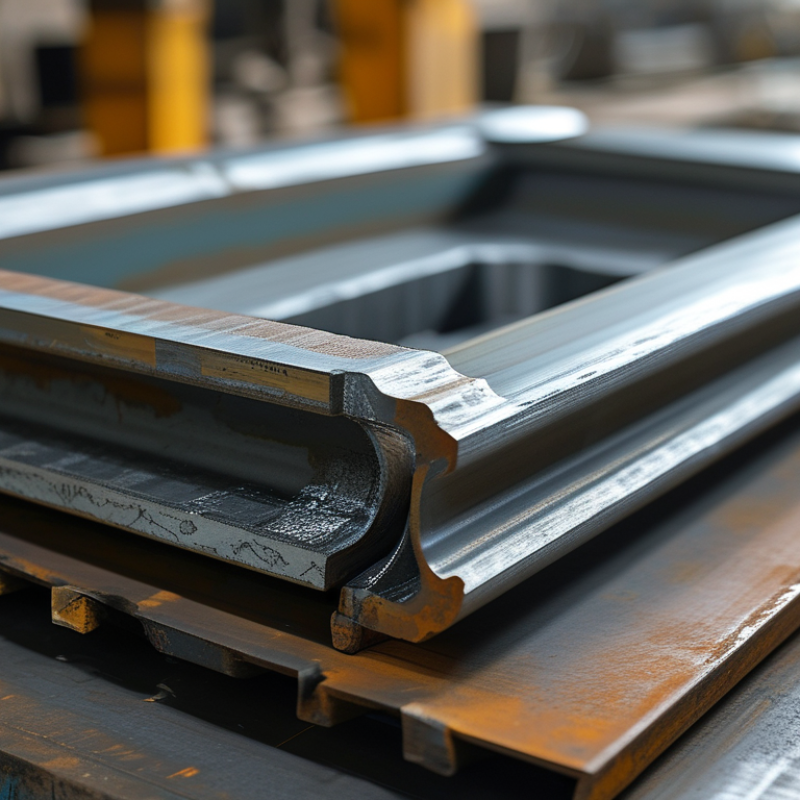
Optimize Steel Ceramic Composite Materials for Enhanced Durability?

Understanding Steel Ceramic Composite Materials

Steel ceramic composite materials are gaining traction in engineering applications. These materials combine the toughness of steel with the hardness of ceramics. This unique combination results in enhanced durability and resistance to wear. The fusion of these properties makes them ideal for demanding environments.

Understanding the microstructure is key. Steel offers strength, while ceramics provide high-temperature stability. However, the bonding between these two materials can be challenging. Poor adhesion may lead to delamination, which diminishes durability. Research is ongoing to optimize this bonding process. Adjusting composition and processing temperature may yield better results.

Testing these composites under real-world conditions is crucial. Effects of temperature and stress must be evaluated. Engineers must explore different applications, like tooling or structural components. Unique challenges arise when scaling up production. Careful consideration of material properties ensures reliability and performance. The field of steel ceramic composites holds promise but requires further investigation to unlock its full potential.

Performance Comparison of Steel Ceramic Composite Materials

This bar chart illustrates the durability of various steel ceramic composite materials measured in megapascals (MPa). Material C demonstrates the highest durability, suggesting it may be the most optimal option for applications requiring enhanced durability.

Key Properties Enhancing Durability in Composites

Optimizing steel ceramic composite materials can lead to significant improvements in durability. The combination of steel's tensile strength and the hardness of ceramics creates unique advantages for various applications. These materials often exhibit enhanced wear resistance, making them suitable for demanding environments. However, manufacturers must carefully balance the properties of both components to achieve optimal performance.

Key properties that enhance durability in composites include thermal stability and corrosion resistance. High-temperature applications particularly benefit from the thermal properties of ceramic materials. Their ability to perform under extreme conditions is crucial for industries like aerospace and automotive. On the other hand, various corrosion-resistant coatings can be applied to protect steel components in harsh environments. This dual approach maximizes performance but can lead to challenges in compatibility and processing methods.

Developing such composites also requires ongoing refinement. Sometimes, the combination may create unexpected issues, such as brittleness or difficult processing. Failure to address these problems can hinder the material's durability. Continuous testing and iteration are essential to refine these composites. Each adjustment should focus on enhancing specific properties without compromising overall performance. Achieving the perfect balance remains a complex, yet vital goal in the field of material science.

Methods for Optimizing Steel Ceramic Composite Production

Steel ceramic composite materials are increasingly used in various industries, thanks to their unique properties. The optimization of their production processes is critical for enhancing durability and performance. One effective method involves adjusting the ratios of steel to ceramic in the mix. This balance affects both mechanical strength and thermal resistance. Testing different proportions can lead to superior results.

Another important aspect is the sintering process. Temperature and duration during sintering significantly impact the material's final properties. It’s essential to experiment with different heating rates and cooling cycles. These adjustments can improve the bonding between steel and ceramic, leading to a more robust composite. However, this method requires careful monitoring. Uncontrolled sintering can result in undesirable defects.

Surface treatment techniques also play a role in optimizing these composite materials. Coating the composite with protective layers can enhance wear resistance. Various methods, such as plasma spraying and chemical vapor deposition, can be explored. Yet, each method has its challenges. The right choice depends on the intended application and cost considerations. Continued research and experimentation are vital for achieving the best outcomes.

Applications of Enhanced Steel Ceramic Composites

Steel ceramic composites are making waves in various industries. Their unique properties allow for enhanced durability in challenging environments. These materials are often used in aerospace, automotive, and manufacturing sectors. Their ability to withstand high temperatures and resist wear makes them invaluable.

In aerospace, for instance, steel ceramic composites are used in engine components. They offer the strength of steel with the thermal resistance of ceramics. This combination increases efficiency and reduces maintenance costs. In automotive applications, they help in creating lighter yet stronger parts, improving fuel efficiency.

**Tips:** When working with these composites, consider environmental factors. The composite's performance can be affected by temperature and humidity. Always test materials under real-world conditions before implementation. Keeping an eye on manufacturing techniques is crucial as well. The process can impact durability and consistency.

In manufacturing, the use of these composites is on the rise. Their applications include bearings and cutting tools. However, achieving the perfect balance between steel and ceramic can be tricky. It requires careful experimentation and precise formulation. Reflect on previous projects to identify areas of improvement. Each iteration paves the way for growth.

Future Trends in Composite Material Durability Research

The field of composite material durability research is evolving rapidly. Engineers and researchers are focusing on optimizing the performance of steel ceramic composite materials. These materials hold promise for various industries, from aerospace to construction. By enhancing their durability, we can extend the lifespan of critical components.

Recent studies suggest that the microstructure of these composites is key. Researchers are experimenting with varying compositions to find ideal blends. The goal is to improve wear resistance and thermal stability. Some combinations show potential, yet results can be inconsistent. The challenge lies in balancing properties without compromising other important factors. Additionally, cost-effectiveness remains a significant concern.

Future trends may lead to innovative testing methods, providing deeper insights. Such advancements could improve understanding of long-term performance under extreme conditions. Collaborative efforts between universities and industry leaders are essential. Sharing findings can accelerate progress. However, oversight in research approaches can lead to misinterpretations. Continuous reflection on methodologies will be crucial for meaningful advancements in composite material durability.

Optimize Steel Ceramic Composite Materials for Enhanced Durability

Property Steel Ceramic Composite Traditional Steel Potential Benefits
Tensile Strength (MPa) 800 600 Higher load-bearing capability
Hardness (HV) 1200 300 Improved wear resistance
Density (g/cm³) 7.5 7.8 Lighter weight option
Thermal Conductivity (W/mK) 30 50 Effective temperature management
Corrosion Resistance High Moderate Extended lifespan in harsh environments
Impact Resistance (J) 150 100 Better performance under dynamic loads

FAQS

: What are the key benefits of steel ceramic composites?

: They combine steel's strength with ceramic's hardness for enhanced durability and wear resistance.

In which industries are steel ceramic composites commonly used?

Aerospace, automotive, and manufacturing benefit from their unique properties.

How do these composites perform in high-temperature environments?

Ceramics provide thermal stability, allowing composites to withstand extreme conditions.

What challenges arise when combining steel and ceramics?

Issues like brittleness and processing difficulties can occur, impacting durability.

Why is continuous testing important in developing these composites?

Ongoing refinement helps address unexpected problems and improve performance.

How can manufacturing methods affect the performance of composites?

Techniques can influence durability and consistency, making careful attention necessary.

What role does corrosion resistance play in composite durability?

Coatings protect steel components, enhancing overall performance in harsh environments.

How does environmental variation impact composite usage?

Temperature and humidity can affect performance, so real-world testing is essential.

What considerations should be made during the formulation process?

Striking the right balance between components requires careful experimentation.

How can past projects inform future composite developments?

Reflecting on previous work can reveal areas for improvement in new iterations.

Conclusion

The article titled "Optimize Steel Ceramic Composite Materials for Enhanced Durability" delves into the unique properties of steel ceramic composites that contribute to their durability. It begins by explaining the fundamental characteristics of these materials, highlighting how their inherent properties play a pivotal role in their performance. The discussion then progresses to explore methods for optimizing surface treatment of steel-ceramic composite materials, which can significantly impact their resistance to wear and environmental stressors.

Additionally, the article covers the various applications of enhanced steel ceramic composites across different industries, showcasing their potential for improving operational efficiency and lifespan. Finally, it addresses emerging trends in research focused on further enhancing the durability of composite materials, underscoring the continual evolution toward more resilient and efficient solutions in material science.

Charlotte

Charlotte

Charlotte is a seasoned marketing professional with a deep understanding of the company's portfolio and a passion for elevating its presence in the market. With a keen eye for detail and a commitment to excellence, she ensures that our professional blog is regularly updated with insightful articles......