Top Ways to Optimize Production Efficiency of Steel Ceramic Parts?

Time:2026-07-03 Author:Isabella
0%

The steel-ceramic composite industry is rapidly evolving. Recent reports indicate a growing demand for these parts, driven by their unique properties. Steel-ceramic composites enhance strength while maintaining lightweight characteristics. Innovations in production methods are vital to meet this demand effectively.

To optimize production efficiency of steel-ceramic composite parts, companies must focus on automation and advanced manufacturing techniques. Research shows that automated processes can increase output by up to 30%. However, challenges remain. Many manufacturers still rely on traditional methods, which can be slow and costly. This creates an opportunity for companies willing to invest in modern technologies.

Industry experts suggest that training skilled workers is equally important. Effective integration of new technologies requires knowledgeable personnel who can adapt quickly. Moreover, as production methods become more complex, it is essential to maintain a balance between efficiency and quality. Reflecting on these challenges will help manufacturers refine their strategies and enhance overall productivity in this competitive market.
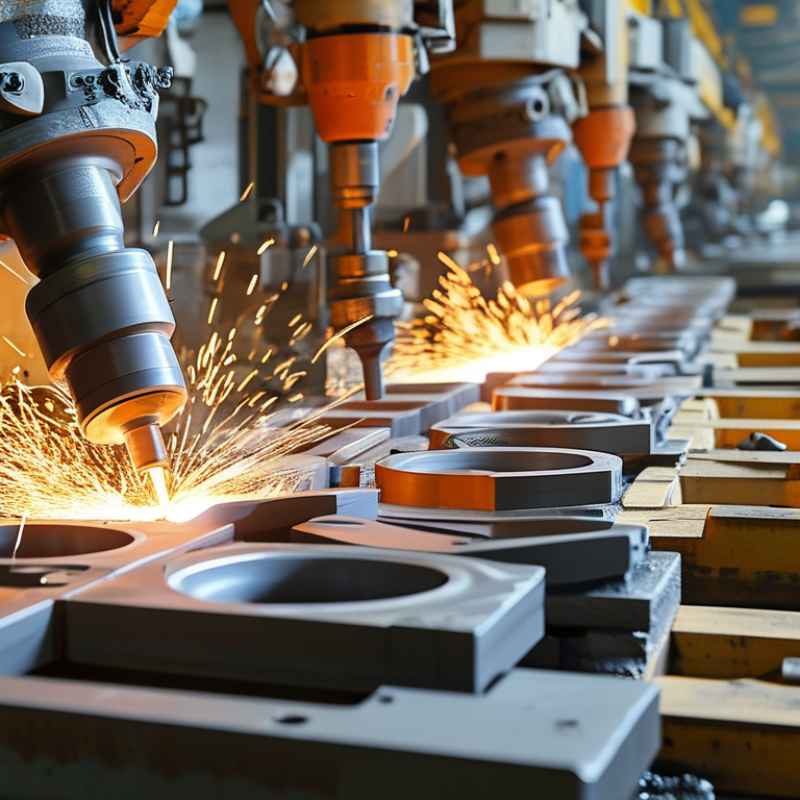
Top Ways to Optimize Production Efficiency of Steel Ceramic Parts?

Understanding the Importance of Production Efficiency in Steel Ceramic Parts

Understanding the production efficiency of steel ceramic parts is critical for manufacturers aiming to enhance competitiveness. Efficient production not only reduces costs but also improves product quality. Industry reports indicate that optimized processes can lead to efficiency gains of up to 30%. This is crucial in an industry where margins are often tight.

Tips: Evaluate your current workflows. Identify bottlenecks that cause delays. Streamlining these areas can lead to significant improvements.

The integration of advanced technologies plays a vital role. Automation and real-time data monitoring provide insights. Manufacturers adopting Industry 4.0 principles see up to 20% reductions in operational costs. However, integrating these technologies can be challenging. Many companies face resistance to change.

Tips: Train employees on new technologies. Encouraging a culture of continuous improvement can ease transitions. Small steps can lead to larger transformations.

In an environment where quality standards are paramount, regular assessment of production processes is essential. Continuous iteration based on performance data is necessary for sustained improvement. Optimizing production efficiency is not a one-time effort; it demands ongoing commitment.

Analyzing Current Production Methods: Challenges and Opportunities

The production of steel ceramic parts faces numerous challenges. Traditional methods often struggle with efficiency and consistency. Variability in raw materials can lead to defects. Even seasoned manufacturers find it hard to maintain quality over large volumes. Equipment calibration issues can disrupt the entire production line.

However, these challenges also present opportunities for innovation. Advanced technologies like additive manufacturing offer a glimmer of hope. By using 3D printing, companies can create complex geometries that were previously unattainable. This approach reduces waste and enhances design flexibility. Moreover, integrating real-time monitoring systems can provide immediate feedback. It allows for quick adjustments, ensuring that production stays on track.

Current trends show a push for sustainable practices in manufacturing. This focuses on reducing energy consumption and material waste. Manufacturers are experimenting with eco-friendly materials. Yet, such transitions require significant investment and retraining. Balancing efficiency with sustainability may not be easy, but it is essential for growth. Continued research and collaboration within the industry are necessary. Finding the sweet spot will take time and effort.

Top Ways to Optimize Production Efficiency of Steel Ceramic Parts

This chart illustrates the various methods utilized to optimize production efficiency in the manufacturing of steel ceramic parts. The data reflects the estimated percentage improvement in efficiency from different optimization strategies.

Implementing Advanced Technologies for Enhanced Production Processes

The integration of advanced technologies is crucial for optimizing the production efficiency of steel ceramic parts. Recent industry reports indicate that implementing automation can reduce production times by up to 30%. This is primarily due to decreased manual intervention and improved precision. Advanced technologies, such as additive manufacturing, allow for the creation of complex geometries that traditional methods cannot achieve, enhancing product performance.

Investing in real-time monitoring systems can significantly improve quality control. These systems track parameters during production, detecting anomalies early. A 2023 study showed that companies using such systems reported a 25% decrease in defects. This not only saves costs but also boosts customer satisfaction.

Tip: Regularly evaluate your technology stack. Outdated tools can slow down processes.

Additionally, leveraging data analytics helps in optimizing processes. By analyzing production data, companies can identify bottlenecks and adjust workflows accordingly. Some organizations have seen a 20% increase in operational efficiency by employing predictive analytics.

Tip: Foster an environment of continuous improvement. Encourage suggestions from employees. Their insights can lead to unforeseen efficiencies.

Improving Material Selection and Quality Control for Optimal Outputs

Improving material selection is crucial for optimizing the production efficiency of steel ceramic parts. The right materials can significantly impact durability and performance. Understanding the properties of different ceramics and steel alloys is essential. Certain combinations provide better wear resistance and thermal stability. Testing various material blends can be a time-consuming process, but it often yields substantial benefits. Conducting trials helps identify the optimal mix for specific applications.

Quality control is another vital aspect. Regular inspections during production can prevent defects. Establishing clear standards can ensure consistency. Even minor variations in material composition can lead to significant differences in the final product. Investing in advanced testing methods can help in early detection of issues. However, achieving perfection is challenging, and manufacturers should remain vigilant. Continuous feedback from the production floor is essential for refining processes. Reassessing quality metrics periodically can highlight areas that need improvement. It is crucial to embrace a culture of continuous learning and adaptation.

Training Workforce and Skill Development for Increased Efficiency

Training the workforce is crucial for improving production efficiency in steel ceramic parts. Skilled workers can minimize waste and increase output. Companies should invest in hands-on training and workshops. Engaging employees through interactive sessions leads to better retention of skills. Effective training programs often include real-world simulations of production processes. This practical experience cultivates a deeper understanding of both materials and techniques.

However, not all training initiatives yield immediate results. Sometimes, employees may struggle to adapt to new methods. It's vital to encourage an environment where feedback is welcomed. Regular assessments can identify areas for improvement. By addressing gaps in skills early, companies can avoid costly mistakes down the line. Mentorship programs can also be beneficial. Pairing experienced workers with newer employees fosters knowledge transfer and builds a collaborative spirit.

In the quest for efficiency, balancing production demands with skill development can be challenging. It requires ongoing evaluation and commitment. Workers may resist changes to established routines. Understanding their concerns is essential for effective change management. Continuous learning should be embraced as part of the company culture. When employees feel supported, they are more likely to contribute to overall efficiency improvements.

Top Ways to Optimize Production Efficiency of Steel Ceramic Parts - Training Workforce and Skill Development for Increased Efficiency

Training Program Objective Duration (Hours) Expected Outcome
Safety Protocols Training Enhance worker safety awareness 4 Reduced accidents and downtime
Machine Operation Skills Improve machinery handling 8 Increased production speed
Quality Control Techniques Reduce defects in output 6 Higher product quality
Lean Manufacturing Principles Eliminate waste and inefficiencies 10 Streamlined operations
Team Building Activities Enhance teamwork and communication 5 Improved collaboration

FAQS

: How can advanced technologies improve production processes?

: Advanced technologies reduce production times by up to 30% through automation and improved precision.

What is the benefit of real-time monitoring systems?

These systems detect anomalies early, leading to a 25% decrease in defects and enhanced customer satisfaction.

Why should companies regularly evaluate their technology stack?

Outdated tools can slow down processes and hinder efficiency. It's essential to stay updated.

How can data analytics optimize production?

Analyzing production data helps identify bottlenecks, potentially increasing operational efficiency by 20%.

What role does workforce training play in production efficiency?

Skilled workers minimize waste and raise output, making training critical for overall efficiency improvements.

What challenges can arise from training initiatives?

Employees may struggle with new methods, making it vital to create a welcoming feedback environment.

How can mentorship programs aid in skill development?

Pairing experienced workers with newcomers encourages knowledge sharing and promotes collaboration among staff.

Why is balancing production demands with skill development important?

It avoids costly mistakes and boosts efficiency. Continuous evaluation is necessary for achieving this balance.

How can a company culture support continuous learning?

Fostering a supportive environment encourages employee contributions and helps adapt to changes seamlessly.

What should companies do if workers resist changes in routines?

Understanding concerns and providing support is crucial for effective change management and smoother transitions.

Conclusion

To optimize production efficiency of steel-ceramic composite parts, it is crucial to understand the significance of production efficiency in this sector. Challenges and opportunities in current production methods can be effectively analyzed to identify areas for improvement. By implementing advanced technologies, manufacturers can enhance their production processes, leading to better outcomes and increased throughput.

Material selection and stringent quality control play pivotal roles in achieving optimal outputs. Ensuring that the right materials are used and regularly monitored can significantly reduce waste and improve the overall performance of the final products. Additionally, investing in workforce training and skill development fosters a more competent team that can adapt to new technologies and processes, ultimately driving higher efficiency in the production of steel-ceramic composite parts.

Isabella

Isabella

Isabella is a dedicated marketing professional with a sharp focus on driving brand growth and engagement through strategic content creation. With an extensive background in digital marketing, she combines her passion for storytelling with her keen understanding of industry trends to deliver......