Why Optimize Corrosion Resistance of Steel Ceramic Composites?

Time:2026-05-03 Author:Ethan
0%

The importance of optimizing corrosion resistance of steel-ceramic composites cannot be overstated. Corrosion affects nearly all industrial sectors, contributing to billions in global losses annually. According to the National Association of Corrosion Engineers (NACE), corrosion costs the US economy around $276 billion each year. Enhancing corrosion resistance leads to longer lifespans for infrastructure and industrial components.

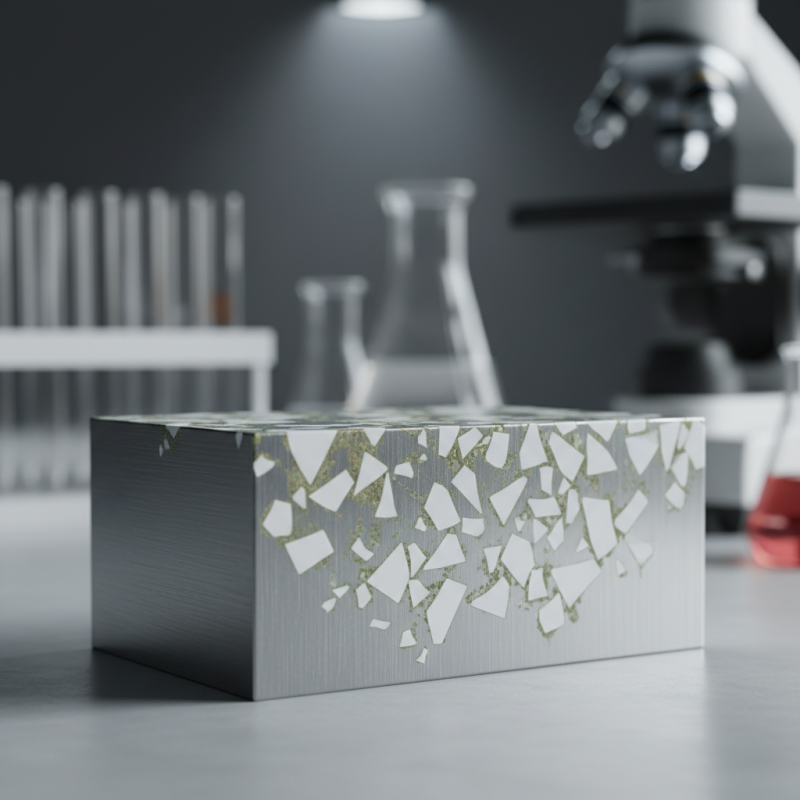
Steel-ceramic composites offer a promising solution. Their unique structure combines the strength of steel with the hardness of ceramics, making them resistant to wear and harsh environments. For example, the use of alumina in these composites has shown to significantly reduce corrosion rates. However, achieving optimal performance requires careful material selection and processing methods.

In the pursuit of optimizing corrosion resistance, the industry faces challenges. Not all combinations yield the desired durability. Research continues to explore the best formulations and applications. Manufacturers must also balance costs with performance. Ultimately, optimizing corrosion resistance of steel-ceramic composites is crucial for sustainability and efficiency in numerous applications.
Why Optimize Corrosion Resistance of Steel Ceramic Composites?

Importance of Corrosion Resistance in Steel Ceramic Composites

Corrosion resistance is crucial for steel ceramic composites used in demanding environments. These materials face intense conditions, such as moisture, chemicals, and temperature fluctuations. According to recent data, corrosion costs industries over $2.5 trillion annually. This staggering figure highlights the need for durable materials.

Steel ceramic composites effectively combine the strength of steel with the protective properties of ceramics. Their unique structure helps to significantly enhance corrosion resistance. For instance, the use of aluminum oxide in composites can reduce corrosion rates by up to 90%. This improvement reflects the potential for long-term savings in maintenance and replacements.

However, challenges remain. Not all composites exhibit uniform performance across different applications. Factors such as the specific environment and composition can influence the effectiveness of corrosion resistance. Some materials still face degradation despite advancements. This ongoing issue underscores the necessity for continuous research and development. Understanding the limitations and potential improvements is key to optimizing these materials for critical applications.

Why Optimize Corrosion Resistance of Steel Ceramic Composites?

Property Importance Impact on Applications
Corrosion Resistance Prevents material degradation and extends lifespan Crucial for infrastructure, automotive parts, and aerospace components
Mechanical Strength Ensures durability under load and stress Essential for structures that bear high loads
Thermal Stability Allows performance under high temperatures without degradation Important for applications in power plants and engines
Cost-Effectiveness Reduces maintenance costs and material replacements Benefits long-term investment in various industries

Mechanisms of Corrosion in Steel and Ceramic Materials

Corrosion in steel and ceramic materials occurs due to various chemical reactions. Steel often suffers from rusting when exposed to moisture and oxygen. The presence of electrolytes can accelerate this process. Studies indicate that over 70% of steel structures face some form of corrosion, which leads to substantial economic losses. In contrast, ceramics exhibit high resistance to corrosive environments; however, they can experience degradation under harsh conditions, such as high temperatures or chemical exposure.

To enhance the corrosion resistance of steel ceramic composites, understanding these mechanisms is crucial. The combination of steel and ceramic can harness the strengths of both materials. For example, the ceramic phase can provide a protective barrier, while the steel offers structural integrity. Research shows that composites with optimized ceramic content can reduce corrosion rates by up to 50%. This is significant for industries like construction and automotive.

Tips: Use protective coatings and anodes to further improve corrosion resistance. Regular inspections can help identify early signs of corrosion. Proper environmental control also plays a vital role in prolonging material lifespan.

Strategies for Enhancing Corrosion Resistance in Composites

Corrosion resistance is crucial for the longevity of steel ceramic composites. These materials often face harsh environmental conditions. To enhance their performance, several strategies can be employed.

One effective method is the application of protective coatings. Studies show that a well-chosen coating can reduce corrosion rates by up to 50%. Coatings act as barriers, preventing corrosive agents from reaching the metal surface. Another approach involves optimizing the composite’s microstructure. Research indicates that finer grain sizes can significantly improve corrosion resistance. This refinement can help in minimizing the sites where corrosion initiates.

**Tip:** Always consider your operational environment when selecting materials. Different environments can lead to different corrosion challenges.

Incorporating nanoparticles into the composite mix has also shown promise. These tiny particles can improve the material's overall durability. However, balancing cost and performance remains a challenge. Material suppliers often need extensive testing to validate their products.

**Tip:** Regularly update your knowledge on corrosion-resistant technologies. Staying informed ensures better material choices.

Ultimately, understanding these strategies can lead to better-performing steel ceramic composites. Continuous improvements pave the way for more resilient constructions in demanding applications.

Applications of Corrosion-Resistant Steel Ceramic Composites

Corrosion-resistant steel ceramic composites play a crucial role in various industries. They are increasingly used in environments where traditional materials fail. For instance, the oil and gas sector often faces severe corrosion challenges. A study reported that about 30% of maintenance costs in these industries stem from corrosion issues. This indicates a pressing need for materials that can withstand harsh conditions.

Applications extend to marine settings as well. Ships and offshore structures require robust materials due to constant exposure to saltwater. Research shows that corrosion can reduce the lifespan of marine vessels by up to 25%. Utilizing steel ceramic composites can significantly mitigate these effects, enhancing durability.

Another growing area is electronic components. Corrosion can lead to malfunction or failure in sensitive devices. Recent industry analyses indicated that about 15% of electronic device failures are due to corrosion. By incorporating corrosion-resistant steel ceramic composites, manufacturers can enhance product reliability and longevity. This trend highlights the importance of developing materials that not only resist corrosion but also adapt to evolving technological needs.

Future Trends in Corrosion Resistance Optimization Techniques

Corrosion resistance optimization of steel ceramic composites is essential for multiple industries. A recent report from the National Association of Corrosion Engineers indicates that corrosion costs the U.S. economy over $300 billion annually. This immense financial burden highlights the need for improved materials that withstand harsh environments. Despite advancements, many existing techniques still fall short of performance expectations.

Future trends in corrosion resistance optimization focus on innovative coatings and engineered surfaces. Recent studies show that nanostructured coatings can enhance durability by up to 80%. Such advancements pave the way for materials that are both cost-effective and long-lasting. However, implementing these solutions may require more testing and regulatory approvals, which could slow market adoption.

Research continues to explore the application of self-healing materials, which can repair damage autonomously. Early findings suggest these could significantly extend the lifespan of components. Yet, challenges remain in scalability and production costs. The path forward is promising, yet the industry must navigate these complexities to fully realize the potential of corrosion-resistant composites.

FAQS

: Why is corrosion resistance important for steel ceramic composites?

: Corrosion resistance is vital for these composites used in harsh environments like moisture and chemicals.

How does corrosion impact industries financially?

Corrosion costs industries over $2.5 trillion annually, showcasing the need for durable materials.

What enhancements do steel ceramic composites offer?

They combine steel's strength with ceramics' protective properties, significantly improving corrosion resistance.

Can aluminum oxide really reduce corrosion rates?

Yes, using aluminum oxide in composites can cut corrosion rates by up to 90%.

Do all steel ceramic composites perform equally well?

No, performance varies by application and environmental conditions. Some face degradation still.

What are current trends in optimizing corrosion resistance?

Innovations like nanostructured coatings can enhance durability by up to 80%.

Are self-healing materials a potential solution?

Yes, self-healing materials can autonomously repair damage, potentially extending component lifespan.

What challenges do new corrosion resistance techniques face?

New techniques require more testing and regulatory approvals, which may delay market adoption.

Are there any concerns with current corrosion resistance solutions?

Many existing techniques still struggle to meet performance expectations, highlighting the need for improvement.

What does the future hold for corrosion-resistant composites?

The future is promising but complex, requiring careful navigation to maximize potential.

Conclusion

The optimization of corrosion resistance in steel-ceramic composites is crucial due to the increasing demand for durable materials in various industries. Corrosion can significantly weaken both steel and ceramic components; hence, understanding the mechanisms behind corrosion in these materials is vital. By implementing strategic approaches, such as surface treatments and material modifications, it is possible to enhance the corrosion resistance of these composites, making them suitable for challenging environments.

Applications of corrosion-resistant steel-ceramic composites are vast, ranging from construction to aerospace, where longevity and reliability are paramount. As the technology advances, future trends are likely to focus on innovative optimization techniques that further enhance the durability and performance of these composites. This ongoing research emphasizes the importance of efforts to optimize corrosion resistance of steel-ceramic composites, ensuring their effectiveness in various applications.

Ethan

Ethan

Ethan is a seasoned marketing professional with a deep expertise in our company's innovative product line. With a passion for sharing knowledge and insights, he takes the lead in regularly updating our corporate blog, where he explores industry trends, product features, and effective marketing......