Top 10 Ways to Optimize Corrosion Resistance in Steel Ceramic Composites?

Time:2026-07-24 Author:Liam
0%

In the field of materials science, optimizing corrosion resistance is crucial for the durability of steel-ceramic composites. Dr. John Stevens, a renowned expert in composite materials, states, "Improving corrosion resistance not only enhances lifespan but also boosts performance." This highlights the importance of developing effective strategies.

The integration of steel and ceramic materials has unique advantages. It allows for a balance between strength and resistance, yet challenges in corrosion persist. Effective methods are needed to optimize corrosion resistance of steel-ceramic composites. Each approach requires careful consideration and testing to find the best fit.

Various techniques can enhance properties and prevent degradation. However, not all methods yield significant results, necessitating ongoing research. Industry professionals must collaborate to share findings and refine processes. In this evolving landscape, understanding how to optimize corrosion resistance is key for success.
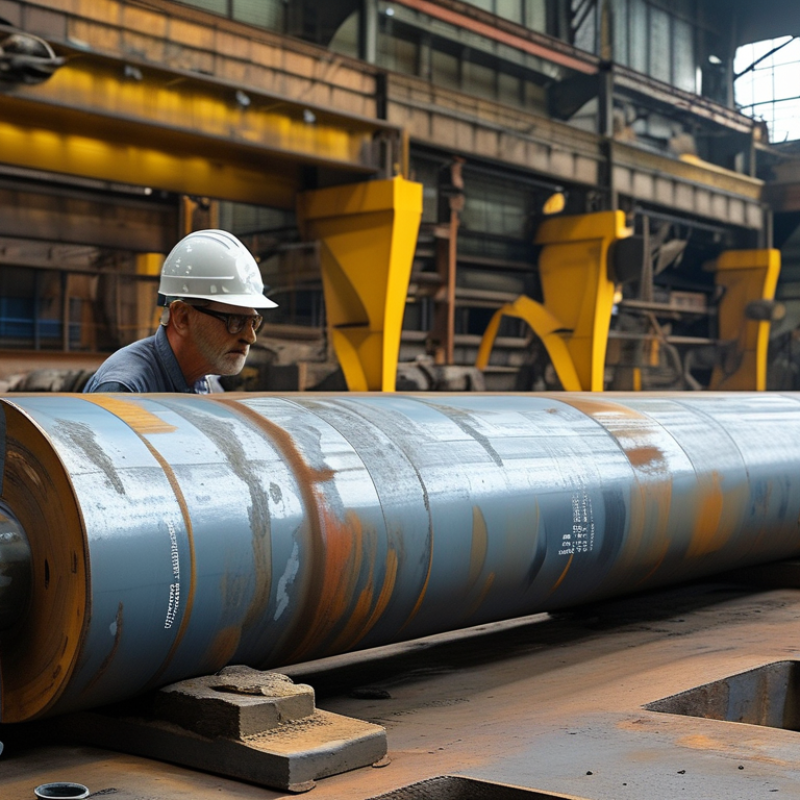
Top 10 Ways to Optimize Corrosion Resistance in Steel Ceramic Composites?

Understanding Steel Ceramic Composites and Their Corrosion Challenges

Steel ceramic composites combine the strength of steel with the durability of ceramic materials. They face unique corrosion challenges, particularly in harsh environments. Steel’s susceptibility to rust and degradation makes these composites vulnerable. In fact, studies show that up to 40% of corrosion-related failures in industrial applications involve steel components. Understanding how to enhance corrosion resistance is critical.

The structure of steel ceramic composites determines their performance in corrosive scenarios. Research indicates that adding specific ceramic materials can significantly improve their resistance to oxidation and abrasion. For example, alumina can increase the overall hardness, making the composite less likely to corrode. However, achieving the right balance can be tricky. Improper mixing ratios may lead to weaknesses. Additionally, surface treatment methods, such as coating with anti-corrosion agents, may not always provide the expected longevity.

Monitoring the operational conditions of these composites is vital. Environmental factors, such as pH and temperature, greatly impact corrosion rates. A report highlighted a 15% increase in corrosion rates for steel in saltwater environments. Understanding these aspects is necessary to optimize performance. Ongoing research is essential for developing more resilient configurations. The quest for the ideal formulation continues. Challenges persist, but addressing these issues can lead to significant advancements in corrosion resistance.

Evaluating Surface Treatments to Enhance Corrosion Resistance

Surface treatments play a crucial role in enhancing the corrosion resistance of steel ceramic composites. One effective method is the application of protective coatings. These coatings can form a barrier against environmental factors, reducing the risk of corrosion. Electrochemical and chemical treatments are popular choices. They modify the surface properties, making the materials more resistant to aggressive media.

Another technique involves using surface roughening methods. This physical alteration increases the surface area, allowing for better adhesion of protective layers. However, the balance between roughness and performance must be examined. Excessive roughness may trap moisture, promoting corrosion instead of preventing it.

Lastly, exploring the effects of additives can also yield promising results. Incorporating corrosion inhibitors into the composite material can enhance durability. However, the long-term effects of such additives need further investigation. The quest for optimal corrosion resistance is ongoing, and continuous evaluation of these surface treatments is necessary for advancements in this field.

Incorporating Protective Coatings for Improved Durability

In recent years, the importance of protective coatings in enhancing the durability of steel ceramic composites has gained significant attention. An industry report indicates that incorporating high-quality coatings can prevent corrosion, extending the lifespan of these materials by up to 80%. These coatings create a barrier against moisture and corrosive agents, which are critical factors in degradation.

Specific coatings like ceramic and polyurethane have shown remarkable effectiveness. For instance, a study from the Materials Research Society revealed that a ceramic coating could reduce wear and corrosion rates by more than 60%. However, selecting the right coating isn't always straightforward. Challenges include the compatibility of coatings with different steel compositions and the environmental conditions they will face.

While many companies have adopted coating technologies, not all have achieved optimal results. Some report compatibility issues, leading to peeling or cracking over time. The need for ongoing research and testing is clear. Only through careful selection and application of protective coatings can the industry improve corrosion resistance effectively. Engaging with experts in material science and engineering is essential for advancing these technologies.

Design Innovations in Composite Structures for Corrosion Resistance

Corrosion resistance in steel ceramic composites is crucial for enhancing structural integrity. Innovative design approaches play a significant role in this aspect. Utilizing advanced materials can lead to superior performance. Ceramic components increase hardness and, consequently, resist wear. By strategically placing these materials, designers minimize corrosion exposure in critical areas.

Another key strategy involves optimizing composite layering. Varying thickness and composition in layers can enhance the bonding between ceramic and steel. This allows for better stress distribution. Engineers often face challenges with adhesion; inconsistent bonding can lead to performance failures. Testing different bonding agents can help in finding optimal solutions.

Incorporating coatings is also vital. Some ceramics can be treated to further improve chemical resistance. However, these coatings might compromise other properties. Finding the right balance requires thorough research and experimentation. Using sensors embedded in composites can provide real-time data on corrosion levels. This proactive approach helps in evaluating the composite's condition and maintaining safety.

Top 10 Ways to Optimize Corrosion Resistance in Steel Ceramic Composites

Method Description Effectiveness (%) Cost Estimate ($)
Coating Application Applying protective coatings to the surface of composites. 85 $200 - $500
Composite Material Selection Choosing corrosion-resistant ceramic materials for composites. 90 $300 - $700
Surface Treatment Applying treatments like anodizing or passivation. 75 $150 - $400
Microstructural Engineering Modifying the material structure at the micro level. 80 $300 - $600
Hybrid Composites Using a combination of materials to enhance properties. 88 $400 - $800
Corrosion Inhibitors Incorporating inhibitors into the composite matrix. 77 $250 - $500
Design Modifications Altering design to minimize corrosion-prone areas. 82 $200 - $450
Environmental Control Controlling environmental factors affecting corrosion. 85 $600 - $1200
Regular Maintenance Routine checks and maintenance to catch issues early. 90 $100 - $300
Testing and Evaluation Conducting tests to determine corrosion behavior of composites. 92 $300 - $600

Regular Maintenance Strategies for Longevity of Steel Ceramic Composites

Regular maintenance is crucial for the longevity of steel ceramic composites. These materials, known for their enhanced corrosion resistance, still require proactive care. Regular inspections can help identify wear and tear. Check for cracks, chips, or surface degradation. Addressing these issues early prevents bigger problems later.

Cleaning is another key aspect. Use gentle methods to avoid damaging the surface. High-pressure cleaning can cause more harm than good. A simple wash with mild detergents and soft brushes often suffices. This helps maintain the composite’s integrity and appearance.

Environmental factors play a significant role too. Humidity and exposure to harsh chemicals can accelerate corrosion. Consider applying protective coatings periodically. However, ensure the applied layer is compatible with the composite material. Balancing protection with the right maintenance approach requires careful planning and, at times, professional guidance. This can be a learning curve for many, but it’s essential for maximizing the life of these innovative materials.

FAQS

: What are steel ceramic composites?

: Steel ceramic composites combine steel's strength with the durability of ceramic materials.

What are the main challenges for these composites?

They are particularly vulnerable to corrosion, especially in harsh environments.

How does corrosion affect steel components?

Up to 40% of corrosion-related failures in industry involve steel components.

How can the structure of composites enhance corrosion resistance?

Adding certain ceramics, like alumina, improves hardness and reduces corrosion.

What impact do surface treatments have?

Coatings may not always provide long-lasting protection and can be tricky to apply.

Why is monitoring environmental conditions important?

Factors like pH and temperature significantly affect corrosion rates in these composites.

How effective are protective coatings?

High-quality coatings can extend the lifespan of composites by up to 80%.

What challenges exist with protective coatings?

Compatibility issues can lead to peeling or cracking, resulting in poor performance.

Is ongoing research necessary in this area?

Yes, consistent research and testing are needed to improve corrosion resistance.

What role do experts play in enhancing composite durability?

Engaging with material science experts is essential for advancing protective coating technologies.

Conclusion

The article "Top 10 Ways to Optimize Corrosion Resistance in Steel Ceramic Composites" highlights the multifaceted approaches essential for enhancing the durability of these advanced materials. It begins by explaining the inherent corrosion challenges faced by steel-ceramic composites and the importance of understanding their properties. Evaluating various surface treatments emerges as a critical strategy to optimize corrosion resistance, allowing for the enhancement of overall performance.

In addition, the article emphasizes the incorporation of protective coatings as a vital measure to improve longevity. Design innovations play a key role in creating more resilient composite structures, while regular maintenance strategies are outlined to ensure sustained performance. Together, these insights offer a comprehensive framework for optimizing corrosion resistance of steel-ceramic composites, ensuring their effectiveness in demanding environments.

Liam

Liam

Liam is a dedicated marketing professional with a profound expertise in the industry, where he excels at highlighting the unique advantages of our core products. With a keen understanding of market trends and consumer needs, Liam frequently updates our company’s professional blog, providing......