In industrial settings, efficiency hinges on the reliability of conveying systems. These systems play a crucial role in production processes. However, one major challenge faced is material wear, which can significantly affect performance and safety. Reports indicate that material wear can lead to downtime, increasing maintenance costs by up to 40%.
To minimize material wear in industrial conveying systems, businesses must adopt proactive strategies. Common materials used in manufacturing often experience wear due to friction and impacts during operation. This wear not only degrades equipment quality but also affects product integrity. Industry studies show that optimizing conveying systems can extend the equipment lifespan by over 30%.
Understanding the factors that contribute to wear allows for better material selection and system design. Yet, many companies overlook these aspects, leading to lost productivity and revenue. A careful analysis of wear patterns is essential for improvement. Ultimately, minimizing material wear represents a pathway to enhanced operational efficiency and reduced costs in industrial applications.
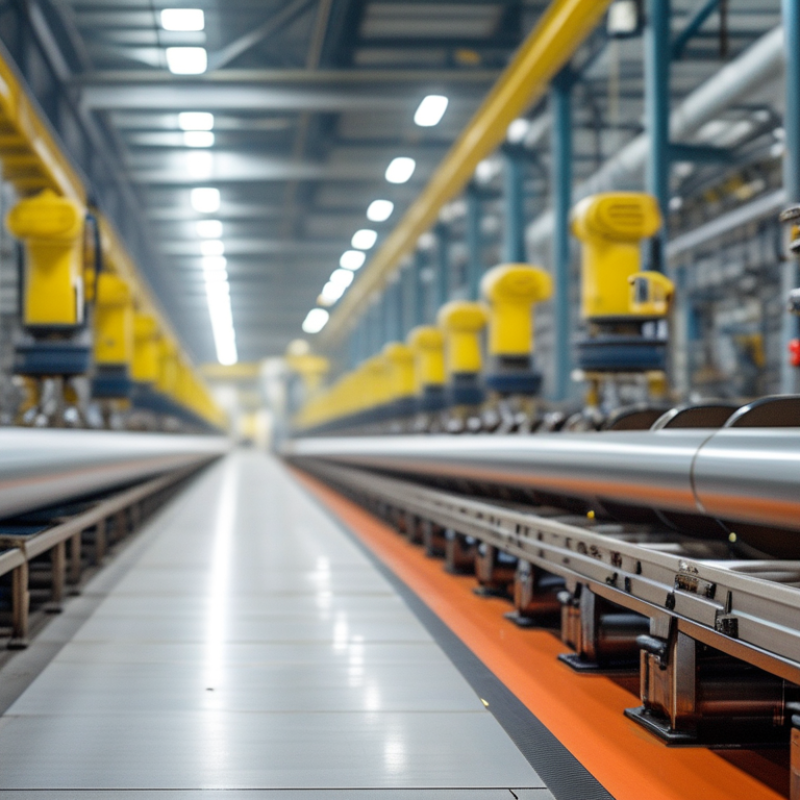
Importance of Material Wear in Industrial Conveying Systems
Material wear in industrial conveying systems is a critical issue. Various studies indicate that equipment failure linked to wear can be as high as 30% in some industries. This substantial number highlights the importance of addressing wear to maximize operational efficiency. Reducing material wear enhances the lifespan of components, leading to savings on replacement costs and downtime. A report by the Association for Manufacturing Technology reveals that minimizing wear can improve system efficiency by up to 15%.
To mitigate wear, consider investing in high-quality materials. The choice of belts, rollers, and other components significantly impacts wear levels. Regular maintenance practices can also prolong the lifespan of these systems. Daily inspections can identify early signs of wear, allowing for timely interventions. In a recent survey, facilities that implemented proactive maintenance reported a 20% reduction in unexpected breakdowns.
Tips: Monitor operating conditions. Excessive vibrations can accelerate wear. Implement proper alignment to reduce unnecessary friction. Training employees on handling materials appropriately also minimizes wear, ensuring smoother operations. These insights can lead to substantial improvements over time.
Material Wear in Industrial Conveying Systems
This chart illustrates the average annual material wear in different components of industrial conveying systems. Minimizing wear is critical for maintaining efficiency and prolonging the lifespan of the equipment.
Factors Contributing to Material Wear in Conveying Equipment
Material wear in industrial conveying systems is a significant issue. High levels of wear can lead to equipment failure, costly downtime, and increased maintenance expenses. A study by the Conveyor Equipment Manufacturers Association noted that 70% of all maintenance costs in conveying systems arise from material wear.
Factors contributing to material wear include abrasive materials, equipment design, and environmental conditions. For instance, when handling abrasive materials, particle size and hardness play a crucial role. Larger, harder particles can rapidly degrade conveyor belts, rollers, and other components. According to data from a leading research firm, conveyor systems in mining applications can experience a wear rate increase by up to 300% due to abrasive material interactions.
The operational environment also affects wear. High temperatures and moisture can accelerate deterioration in components. High humidity levels can lead to corrosion, increasing wear rates significantly. Research shows that equipment operating in extreme conditions might experience a lifespan reduction of up to 50%. Understanding these factors is crucial for optimizing system longevity and performance. As wear occurs, it’s vital to reassess the materials used and improve maintenance practices.
Why Minimize Material Wear in Industrial Conveying Systems?
| Factor |
Description |
Impact on Material Wear |
Mitigation Strategies |
| Material Composition |
The type of materials being transported can influence wear. |
Higher wear rates for abrasive materials. |
Use wear-resistant materials for construction. |
| Operational Speed |
The speed at which materials are conveyed. |
Higher speeds can lead to increased friction. |
Optimize speed for material type. |
| Environmental Conditions |
Temperature, humidity, and cleanliness of the environment. |
Extreme conditions can accelerate wear. |
Maintain controlled environments. |
| Maintenance Practices |
Regular inspection and maintenance of equipment. |
Poor practices can lead to accumulation of wear. |
Implement a regular maintenance schedule. |
| Alignment and Installation |
Proper installation and alignment of equipment components. |
Misalignment increases friction and wear. |
Ensure correct alignment during installation. |
Consequences of Excessive Wear on System Efficiency and Maintenance
Excessive wear in industrial conveying systems can significantly hinder system efficiency. When materials wear down, they create friction and resistance. This leads to decreased operational speeds and increased energy consumption. For example, a worn belt can require up to 20% more power to maintain the same throughput. These small changes accumulate, resulting in noticeable inefficiencies.
Maintenance costs escalate due to excessive wear. When parts fail, unplanned downtime occurs. Repairs can be expensive and time-consuming. Additionally, replacement parts may have long lead times, causing production halts. A simple conveyor belt can result in days of lost productivity if not monitored. Companies often underestimate these hidden costs, focusing only on visible breakdowns.
Regular monitoring and preventive maintenance are essential strategies. However, many systems still lack effective wear management practices. Identifying wear patterns early can help. Technology, like wear sensors, can provide insights. Nevertheless, some systems still depend solely on operator observations, which may not be sufficient. Balancing technology with human insight can lead to better outcomes, yet many remain unsure of this approach.
Strategies for Minimizing Material Wear in Conveyors
In industrial settings, material wear in conveying systems can lead to significant downtime and increased operating costs. According to a report from the Material Handling Industry of America, wear and tear can account for up to 40% of maintenance costs in conveyor systems. Therefore, minimizing material wear is crucial for operational efficiency.
One effective strategy is to use wear-resistant materials. Utilizing advanced composites can reduce wear by 30%. Proper alignment of conveyor components is also essential. Misalignment can lead to increased friction and, consequently, greater wear. Regular inspection is vital to ensure all parts function optimally.
Tip: Implement a proactive maintenance schedule. This can prevent costly breakdowns and extend the life of your equipment.
Employing soft start technology can also help. Gradual acceleration minimizes shock loads on materials. Additionally, using impact-absorbing systems can significantly reduce wear. Innovative solutions like these offer practical pathways to enhancing efficiency while mitigating wear.
Tip: Train staff on best practices. They play a key role in identifying potential issues early.
Benefits of Reduced Material Wear for Operational Longevity and Cost Savings
Minimizing material wear in industrial conveying systems proves crucial for operational longevity and reducing costs. When wear occurs, components degrade quickly. This leads to frequent replacements and downtime. A strategy to mitigate wear can save money and enhance efficiency.
Regular maintenance is essential. Evaluate your system's wear patterns. Implement timely adjustments. Use wear-resistant materials where possible. This proactive approach helps maintain optimal performance.
Consider automating monitoring processes. Sensors can track wear levels in real-time. This data-driven insight allows for informed decision-making. Additionally, train staff to recognize early signs of wear. Empower them to report issues before they escalate.
Engaging skilled professionals can also enhance operations. Their expertise can lead to tailored solutions that fit specific applications. Investing in training and resources ultimately pays off through improved reliability and reduced operational costs.
FAQS
: Material wear can cause up to 30% equipment failure, impacting efficiency and operational costs.
It enhances component lifespan, reduces replacement costs, and minimizes downtime.
Minimizing wear can boost system efficiency by up to 15%.
Regular maintenance identifies early wear signs, helping prevent unexpected breakdowns.
Excessive vibrations can accelerate wear, leading to quicker degradation of components.
Use high-quality materials, implement proper alignment, and ensure employee training.
Real-time monitoring allows timely interventions, preventing costly breakdowns.
Yes, their expertise can provide tailored solutions for specific operational needs.
Training staff to handle materials properly reduces wear and improves overall efficiency.
Ignoring wear can result in increased costs and operational inefficiencies over time.
Conclusion
Minimizing material wear in industrial conveying systems is crucial for maintaining operational efficiency and extending equipment lifespan. The factors contributing to material wear include the types of materials being transported, the design of conveying equipment, and the speed of operation. Excessive material wear can lead to increased downtime, higher maintenance costs, and reduced system performance, ultimately affecting productivity and profitability.
To effectively minimize material wear in industrial conveying systems, it is essential to implement strategies such as selecting durable materials, optimizing system design, and regularly maintaining equipment. The benefits of reducing material wear include enhanced operational longevity and significant cost savings over time. By prioritizing the minimization of material wear, industries can achieve better performance, reduce expenses, and ensure a more reliable conveying process.

 Xingli Industrial Ceramics