In the realm of industrial conveying systems, minimizing material wear is crucial for efficiency. Equipment longevity directly impacts operational costs. Companies invest heavily in machinery, yet wear and tear can diminish their potential. An effective approach is necessary to overcome challenges related to material degradation.
Minimizing material wear in industrial conveying systems involves careful attention to design and usage. Even the best systems can suffer from unexpected wear. Environmental factors, load variations, and material properties can all contribute. By understanding these aspects, operators can enhance system performance and reduce downtime.
Ultimately, awareness is vital. Some approaches may seem straightforward but can lead to unforeseen issues. Regular maintenance and material selection are often underestimated yet play a significant role. Finding the balance between cost and performance is key in any industrial context.
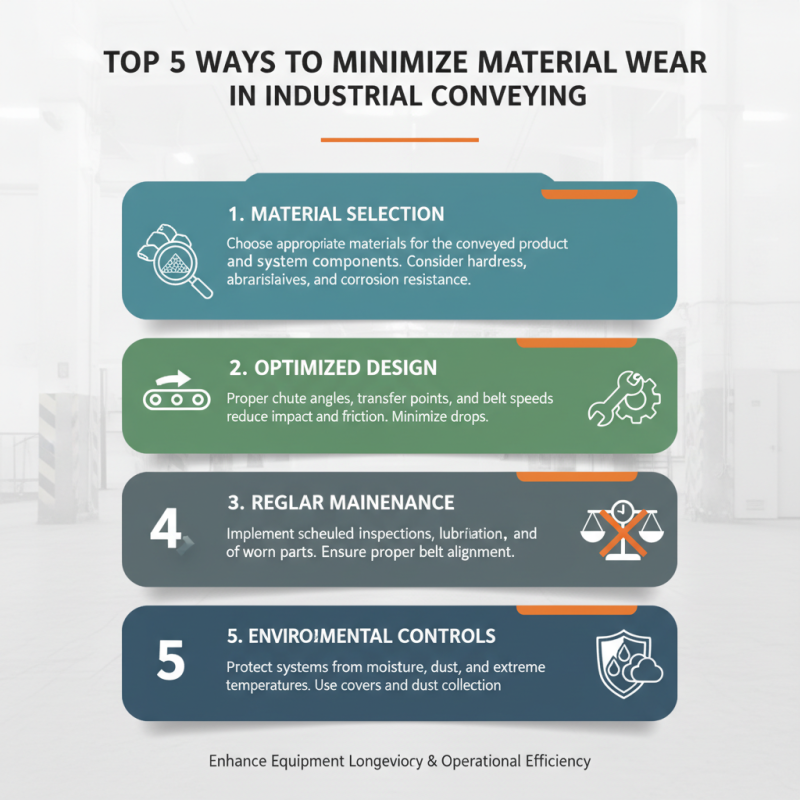
Material wear in industrial conveying systems is a critical concern. It can lead to increased maintenance costs and downtime. According to a recent study, wear can decrease equipment efficiency by up to 30%. This loss impacts productivity and profitability, making it essential to address the issue proactively.
Understanding the types of wear is vital. Abrasive wear often arises from the materials being conveyed. Friction can significantly accelerate this process. A report by the Conveying Equipment Manufacturers Association (CEMA) indicated that abrasive wear costs companies approximately $2 billion annually. This figure highlights the importance of selecting appropriate materials for both the conveyed goods and the conveyor components.
Regular monitoring can also help mitigate wear. Utilizing predictive maintenance tools can identify wear patterns early. However, many companies overlook this aspect. The absence of real-time data can lead to unexpected failures. Implementing robust tracking systems can enhance reliability but requires upfront investment. Acknowledging these complexities is crucial for fostering effective long-term strategies.
In industrial conveying systems, material wear is a significant concern. Several common causes lead to wear in conveyors. Understanding these factors is crucial for effective management.
One major cause is friction. When materials slide or roll against conveyor surfaces, wear accelerates. Metal-on-metal contact can further exacerbate this issue. For example, heavier loads can increase stress on components, leading to premature failure. Regular inspections help identify wear patterns early.
Another contributor is misalignment. When components are not properly aligned, it can cause uneven wear. This misalignment often results from improper installation or wear over time. Operators should monitor alignment continuously. Even minor misalignments can create problems down the line. Always seek to address any discrepancies promptly.
Environmental factors can also play a role. Temperature fluctuations can affect material properties. Dust and debris accumulation can increase friction as well. Measures like routine cleaning and temperature control are essential. Collectively, these insights can guide maintenance strategies to reduce wear significantly.
| Cause of Material Wear | Description | Minimization Technique | Effectiveness |
|---|---|---|---|
| Material Composition | Different materials react variously to friction and impact. | Use materials with higher resistance to wear. | High |
| Alignment Issues | Misalignment can cause uneven wear across components. | Regular maintenance and alignment checks. | Moderate |
| Operating Speed | Excessive speeds can increase wear rates. | Optimize speed settings on conveyors. | High |
| Environmental Factors | Dust, moisture and contaminants can accelerate wear. | Use protective covers and regular cleaning routines. | High |
| Load Distribution | Uneven loads can lead to specific areas wearing out quicker. | Ensure balanced load distribution. | Moderate |
Effective maintenance practices play a crucial role in minimizing material wear in industrial conveying systems. Regular inspections can identify potential issues before they escalate. According to recent data from the Conveyor Equipment Manufacturers Association, 30% of system downtime is attributed to maintenance neglect. This figure highlights the importance of routine checks.
Implementing a preventive maintenance schedule can significantly reduce wear and tear. Utilizing condition monitoring technologies helps in detecting vibrations or unusual sounds in conveyors. The American Society of Mechanical Engineers reports that such technologies can lead to a 25% increase in equipment lifespan. However, not all companies prioritize these practices, which can reflect a lack of awareness or perceived high costs, often leading to unexpected failures.
Additionally, training staff on maintenance protocols is vital. Employees need to understand the significance of timely repairs. A skilled workforce can effectively extend the operational life of conveyor systems. Yet, many organizations overlook the need for ongoing training. This neglect can result in minor issues causing major disruptions, proving that consistent investment in workforce development is necessary.
In the industrial conveying sector, material wear can significantly impact efficiency and operational costs. Utilizing advanced materials is crucial for enhancing conveyor durability. Reports indicate that conveyor systems are often responsible for up to 30% of maintenance costs in manufacturing facilities. By investing in high-performance materials, businesses can reduce these costs while increasing reliability.
Advanced materials such as polymers, composites, and high-strength metals can resist corrosion and abrasion. For example, studies show that polycarbonate components can last up to 50% longer than traditional materials. This improvement directly translates to less downtime and increased productivity. Implementing these innovations also requires a change in mindset. Companies must prioritize long-term performance over initial costs.
Tip: Regularly evaluate the materials used in your conveyor systems. Transitioning to advanced options may involve upfront investment, but the long-term savings and reduced wear can lead to significant benefits.
Another point to consider is the ongoing training of maintenance staff. Ensuring they understand the properties of new materials can optimize their utility. Knowledge gaps can lead to poor maintenance practices, thereby increasing wear and tear. Continuous education can be a game-changer for boosting the lifespan of conveyors.
Designing conveyor systems with optimal material flow is crucial for reducing wear. One effective approach is to analyze the material characteristics. Different materials react uniquely when conveyed. Understanding their properties can influence design choices significantly. For instance, abrasive materials can cause rapid wear on conveyor surfaces. Identifying these properties leads to better material selection and a more durable system.
Another important aspect is the configuration of the conveyor system. Curves and angles in the design can create unnecessary stress points. Streamlined designs help reduce material impact and friction. Integrating soft-start mechanisms slows down the initial force. This adjustment lessens wear on both materials and machinery.
Proper maintenance cannot be overlooked. Regular inspections allow for early detection of wear patterns. Operators should examine components like rollers and belts frequently. Timing and precision in addressing wear can extend system life. Ultimately, designing with wear in mind involves a balance between aesthetics and functionality. The path forward is evolving, requiring continuous assessments and adjustments.
: Regular inspections help identify potential issues early, preventing escalated problems and minimizing downtime.
About 30% of system downtime is attributed to neglecting maintenance practices in industrial systems.
Implementing a preventive maintenance schedule can significantly lower wear and tear on equipment.
Condition monitoring technologies detect vibrations or unusual sounds, potentially increasing equipment lifespan by 25%.
Companies may overlook maintenance due to a lack of awareness or the belief that it is too costly.
Advanced materials like polymers and composites resist corrosion and abrasion, extending the life of conveyor systems.
While initial costs may be higher, advanced materials can lower maintenance costs and reduce downtime in the long run.
Training staff ensures they understand maintenance protocols, helping to extend the lifespan of conveyor systems.
Knowledge gaps in maintenance can lead to poor practices, causing increased wear and operational disruptions.
It is crucial to prioritize long-term performance to gain significant benefits and savings over time.
Minimizing material wear in industrial conveying systems is crucial for enhancing operational efficiency and longevity. This process begins with a thorough understanding of material wear and identifying common causes, such as friction, improper alignment, and material overload. By recognizing these factors, industries can implement effective maintenance practices, such as routine inspections and timely repairs, to reduce wear and tear on equipment.
Furthermore, utilizing advanced materials and designing conveyor systems that prioritize optimal material flow can significantly enhance durability and performance. This holistic approach not only minimizes material wear in industrial conveying systems but also improves productivity and reduces downtime, leading to a more sustainable and cost-effective operation. Through these strategies, industries can ensure their conveyor systems operate efficiently over an extended lifespan.

Xingli Industrial Ceramics