Corrosion is a significant concern in the industrial sector. Steel components often face harsh environments that lead to deterioration. Reports from the National Association of Corrosion Engineers suggest that corrosion costs the U.S. economy over $300 billion annually. This staggering figure underscores the critical need to minimize corrosion damage to industrial steel components.
Effective strategies to combat corrosion include coatings, cathodic protection, and moisture control. Advances in technology have made high-performance coatings more accessible. However, many industries still overlook routine maintenance. Data from industry studies show that proactive measures can reduce corrosion rates by up to 50%. Yet, many companies fail to implement these practices consistently.
Addressing corrosion is not just about prevention; it requires ongoing assessment. Regular inspections and timely repairs are essential. Without them, the hidden costs can escalate quickly. In a world that increasingly relies on steel components, minimizing corrosion damage is vital for safety and economic efficiency. The imperative is clear: proactive measures must be prioritized to protect steel integrity and ensure operational longevity.
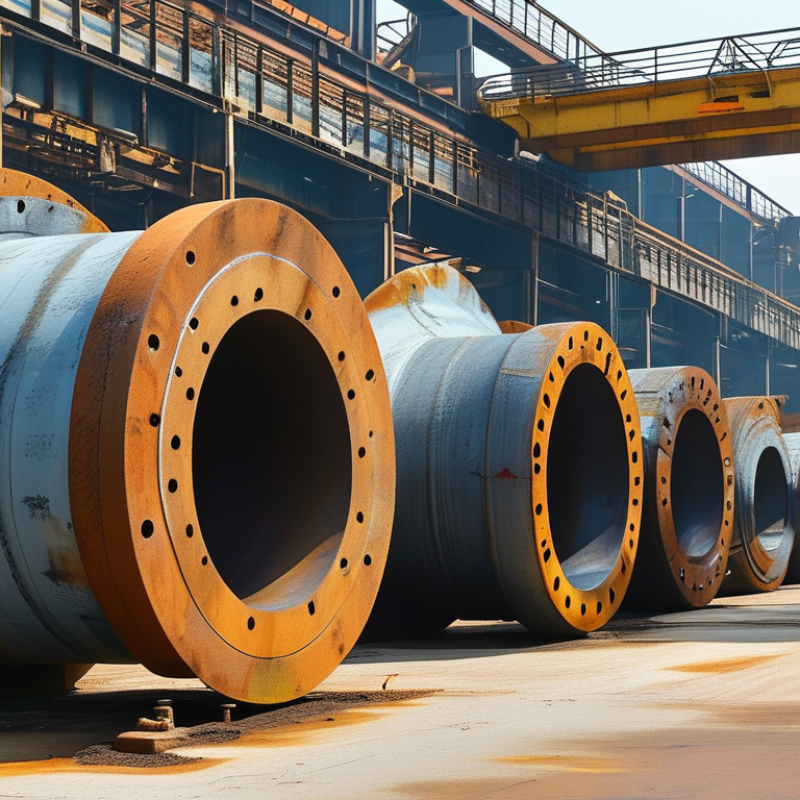
Understanding Corrosion and Its Impact on Steel Components
Corrosion is a significant issue for steel components. It occurs when metal reacts with moisture, oxygen, or chemicals. This process leads to rust, weakening the structure and decreasing its lifespan. Understanding how corrosion impacts steel is crucial for maintenance and safety. Steel structures, from bridges to buildings, rely on integrity. When corrosion sets in, it can lead to structural failures.
Prevention requires knowledge and experience. Protective coatings serve as a barrier against oxidizing agents. Regular inspections allow for early detection of corrosion. Using stainless steel in critical areas can often be a good option. It is essential to address the environmental factors contributing to corrosion. High humidity, salt exposure, and pollutants can accelerate deterioration. Combining strategies can enhance the overall resilience of steel components.
Addressing corrosion is not just a technical challenge. It's about creating awareness and developing reliable methods. Mitigating corrosion damage involves a multifaceted approach. There isn’t a one-size-fits-all solution. Understanding your environment and material specifications is vital. Each project may present unique challenges that require thoughtful consideration. The impact of corrosion can be far-reaching, emphasizing the need for proactive measures.
Impact of Corrosion Mitigation Strategies on Steel Component Lifespan
This chart illustrates the estimated increase in lifespan of steel components when utilizing various corrosion mitigation strategies. Regular maintenance and coatings play significant roles in enhancing durability and reducing overall corrosion damage.
Protective Coatings: Choosing the Right Method for Steel Protection
Protective coatings play a crucial role in minimizing corrosion damage to steel components. Choosing the right method can significantly enhance the longevity of these materials. Various methods exist, including paint, galvanization, and powder coating. Each has unique benefits and limitations that need careful consideration. For instance, paint is widely accessible but may require frequent touch-ups.
Galvanization involves applying zinc, providing a strong barrier against moisture and oxygen. However, it can be costlier and may not be suitable for all applications. Powder coating offers a durable finish that can withstand harsh conditions. Yet, its application could be complicated if surface preparation is inadequate. Selecting the wrong method may lead to premature failure, so it’s essential to understand the specific environment where the steel will be used.
While protective coatings can diminish corrosion, they are not foolproof. Regular inspections and maintenance are essential to ensure efficacy. A variety of factors, like humidity and temperature fluctuations, can affect coatings' performance over time. If left unchecked, these issues can compromise the steel's integrity. Continual assessment and adaptation of strategies can make a significant difference in maintaining steel components.
Regular Maintenance and Inspections to Prevent Corrosion
Regular maintenance is crucial in minimizing corrosion damage to steel components. Frequent inspections help identify early signs of rust or deterioration. For instance, examining joints and welds can uncover hidden issues before they escalate. Establishing a routine where you check for moisture accumulation can prevent long-term damage. Moisture is a significant factor in corrosion, so staying vigilant is essential.
In addition to inspections, addressing any surface damage promptly is vital. Even small scratches or chips can lead to bigger problems if left untreated. It is important to apply protective coatings when necessary. This includes paint or specialized sealants that provide a barrier against moisture and other corrosive elements. However, it’s easy to overlook these minor details during routine checks. A proactive approach is needed.
Education on corrosion and its effects can enhance maintenance efforts. Training staff on recognizing corrosion is key. They can be more effective at spotting issues during inspections. Reflecting on past maintenance strategies can reveal gaps. It involves accepting that sometimes preventative efforts may not be sufficient, and adjustments may be needed. Ultimately, regular maintenance and timely interventions are essential for preserving steel components.
Environmental Control: Reducing Corrosion through Proper Conditions
Corrosion significantly affects steel components, leading to costly repairs. Proper environmental control can greatly minimize this damage. Humidity and temperature are two key factors that influence rust formation. Maintaining a stable environment can protect steel structures.
To start, consider monitoring humidity levels. High humidity accelerates corrosion. Using dehumidifiers can help regulate moisture. This is particularly essential in coastal areas where saltwater increases corrosion risks. Simple measures, like sealing vents, can make a notable difference.
Another important factor is temperature. Elevated temperatures can enhance corrosion rates. Insulating steel components can help regulate their temperature. It’s also essential to avoid temperature fluctuations. This can be challenging in outdoor environments.
In practice, regular inspections are vital. Look for signs of corrosion early. Addressing minor issues can prevent larger problems later. Keeping a clean environment around steel components also helps. Dust and debris can trap moisture, leading to increased corrosion.
Material Selection: Using Alloyed Steels to Minimize Corrosion Risk
When it comes to minimizing corrosion damage to steel components, material selection plays a critical role.
Alloyed steels are increasingly favored for their enhanced corrosion resistance.
These steels include various elements, like chromium and nickel, which improve their overall durability.
This specific composition provides a protective layer that helps resist rust and deterioration over time.
Using alloyed steels requires careful consideration. Not all environments are the same, and even alloyed steels may not perform well under certain conditions.
Factors like humidity, temperature, and exposure to chemicals can dramatically affect their longevity.
Engineers must assess these conditions before making selections. Trade-offs exist, and while alloyed steels can be more expensive,
their long-term benefits often justify the initial investment.
Moreover, it is crucial to understand that no material is completely corrosion-proof. Regular inspection and maintenance are still needed.
Even the best alloys can fail if neglected. Building a strategy around periodic checks can identify early signs of wear.
This approach can ultimately prolong the life of steel components while ensuring safety and functionality.
Material selection is only the beginning of a responsible corrosion management plan.
FAQS
: They minimize corrosion damage and enhance the longevity of steel components.
Common methods include paint, galvanization, and powder coating. Each has its unique advantages.
Paint is accessible but may require frequent touch-ups, leading to maintenance challenges.
It applies zinc, forming a strong barrier against moisture and oxygen.
Its application can be complicated if the surface preparation is inadequate, risking overall effectiveness.
Regular maintenance helps to identify early signs of rust or deterioration, preventing bigger issues.
Moisture accumulation is a significant factor in corrosion, compromising the protective barriers over time.
Address any scratches or chips promptly to prevent them from leading to larger problems.
Educating staff on corrosion helps them recognize issues during inspections and improve maintenance.
Inspections help catch hidden issues early, allowing for timely preventative measures to be taken.
Conclusion
This article outlines effective strategies to minimize corrosion damage to industrial steel components. It begins with a thorough understanding of corrosion and its detrimental effects on steel, emphasizing the need for awareness in industrial applications. One of the key methods for protection is the application of appropriate protective coatings, which offer a barrier against environmental factors that contribute to corrosion.
In addition, regular maintenance and inspections are crucial in identifying early signs of corrosion, allowing for timely interventions. Environmental control plays a significant role as well, where managing exposure to moisture and corrosive agents can greatly reduce risks. Finally, selecting the right materials, particularly alloyed steels, can inherently minimize corrosion risk, leading to longer service life and enhanced performance of steel components in industrial settings. By implementing these approaches, industries can effectively minimize corrosion damage to industrial steel components, ensuring durability and reliability.

 Xingli Industrial Ceramics