In today's competitive industrial landscape, the need to improve abrasion resistance in harsh industrial environments is paramount. Dr. Jane Smith, an expert in materials science, emphasizes this necessity: "Choosing the right materials can significantly reduce wear and tear." Industries such as mining, manufacturing, and construction face extreme conditions that challenge material durability. Finding effective solutions is critical.
Abrasion can lead to machinery downtime, increased costs, and safety hazards. For example, conveyor belts wear quickly in environments with rough materials. This constant friction demands innovative approaches to enhance resilience. New composites and surface treatments are emerging, yet many companies still struggle with implementation.
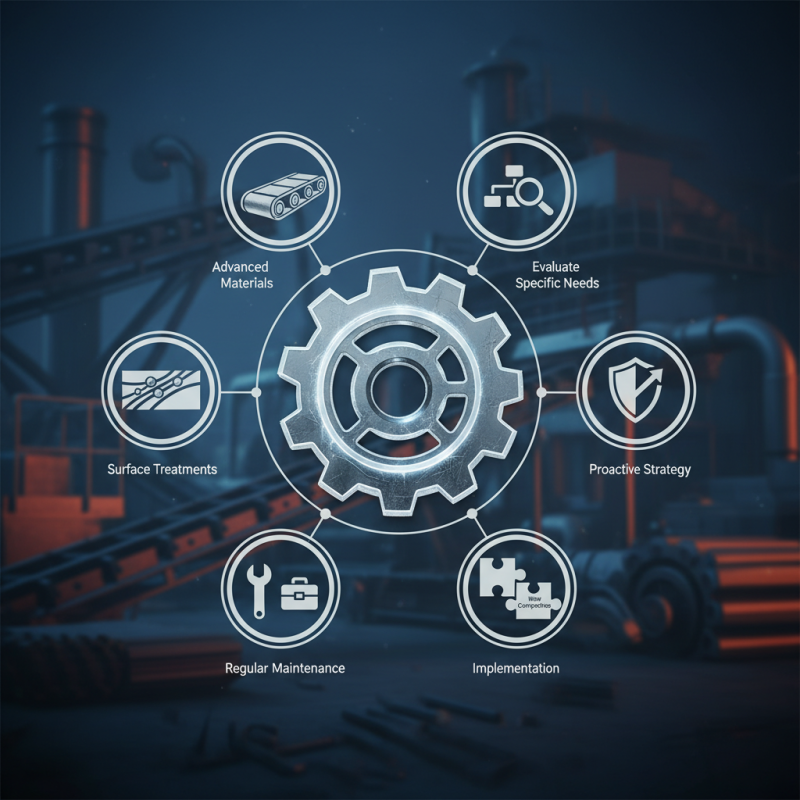
The reality is that there isn't a one-size-fits-all solution. Companies must evaluate their specific needs. Many may overlook the importance of regular maintenance. In doing so, they miss out on opportunities to extend the lifespan of their equipment. A proactive strategy can significantly mitigate the impact of abrasion in tough conditions. Improving abrasion resistance in harsh industrial environments starts with informed choices and ongoing commitment.
Best Materials for Enhancing Abrasion Resistance in Industrial Settings
In harsh industrial environments, selecting the right materials is crucial for enhancing abrasion resistance. Tough materials like hardened steel are often favored. They withstand wear and tear effectively. Advanced ceramic composites offer excellent resistance. They excel in environments where metal might fail. These materials are more brittle, though, and require careful handling.
Another option is rubber-based compounds, which provide flexibility. They absorb shock and reduce impact damage. However, they may wear out faster under extreme conditions. Selecting the right rubber can be challenging, as not all offer the same durability.
In some industries, composite materials are gaining traction. They can combine the best qualities of different substances. Yet, their performance can vary depending on the application. It's essential to test these combinations in specific settings. This approach offers opportunities but comes with risks. Understanding the limitations of each material is vital for improvement.
Surface Treatments and Coatings to Improve Durability Against Abrasion
In harsh industrial environments, surface treatments can significantly enhance abrasion resistance. Coatings such as epoxy or polyurethane add a protective layer. These materials are tough and help prevent wear. For instance, an epoxy coating may extend the lifespan of machinery components. However, applying these coatings requires precision and time. Overlooking preparation can lead to failure.
Thermal spray coatings are another effective option. They involve spraying molten materials onto surfaces. This technique creates a robust layer, resistant to impacts and abrasion. However, this method can introduce inconsistencies. Achieving the right thickness is critical but challenging. An improperly applied coating can lead to unprotected areas.
Additionally, surface hardening techniques like induction hardening provide another solution. This process increases the hardness of metal surfaces. It enhances durability under stress, but monitoring is essential. Too much heat can lead to warping. Understanding the material properties is vital to avoid unintended consequences. Balancing these treatments with practical application is key to achieving optimal abrasion resistance.
Best Ways to Improve Abrasion Resistance in Harsh Industrial Environments
Design Considerations for Minimizing Abrasion in Equipment and Tools
In harsh industrial environments, equipment faces relentless wear and tear from abrasion. To counteract this, design considerations become critical. One effective strategy is selecting materials known for their high abrasion resistance. For instance, studies show that hard coatings, like tungsten carbide, increase tool life significantly by up to 300%. This choice can prove essential when machinery operates in challenging conditions.
Additionally, optimizing the geometry of tools and equipment is vital. Curved surfaces tend to distribute stress more evenly. This simple change can reduce localized wear. Maintaining minimal contact between parts can also help. Research indicates that reducing friction can extend the lifespan of components by nearly 40%. Flexibility in design might not always be feasible; reconsideration of close tolerances may be necessary.
It's important to recognize that even the best designs may still experience issues. Regular maintenance is often overlooked. Abrasion can wear down even the finest materials if left unchecked. Data from industry reports highlight that up to 20% of downtime can stem from inadequate maintenance practices. Continuous evaluation of design effectiveness is needed to adapt to evolving operational challenges.
Regular Maintenance Practices to Enhance Abrasion Resistance Over Time
In harsh industrial environments, regular maintenance is key. Keeping equipment in pristine condition can significantly enhance abrasion resistance.
Create a schedule for routine checks and upkeep. Regular inspections help identify wear and tear early, preventing extensive damage.
Implementing proper cleaning practices is crucial. Dust and debris can increase friction, leading to accelerated wear.
Use soft brushes or air compressors to remove build-up. Ensure that all parts are accessible for regular cleaning.
Tips for maintaining equipment include using protective coatings.
These create a barrier against abrasion. Training workers on best practices also aids in preserving equipment longevity.
Encourage staff to report any irregularities immediately. Regular communication can lead to timely interventions.
Additionally, documenting maintenance activities helps track performance over time.
This reflection allows you to adjust practices as needed. Stay proactive, not reactive.
Innovative Technologies for Monitoring and Testing Abrasion Resistance
In harsh industrial environments, monitoring and testing abrasion resistance is crucial. Innovative technologies play a vital role. For instance, advanced wearable sensors can track material wear in real-time. These sensors provide immediate data, allowing for quick adjustments in operations. According to recent industry reports, using real-time monitoring can reduce maintenance costs by up to 20%.
Testing methods have evolved, too. Traditional abrasion tests often fail to simulate actual working conditions. Newer approaches, like laser scanning and 3D imaging, offer more accurate assessments. These technologies identify weaknesses in materials, allowing engineers to make informed decisions. Data from testing can foster collaboration, leading to improved material design.
Tips:
- Regularly calibrate monitoring devices. This ensures accuracy.
- Review data frequently for patterns in wear.
- Lastly, involve your team in discussing findings. They might offer insights that data alone cannot provide.
- Rethink current testing methods. Are they really representative of your environment?
FAQS
: Tough materials like hardened steel are often preferred. Advanced ceramic composites provide excellent resistance but can be brittle.
Rubber compounds add flexibility and absorb shock. However, their lifespan may shorten in extreme conditions.
Composite materials combine different substances. Their performance varies, so it's essential to test them in specific applications.
Coatings like epoxy or polyurethane create protective layers that extend the lifespan of machinery components.
Precision is key in application. Poor preparation can lead to coating failure and unprotected areas.
Thermal spray coatings create robust layers resistant to abrasion. However, achieving consistent thickness can be challenging.
Induction hardening increases metal surface hardness. Yet, it requires careful monitoring to avoid warping.
Monitoring provides real-time data on material wear, helping to reduce maintenance costs significantly.
New approaches like laser scanning and 3D imaging offer more accurate assessments than traditional methods.
Ensure tests represent actual working conditions. Regular calibration can improve accuracy and lead to better material design.
Conclusion
In order to improve abrasion resistance in harsh industrial environments, selecting the best materials is crucial. Durable materials, such as high-performance alloys or composites, can significantly enhance the longevity of equipment. Additionally, the application of surface treatments and coatings, like hardening processes or ceramic coatings, can provide an extra layer of protection against wear and tear.
Design considerations should not be overlooked; optimizing the shape and configuration of tools can help minimize contact stress and abrasion. Regular maintenance practices, including inspections and timely repairs, play a vital role in sustaining abrasion resistance over time. Moreover, the integration of innovative technologies for monitoring and testing can offer insights into the performance of materials, enabling proactive measures to extend the lifespan of equipment in demanding industrial settings.

 Xingli Industrial Ceramics