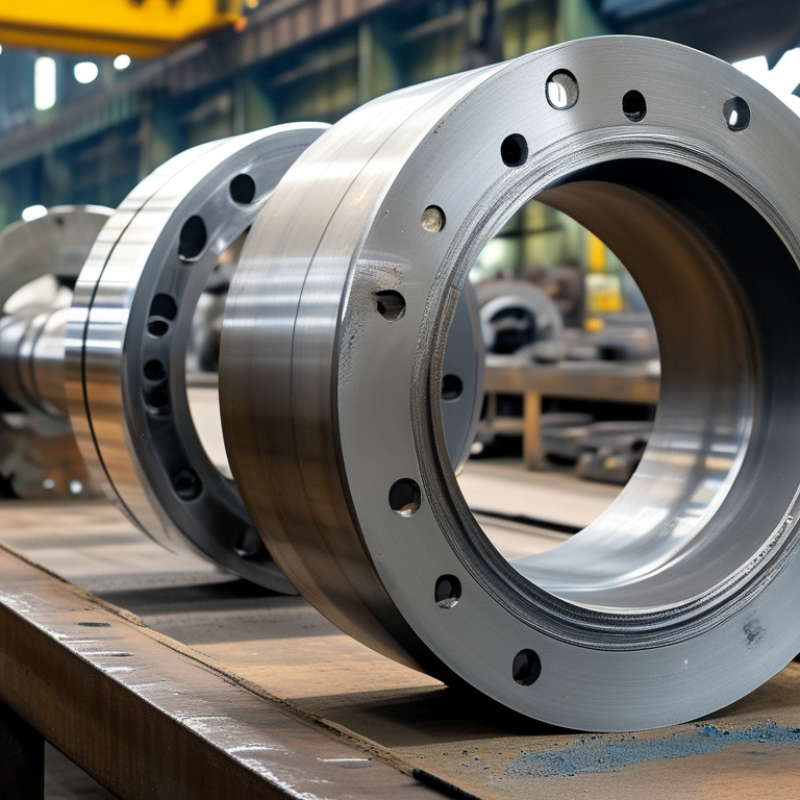
Why Improve Wear Resistance of Industrial Steel Components?

Time:2026-03-20 Author:Liam
0%

In the industrial sector, wear resistance is crucial for steel components. Equipment faces harsh environments. Steel parts endure friction and abrasion daily. To prolong their lifespan, it’s essential to improve wear resistance of industrial steel components.

The demand for durable materials is increasing. Industries rely on steel components for their reliability and performance. Machines can fail due to excessive wear and tear. This can lead to costly downtime and repairs. Improving wear resistance can mitigate these issues.

However, not all methods achieve desired results. Various treatments exist, but their effectiveness can vary. Companies must consider cost, longevity, and material compatibility. A reflective approach is necessary to find the best solutions. Improving wear resistance is not just a goal; it's a journey requiring constant evaluation and adaptation.

Why Improve Wear Resistance of Industrial Steel Components?

Importance of Wear Resistance in Industrial Steel Components

Wear resistance plays a critical role in the longevity of industrial steel components. Enhanced wear resistance can lead to lower operational costs and less downtime. According to industry reports, about 70% of component failures result from wear and tear. This highlights the importance of investing in materials that resist abrasive environments.

Using the right materials can significantly improve performance. Steel components with higher hardness demonstrate better wear resistance. A study showed that components with a hardness of at least HRC 60 last 30% longer in high-wear applications. However, achieving this hardness can be challenging. The manufacturing process must be closely monitored to prevent defects.

Tips: Consider surface treatments. Techniques like hardening can improve wear resistance effectively. Regular maintenance is also crucial. Inspecting components for wear early can prevent costly replacements. Remember, not all steel grades are equal. Choose wisely based on specific application needs.

Common Applications of Wear-Resistant Steel Components

In industries such as mining, construction, and manufacturing, wear-resistant steel components play a crucial role. These components endure harsh conditions and frequent abrasion. According to a recent report by the International Journal of Materials Science, nearly 60% of machinery failures result from excessive wear. Therefore, utilizing high-performance wear-resistant materials can significantly prolong equipment lifespan.

Common applications include mining equipment, where parts like shovels and liners face relentless stress. For instance, a study indicated that companies using wear-resistant steel in their excavators reported a 30% decrease in maintenance costs. Moreover, in the construction sector, wear-resistant steels are vital for ensuring the durability of bulldozer blades and quarrying tools. These applications demonstrate how wear resistance isn't just beneficial; it's necessary.

However, achieving optimal wear resistance remains a challenge. Many manufacturers struggle with balancing toughness and hardness. A focus on specific alloy compositions can enhance performance, but not all options yield the desired results. This inconsistency in material performance raises questions about industry standards. As industries evolve, greater attention must be paid to developing reliable, wear-resistant solutions that meet both safety and efficiency requirements.

Factors Affecting Wear Resistance in Steel Materials

Wear resistance is a crucial factor in the longevity of industrial steel components. Several factors influence this property. One key factor is the composition of the steel. Alloys can enhance hardness and durability. However, striking the right balance is challenging. Too much alloying can lead to brittleness.

Surface treatments also play a vital role in improving wear resistance. Coatings and hardening processes can significantly enhance performance. Yet, applying these methods may bear additional costs. Maintenance becomes an important consideration. Regular checks are necessary to determine wear levels and integrity.

Tips: Always evaluate the operational conditions. Varying environments can affect wear rates differently. Consider life cycles when choosing materials. Proper selection can reduce costly replacements. Testing components under real-world conditions can prevent unexpected failures. Prioritize routine inspections to ensure optimal performance.

Methods for Enhancing Wear Resistance in Steel Components

Wear resistance is crucial for industrial steel components. Various methods can enhance their durability. Coating, heat treatment, and material selection are common techniques. Each method has unique benefits and limitations.

Applying coatings is a popular choice. Hard coatings can significantly increase surface hardness. However, the adhesion between the coating and steel is vital. Poor adhesion can lead to premature failure.

Heat treatment can also improve wear resistance. This involves heating the steel and then cooling it. Different cooling rates can yield various hardness levels. Yet, overheating can cause brittleness.

Tips: Regularly inspect components for signs of wear. Keeping an eye on their performance can help prevent unexpected failures. Make adjustments accordingly, and don't hesitate to try different treatment methods. Each steel component may respond differently. Understanding your specific needs is key to success.

Why Improve Wear Resistance of Industrial Steel Components?

Method Description Benefits Common Applications
Hardening The process of increasing the hardness and strength of steel through heat treatment. Improved load-bearing capacity and resistance to wear. Gears, axles, and cutting tools.
Coating Application of a hard protective layer over steel components. Enhanced corrosion resistance and decreased friction. Pumps, valves, and hydraulic components.
Surface Hardening Methods like induction hardening to enhance surface hardness without altering core properties. Improved wear resistance with retained toughness. Turbine blades, axles, and bearings.
Alloying Incorporating other metals to improve the properties of steel. Increased strength, hardness, and toughness. Construction gears and mining machinery.

Economic Benefits of Improved Wear Resistance in Industry

Improving wear resistance in industrial steel components can lead to significant economic benefits. When machinery and tools resist wear effectively, they last longer. This longevity reduces the need for frequent replacements. For manufacturers, fewer breakdowns mean increased productivity. Labor costs decrease as maintenance schedules become less frequent.

Furthermore, durable components can withstand harsher environments. This resilience helps in minimizing downtime. For example, a machine that operates without interruptions generates more output over time. Each day of uninterrupted operation translates to increased revenue.

It’s also essential to think about the costs of disposal. Worn-out steel components contribute to waste and environmental issues.

However, enhancing wear resistance may involve higher upfront costs. Some companies may hesitate to invest in advanced materials. They fear it might strain budgets in the short term. Yet, the long-term savings often outweigh these initial expenses.

Focusing on wear resistance can be a transformative choice for companies. The potential for increased efficiency is substantial. Balancing performance and cost is crucial in this journey.

FAQS

: What is wear resistance in industrial steel components?

: Wear resistance refers to a material's ability to withstand abrasion and prolong its lifespan.

Why is wear resistance important?

It reduces operational costs and downtime, preventing failures that lead to production stoppages.

How does hardness affect wear resistance?

Steel components with higher hardness, like HRC 60, last 30% longer in high-wear environments.

What can enhance wear resistance?

Surface treatments, such as hardening, effectively improve wear resistance and extend component life.

How does improved wear resistance impact productivity?

Durable components reduce the need for frequent replacements, leading to increased productivity and lower labor costs.

What are the economic benefits of investing in wear resistance?

Long-lasting machines minimize breakdowns, leading to higher revenue and reduced disposal costs.

Are there challenges in achieving high wear resistance?

Yes, monitoring the manufacturing process is critical to prevent defects during production.

What should companies consider before investing in wear resistance?

They should balance initial costs with long-term savings and consider specific application needs.

Can lack of maintenance affect wear resistance?

Absolutely. Regular inspections can prevent costly replacements by identifying wear early.

What might deter companies from investing in advanced materials?

Concerns about immediate budgets may prevent investment, even though long-term benefits can be substantial.

Conclusion

Improving wear resistance of industrial steel components is crucial for enhancing operational efficiency and extending the lifespan of machinery and tools. The importance of wear resistance lies in its ability to reduce maintenance costs, minimize downtime, and ensure reliability in various applications, such as mining, construction, and manufacturing. Factors such as material composition, surface treatments, and heat treatment processes significantly influence the wear resistance of steel materials.

To enhance the wear resistance of industrial steel components, methods such as alloying, surface hardening, and the application of protective coatings can be employed. These improvements not only lead to better performance but also translate into significant economic benefits for industries by lowering replacement frequency and enhancing productivity. Overall, focusing on wear resistance is essential for maintaining competitive advantage in the industrial sector.

Liam

Liam

Liam is a dedicated marketing professional with a profound expertise in the industry, where he excels at highlighting the unique advantages of our core products. With a keen understanding of market trends and consumer needs, Liam frequently updates our company’s professional blog, providing......