How to Improve Impact Resistance of Industrial Lining Materials?

Time:2026-05-09 Author:Sophia
0%

Industrial applications often face harsh conditions. One significant challenge is the impact resistance of lining materials used in various sectors. Manufacturers strive to improve impact resistance of industrial lining materials. This enhancement can lead to greater safety and longevity in operations.

Various factors influence the performance of lining materials. These include material composition, thickness, and application methods. Innovations in technology offer new solutions. For instance, advanced polymers show promise in enhancing durability. However, not all approaches are effective. Each material has its limitations and may require thorough testing to validate claims.

Improving impact resistance isn't a one-size-fits-all solution. Different environments demand tailored strategies. It's essential to consider specific operational needs. A collaborative approach with material experts can yield the best results. Addressing these challenges is crucial for operational efficiency and safety in industrial settings.
How to Improve Impact Resistance of Industrial Lining Materials?

Materials Selection for Enhanced Impact Resistance in Industrial Linings

Choosing the right materials for industrial linings is critical for enhancing impact resistance. Research indicates that materials like polyurethane and epoxy can significantly boost resistance levels. According to a recent industry report, these materials can withstand impacts over 50% better than traditional options.

However, simply selecting these materials is not enough. It’s essential to consider factors such as thickness and layering. A recent study found that a multi-layer approach can enhance durability by up to 30%. Despite these developments, some manufacturers continue to overlook these strategies. They often prioritize cost over performance, which can lead to higher long-term expenses due to premature failure.

Understanding the specific environmental conditions is also key. For instance, temperature fluctuations can affect material properties. An independent analysis noted that under extreme conditions, even the most robust materials could fail without proper design. Striking the right balance between performance and cost remains a challenge. Engaging with professionals who focus on these aspects is critical for improving impact resistance.

Design Considerations for Impact-Resistant Lining Systems

When designing impact-resistant lining systems, it's vital to consider material selection. The choice of materials affects durability and overall performance. Using composite materials can enhance resistance. These materials often combine the best attributes of their components, providing added strength against impact.

Thickening areas prone to impact is another effective strategy. Reinforced designs not only absorb energy but also distribute it evenly. However, over-reinforcing can lead to weight issues and complicate installation. Finding that balance is crucial for effective functionality.

Incorporating cushioning layers can also help. They provide additional shock absorption. The design must consider the environment and specific impact risks. Adjusting the lining's flexibility may improve resistance. Yet, it could compromise other properties. Continuous testing and iteration are essential for refining performance.

Impact Resistance of Industrial Lining Materials

Testing Methods for Evaluating Impact Resistance of Lining Materials

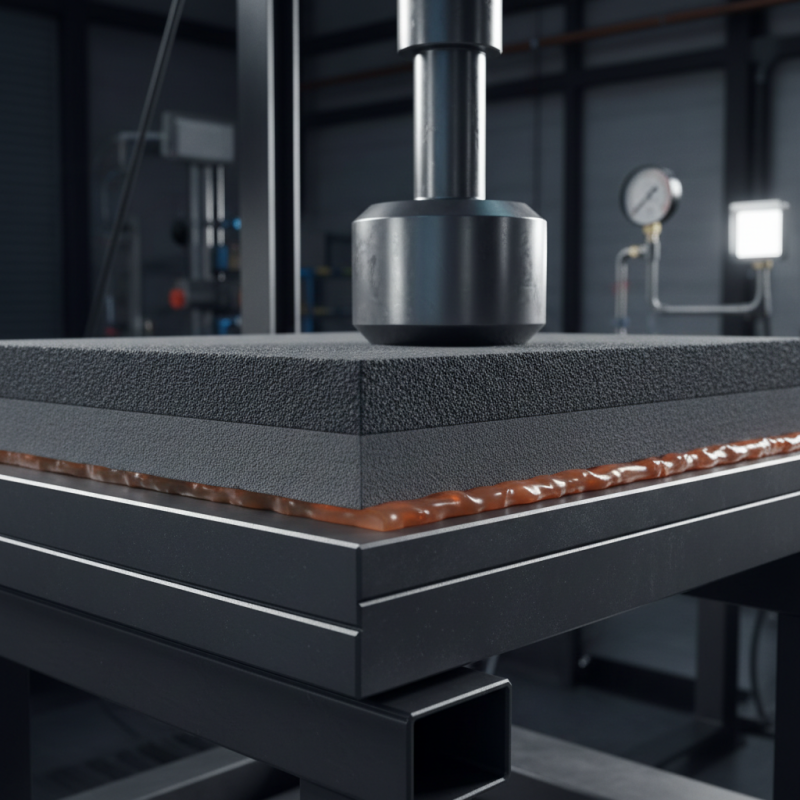
Evaluating the impact resistance of industrial lining materials is crucial for ensuring their longevity and effectiveness. Various testing methods exist that help determine how well these materials can withstand sudden forces. A common approach is the drop weight impact test. In this setup, a weight is dropped from a specific height onto the material. The results indicate how much energy the material can absorb before failure.

Another method is the pendulum impact test. This involves a swinging pendulum striking the lining material, measuring its ability to resist damage. The data obtained helps in comparing different materials and understanding how they perform under stress. However, these tests may not perfectly replicate real-world conditions. Factors like temperature and environmental exposure can affect materials differently than standardized tests suggest.

Using multiple testing methods can provide a more rounded evaluation of a material's impact resistance. It's essential for manufacturers to review these testing results critically. Relying solely on one method may lead to an incomplete understanding of a product's durability. Continuous improvements in testing techniques could help identify better lining materials. Investing in reliable testing processes is vital for optimizing industrial applications.

Application of Advanced Coatings to Improve Lining Durability

Advanced coatings significantly enhance the durability of industrial lining materials. These coatings offer protection against impacts, chemicals, and wear. A recent report from the Coating Industry Association highlights that coatings can increase the lifespan of linings by up to 50%. This improvement translates to fewer replacements and reduced downtime in operations.

The application of innovative polymer-based coatings is gaining traction. These coatings adhere tightly to surfaces, providing a tough, resilient layer. Studies show that linings treated with advanced coatings experience 30% less abrasion. These figures emphasize the importance of investing in quality coatings. An initial cost may pose a challenge, but the long-term savings are considerable.

Despite these advancements, challenges remain. Not all coatings perform well in every environment. Factors such as temperature and chemical exposure can affect their effectiveness. Ongoing research is crucial to address these limitations. Ensuring that coatings can withstand varying operational demands will enhance their reliability in industrial applications.

Maintenance and Repair Strategies for Impact-Resistant Linings

Maintaining and repairing impact-resistant linings requires a strategic approach. Regular inspections can identify damage early. A study from the Industrial Lining Association revealed that 40% of industrial lining failures stem from insufficient maintenance. Such failures can lead to costly downtime and reduced productivity.

Most linings endure harsh conditions. Therefore, it’s essential to assess wear patterns and impact areas routinely. Users should create a maintenance schedule based on real-time wear data. This approach can optimize the lifespan of the lining materials. Filling in cracks and applying protective coatings are effective repair methods. However, over-reliance on quick fixes can mask underlying issues.

Choosing the right repair material is critical. Materials should match the original lining’s specifications closely. Misaligned repairs could lead to failures, as highlighted in a recent report that noted 30% of repair jobs failed due to mismatched materials. Regular training for maintenance personnel can enhance their understanding of material properties and best practices. Investing in training, while sometimes seen as an expense, can prevent significant costs in the long run.

How to Improve Impact Resistance of Industrial Lining Materials? - Maintenance and Repair Strategies for Impact-Resistant Linings

Strategy Material Type Expected Impact Resistance Maintenance Frequency Repair Method
Regular Inspection Polyurethane Lining High Quarterly Patch with adhesive
Reinforcement Steel Composite Very High Biannually Replace affected sections
Surface Treatment Ceramic Coating High Annually Reapply coating
Shock Absorbent Layer Rubber Matting Moderate As needed Replace damaged mats
Regular Cleaning Epoxy Lining High Monthly Repair minor scratches

FAQS

: What is the drop weight impact test?

: This test drops a weight from a height onto the material. It measures how much energy the material absorbs before failure.

How does the pendulum impact test work?

A swinging pendulum strikes the lining material. This method assesses the material's ability to resist impact damage.

Why is it important to use multiple testing methods?

Different tests provide a complete picture of material durability. Relying on one method may lead to missed information.

What improvements do advanced coatings offer?

Coatings protect lining materials from impacts and chemicals. They can increase the lifespan of linings by up to 50%.

What materials are often used for advanced coatings?

Innovative polymer-based coatings are increasingly popular. They adhere tightly and create a tough, resilient surface layer.

What are the challenges faced by advanced coatings?

Not all coatings perform consistently in every environment. Temperature and chemical exposure can limit their effectiveness.

How much less abrasion do advanced coatings produce?

Studies indicate that linings with advanced coatings experience 30% less abrasion. This highlights their protective capabilities.

Is the initial investment in advanced coatings justified?

While upfront costs may be high, long-term savings from fewer replacements can be substantial.

What role does ongoing research play in coating development?

Continuous research aims to improve coatings' effectiveness in varied environments. It helps enhance their reliability in industry.

How can manufacturers assess testing results effectively?

They should review results critically to understand the material's durability better. Relying solely on one test may overlook key factors.

Conclusion

To improve impact resistance of industrial lining materials, a comprehensive approach is essential. The selection of suitable materials is critical, considering factors such as strength, elasticity, and abrasion resistance. Design considerations also play a significant role; engineers should optimize thickness and geometry to enhance protective capabilities. Additionally, employing advanced testing methods allows for accurate evaluation of the impact resistance of various lining materials, ensuring they meet operational demands.

Moreover, incorporating advanced coatings can significantly extend the durability of linings, providing an extra layer of protection against impact and wear. Lastly, regular maintenance and timely repair strategies are crucial for ensuring that the linings retain their impact-resistant properties over time. By following these guidelines, industries can effectively improve the overall performance and longevity of their lining systems, ensuring enhanced protection in demanding environments.

Sophia

Sophia

Sophia is a dedicated marketing professional with an exceptional depth of knowledge about her company's products and services. With a keen understanding of market trends and customer needs, she crafts insightful blog posts that not only inform but also engage readers, enriching the company’s online......