Top 10 Ways to Enhance Steel-Ceramic Composites for Harsh Conditions?

Time:2026-06-27 Author:Mason
0%

Steel-ceramic composites have become essential in various industries where durability is key. These materials combine the high strength of steel with the hardness of ceramics. However, they often face challenges in harsh environments. To enhance adaptability of steel-ceramic composites to harsh conditions, innovative strategies are necessary.

The extreme temperatures, corrosive substances, and mechanical stresses in these environments can weaken materials. Therefore, enhancing the resilience of these composites is critical. Approaches such as optimizing the composition and improving their microstructure show promise. Research indicates that the right balance of materials can significantly increase resistance to wear and thermal shock.

Addressing these challenges requires ongoing innovation and collaboration among experts. By focusing on the specific environmental factors impacting performance, manufacturers can create composites that truly meet the demands of harsh conditions. Continuous improvement can lead to breakthroughs that redefine what these materials can achieve.
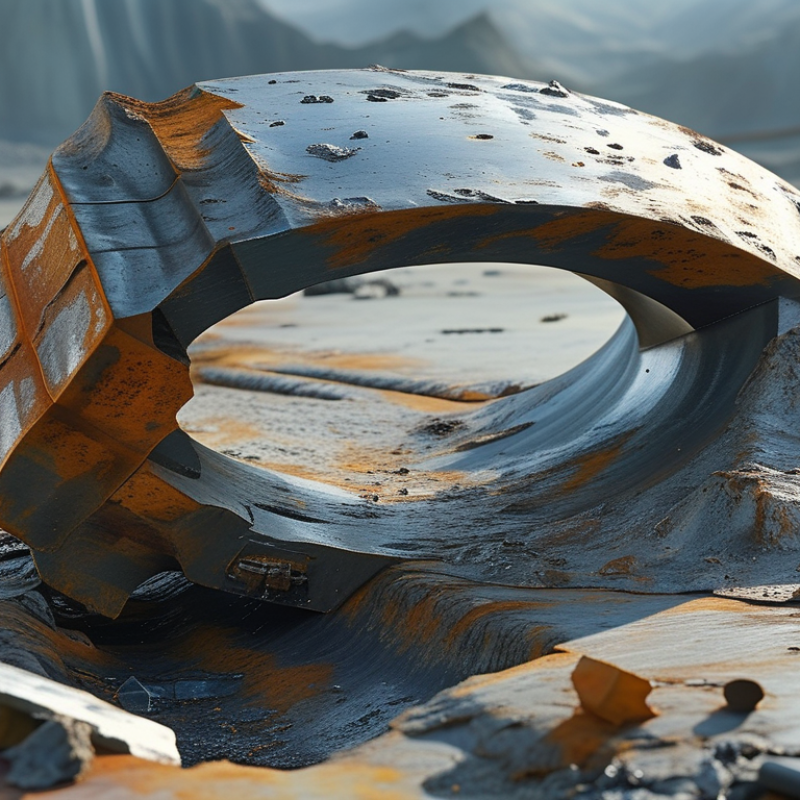
Top 10 Ways to Enhance Steel-Ceramic Composites for Harsh Conditions?

Understanding the Importance of Steel-Ceramic Composites in Harsh Environments

Steel-ceramic composites are vital in extreme environments. Their unique properties make them suitable for applications where traditional materials fail. These composites combine the strength of steel with the hardness of ceramics. They can withstand high temperatures and resist wear and corrosion effectively.

In industries like aerospace and oil and gas, these materials play a crucial role. They protect equipment from harsh chemicals and extreme heat. However, developing these composites can present challenges. Achieving the right balance of materials is essential for optimal performance. Each application may require different compositions and manufacturing techniques.

Researchers are exploring innovative ways to enhance these composites. For instance, testing new bonding methods can improve durability. Additionally, optimizing the microstructure can lead to better performance under stress. As advancements continue, the potential for these materials expands. But constant evaluation and adaptation are necessary to meet evolving needs.

Key Properties of Steel-Ceramic Composites for Enhanced Performance

Steel-ceramic composites are increasingly recognized for their unique properties. These materials combine the toughness of steel with the heat resistance of ceramics. They are vital in environments that experience extreme temperature and pressure variations. Research suggests that these composites can withstand temperatures exceeding 1,000 degrees Celsius while maintaining structural integrity.

Key properties include high wear resistance and excellent thermal stability. According to industry reports, steel-ceramic composites can reduce wear rates by up to 50% compared to traditional metals. This makes them ideal for applications in aerospace and automotive industries, where durability is paramount.

Tip: To enhance performance, consider optimizing the ceramic phase's composition. A balanced combination of alumina and zirconia can lead to improved toughness. Regularly testing the composites under real-world conditions helps in identifying potential weaknesses.

The production process also affects properties. For instance, variations in sintering temperature can alter the microstructure. A finer microstructure often improves mechanical strength. However, achieving this balance requires careful control and may lead to production inconsistencies.

Tip: Implement quality control measures to ensure consistency. Documenting the entire manufacturing process can aid in replicating successful batches and identifying problems early.

Top 10 Ways to Enhance Steel-Ceramic Composites for Harsh Conditions

Innovative Methods to Improve Bonding Between Steel and Ceramic Materials

Enhancing bonding between steel and ceramic materials in composites is critical for applications in extreme conditions. One key innovative method involves surface treatments. Studies indicate that applying various surface coatings can significantly improve interfacial bonding. Techniques such as plasma spraying provide enhanced adhesion and wear resistance, allowing materials to endure harsh environments.

Another effective strategy is the use of microstructural design. By manipulating the microstructure at the interface, researchers have seen improved bonding strength. For instance, introducing a gradient zone with varying compositions can help bridge the properties of steel and ceramics. This method addresses potential stress concentration points during thermal expansion.

Adhesive bonding presents additional opportunities for enhancement. The right adhesive can fill gaps and bond differently composed materials. However, selecting an adhesive that handles the thermal and mechanical stresses of harsh conditions is challenging. Critical testing is necessary, as not all adhesives perform reliably over time. Ultimately, these innovative approaches aim to optimize the performance of steel-ceramic composites, but ongoing research is vital for ensuring reliability in real-world applications.

Evaluation of Thermal and Mechanical Treatments for Composite Strength

In the pursuit of enhancing steel-ceramic composites for extreme environments, evaluation of thermal and mechanical treatments is essential. These treatments can significantly improve the material's performance. For example, specialized heat treatments can refine the microstructure. This results in increased toughness and strength. Additionally, mechanical procedures like forging and rolling can enhance density. Greater density leads to improved wear resistance and durability.

Investigating these treatments requires careful consideration of various factors. Not all methods yield positive results. Some thermal processes might lead to unwanted phase transformations. Similarly, mechanical treatments must be applied cautiously, as excessive deformation can introduce weaknesses. This complexity highlights the importance of empirical research. Gathering data from controlled experiments helps in understanding the effects of each method.

The relationship between thermal and mechanical treatments and composite strength is intricate. A balance must be achieved to optimize properties. Overemphasis on one aspect may compromise overall performance. Ongoing research and tests will refine approaches further. Ultimately, the goal is to develop composites that withstand harsh conditions without sacrificing reliability. This area remains ripe for exploration and innovation.

Top 10 Ways to Enhance Steel-Ceramic Composites for Harsh Conditions

Method Description Thermal Treatment Mechanical Treatment Expected Improvement
Alumina Reinforcement Incorporating alumina particles to enhance wear resistance. Heat treatment at 1200°C for 2 hours. Increase in flexural strength by 30%. Improved toughness and hardness.
SiC Addition Adding silicon carbide for better thermal stability. Sintering at 1400°C. Enhances compressive strength. Higher wear resistance.
Composite Coatings Applying composite coatings for corrosion resistance. N/A Laser surface hardening technique. Increased lifespan in corrosive environments.
Grain Refinement Refining grain structure to improve mechanical properties. Controlled cooling during solidification. Rolling and forging process. Enhanced ductility and toughness.
Thermal Shock Resistance Improving toughness against rapid temperature changes. Heat treatments to induce compressive stresses. Impact loading tests. Reduced crack propagation.
Dual-Phase Structure Creating a dual-phase matrix for enhanced toughness. Heat treatment to obtain austenite-martensite structure. Cold rolling post sintering. Increased impact resistance.
Hybrid Composites Combining different types of reinforcements. High-temperature sintering. Mechanical mixing techniques. Targeted enhancement of specific properties.
Microstructural Control Manipulating microstructure to optimize performance. Thermal cycling. Stress relieving processes. Balanced mechanical properties.
Fatigue Resistance Improvement Enhancing material performance under repetitive loads. Stress testing at varying temperatures. Dynamic loading conditions. Longer operational life.
Surface Treatments Applying treatments to enhance surface properties. N/A Shot peening or hard anodizing. Increased wear and corrosion resistance.

Future Trends: Advancements in Steel-Ceramic Composite Technology

Steel-ceramic composites are gaining attention for their ability to withstand severe environments. Future trends indicate significant advancements in this field. New research shows that integrating advanced ceramic materials can significantly enhance durability. A recent industry report noted that such composites can improve wear resistance by up to 50%. This advancement is crucial for applications in aerospace and manufacturing.

Another area of interest is the development of hybrid composites. Scientists are experimenting with different combinations of metals and ceramics. This innovation aims to achieve optimal mechanical properties while reducing weight. One study highlighted that certain hybrids could maintain structural integrity under extreme temperatures. However, these advancements also present challenges. The production cost remains a significant barrier, with estimates showing potential increases of 10-20% in manufacturing expenses.

Despite these challenges, the drive for innovation continues. Steel-ceramic composites hold promise for future applications in more demanding environments. Industry experts emphasize the need for ongoing research. Identifying optimal combinations of materials is essential. Balancing performance with cost-effectiveness is a complex journey. Attention to these factors will shape the landscape of steel-ceramic composite technology.

FAQS

: What are steel-ceramic composites used for?

: They are used in extreme environments where traditional materials can't perform well.

What properties do steel-ceramic composites have?

They combine the strength of steel with the hardness of ceramics, resisting wear and corrosion.

Why is bonding crucial in steel-ceramic composites?

Strong bonding ensures durability and effective performance in harsh conditions.

How can interfacial bonding between materials be improved?

Surface treatments and coatings can enhance adhesion and protect against wear.

What challenges do researchers face in developing these composites?

Finding the right material balance and ensuring reliable adhesion under stress is complex.

What advancements are shaping the future of steel-ceramic technology?

Integrating advanced ceramics and experimenting with hybrid composites show promising results.

Are the production costs of steel-ceramic composites rising?

Yes, the estimated increases range from 10-20%, posing challenges for manufacturers.

How does microstructural design enhance composite performance?

It improves bonding strength by creating a gradient zone to minimize stress points.

Why is ongoing research important in this field?

Continuous innovation is necessary to meet evolving needs and ensure reliability.

What impact do advanced ceramics have on durability?

They can improve wear resistance by up to 50%, essential for demanding applications.

Conclusion

Steel-ceramic composites play a crucial role in applications exposed to harsh environments due to their unique combination of strength and durability. To enhance adaptability of steel-ceramic composites to harsh conditions, it is essential to understand their key properties, which include exceptional mechanical strength and resistance to wear and corrosion. Innovative methods that improve bonding between steel and ceramic materials are vital for optimizing performance and longevity.

Thermal and mechanical treatments can significantly elevate the strength of these composites, ensuring they can withstand extreme temperatures and stress. Looking ahead, advancements in steel-ceramic composite technology are likely to introduce novel approaches and materials that further enhance their functionality. By focusing on these areas, we can continue to improve the resilience and efficiency of steel-ceramic composites in challenging environments.

Mason

Mason

Mason is a seasoned marketing professional with a deep expertise in the company's offerings and a passion for driving brand awareness. With a strong background in digital marketing strategies, he has an innate ability to connect with diverse audiences and effectively communicate product benefits.......