In today’s industrial landscape, safety is paramount. Many operators face challenges that stem from equipment wear and tear. This wear can lead to costly downtimes and, more critically, safety hazards. One promising solution is to enhance safety of industrial equipment with wear-resistant materials. These materials are designed to withstand extreme conditions, extending the lifespan of machinery.
Using wear-resistant materials reduces the risk of sudden equipment failures. However, not all materials provide the same level of protection. Choosing the right type requires knowledge of specific operational environments. For example, industries involving high friction or corrosion demand particular attention. It’s essential to evaluate equipment needs, ensuring that the selected materials meet safety standards.
While advancements in material technology offer solutions, challenges remain. The initial cost of wear-resistant materials can be high. Additionally, there is a continuous need for monitoring and maintenance. Decision-makers must weigh these factors carefully. Balancing costs against safety and efficiency is a complex task. Ultimately, investing in quality materials is a step forward in creating safer industrial environments.
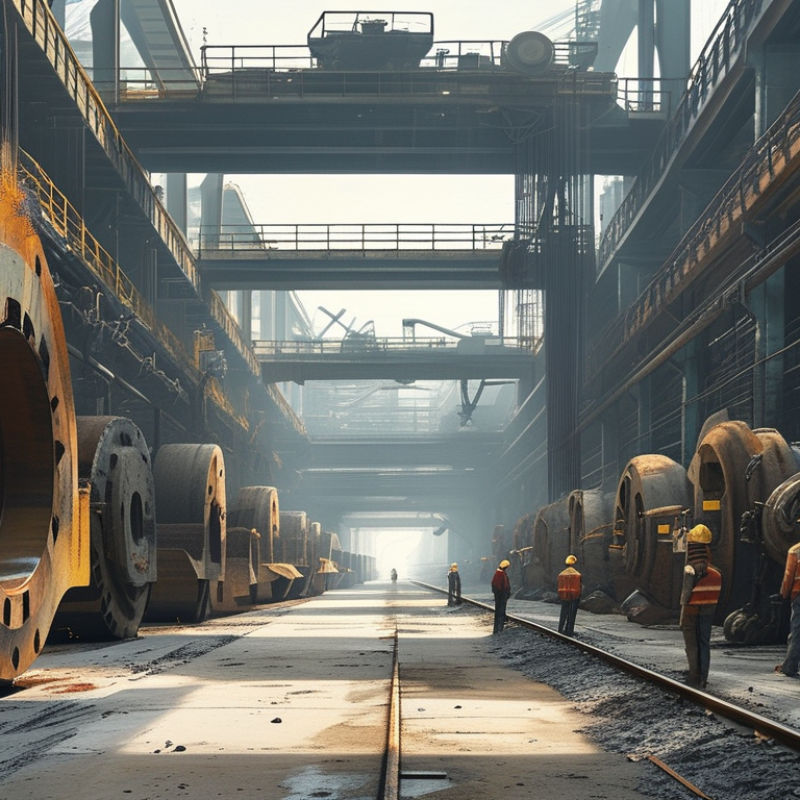
Wear-resistant materials play a crucial role in enhancing the safety and longevity of industrial equipment. These materials can significantly minimize wear and tear, which is vital for machinery operating under high stress. For instance, components made from high-strength alloys or ceramic composites often withstand extreme conditions better than others. Their ability to resist scratches and abrasions improves overall performance.
However, not all wear-resistant materials are suitable for every application. There are trade-offs to consider, such as cost and ease of fabrication. For example, while some advanced materials offer exceptional durability, they might also be more expensive and harder to work with. This poses a challenge for many manufacturers who must balance quality, cost, and safety.
Innovation in this field is continuous, yet there is room for improvement. Research into new composites could lead to even better solutions. Engineers must remain vigilant. Regular assessments of equipment and materials can help identify areas requiring upgrades. Over time, these improvements can lead to safer industrial environments and reduced downtime.
Wear-resistant materials play a crucial role in enhancing the safety and durability of industrial equipment. These materials are designed to withstand heavy use, harsh conditions, and wear over time. Various industries utilize different types of wear-resistant materials to meet their specific needs. For example, metals like hardened steel are favored in mining and construction.
They offer exceptional toughness and resist abrasion, making them ideal for heavy-duty applications.
In addition to metals, ceramics and polymers are also prominent in industrial settings. Ceramic materials are highly resistant to high temperatures and corrosion. They are often used in applications like hydraulic systems and pumps where wear protection is essential. Polymers, such as polyurethane, provide flexibility and impact resistance. They are commonly used in conveyor belts and other moving parts, where flexibility is a must.
Despite these advancements, some challenges remain. The choice of material must balance cost and performance. Not all applications require high-end materials, and sometimes cheaper alternatives suffice. Moreover, the maintenance of wear-resistant components can be overlooked. Regular inspections are key to prolonging lifespan and ensuring safety. Understanding how to effectively deploy these materials is vital for improving operational reliability.
Wear and tear are ever-present challenges in industrial equipment. Understanding the mechanisms behind these issues can significantly enhance safety and operational efficiency. As reported by the National Institute of Standards and Technology (NIST), over 30% of equipment failure is due to wear-related problems. This emphasizes the importance of addressing wear and tear to maintain equipment reliability.
Factors contributing to wear include friction, corrosion, and fatigue. Friction occurs between moving parts, generating heat and wear. Corrosion, often accelerated by harsh environments, deteriorates materials. Fatigue leads to cracks and eventual failure when materials are subjected to repeated stress. Regular inspections and maintenance can mitigate these issues.
**Tip:** Use advanced coatings or treatments to enhance wear resistance. This can extend the lifespan of key components.
Effective monitoring is essential. The implementation of predictive maintenance strategies can forecast equipment needs and reduce unexpected failures. However, many industries overlook the importance of analyzing wear patterns.
**Tip:** Conduct regular analysis of worn parts to identify common failure modes. This can inform better material choices and design improvements.
The use of wear-resistant materials in industrial equipment significantly enhances safety. These materials are engineered to withstand harsh conditions. They protect machinery from wear and tear, reducing the risk of equipment failure. This is crucial in environments where machinery operates under extreme stress.
Implementing wear-resistant materials leads to fewer breakdowns. Fewer breakdowns mean reduced downtime, which increases overall efficiency. However, the initial investment can be high. Companies must weigh costs against long-term savings. When equipment fails, the consequences can be severe. Accidents may occur, causing injuries or even fatalities. By using better materials, businesses prioritize worker safety.
Moreover, these materials often reduce the chances of accidents related to equipment malfunctions. They provide consistent performance over time, ensuring machinery operates as intended. Nevertheless, some industries may still struggle to adopt these innovations. Resistance to change can hinder progress. Awareness and education on the benefits of wear-resistant materials are essential for promoting safety in industrial environments.
| Aspect | Wear-Resistant Material Type | Benefit | Impact on Safety |
|---|---|---|---|
| Corrosion Resistance | Stainless Steel | Increased durability in harsh environments | Reduces failure risk of equipment |
| Wear Resistance | Ceramics | Extended lifespan of components | Minimizes sudden breakdowns |
| Impact Resistance | Polyurethane | Better shock absorption | Protects operators from accidents |
| Temperature Resistance | Titanium Alloys | Stability under extreme conditions | Enhances safety in high-heat applications |
| Friction Reduction | Bronze Alloys | Lower operational energy costs | Increases reliability of machinery |
Wear-resistant materials have dramatically improved safety and efficiency in industrial settings. According to a recent industry report, equipment failures due to wear and tear account for approximately 30% of unexpected downtimes in manufacturing plants. Implementing wear-resistant solutions can significantly reduce these incidents. Many companies have adopted high-performance alloys and composite materials, leading to increased operational lifespan of critical machinery.
A notable case is a mining company that switched to advanced ceramic matrix composites for their drill bits. Before this change, their drill bits experienced frequent failures, affecting productivity. After the upgrade, the lifespan of the drill bits increased by over 50%. Such practical applications demonstrate the tangible benefits of investing in wear-resistant solutions. However, the initial costs may deter some companies. This hesitation can lead to prolonged downtime and, ultimately, higher costs related to repairs and replacements.
Another interesting example is in the construction industry, where a contractor implemented wear-resistant liners in their heavy machinery. The project's results showed a reduction in maintenance costs by nearly 40%. While the long-term advantages are clear, firms must continuously assess the performance and reliability of these materials. Identifying potential weaknesses can help optimize equipment safety and prolong service life.
: They are materials designed to withstand heavy use and harsh conditions in industrial equipment.
They offer exceptional toughness and resist abrasion, making them ideal for mining and construction.
Ceramics resist high temperatures and corrosion, often used in hydraulic systems and pumps.
They provide flexibility and impact resistance, widely used in conveyor belts and moving parts.
Balancing cost and performance is crucial, not all applications need high-end materials.
They reduce wear and tear, lowering the risk of equipment failure and accidents.
Regular maintenance and inspections can be neglected, impacting their lifespan.
Yes, resistance to change in some industries can hinder progress toward improved safety.
The initial investment can be high; companies must consider long-term savings versus upfront costs.
Awareness and education are vital for promoting the benefits and improving safety in industrial environments.
The article discusses the importance of enhancing safety in industrial equipment through the application of wear-resistant materials. It begins with an overview of these materials, highlighting their critical role in various industries where equipment is subject to wear and tear. Different types of wear-resistant materials are explored, showcasing their specific applications and benefits.
Moreover, the article addresses the mechanisms behind wear and tear in industrial settings, emphasizing that implementing wear-resistant materials can significantly enhance the safety and longevity of equipment. The presentation of multiple case studies illustrates successful applications, demonstrating how such materials have led to improved operational efficiency and reduced downtime. Overall, the findings support the idea that industries can effectively enhance safety of industrial equipment with wear-resistant materials, paving the way for safer and more reliable operations.

Xingli Industrial Ceramics