In the industry of wear-resistant components, reliability is crucial. Experts emphasize the importance of enhancing this reliability. Dr. John Smith, a leading authority in material science, states, "Enhancing reliability of industrial wear-resistant components is key to improving overall efficiency." His insight highlights the necessity of investing in advanced technologies and materials.
These components must withstand extreme conditions, yet achieving greater durability remains a challenge. Innovations like nanostructured coatings can significantly improve performance, but they require further research. Many companies struggle to adopt these advancements, often facing setbacks in implementation.
Considering the complexities involved, a thorough understanding is essential. It’s not only about choosing the right materials but also about optimizing manufacturing processes. Continuous improvement and real-world testing are vital. As industries evolve, the pressure to Enhance reliability of industrial wear-resistant components grows. However, balancing innovation with practicality remains an ongoing struggle. This critical intersection defines the future of wear-resistant technology.
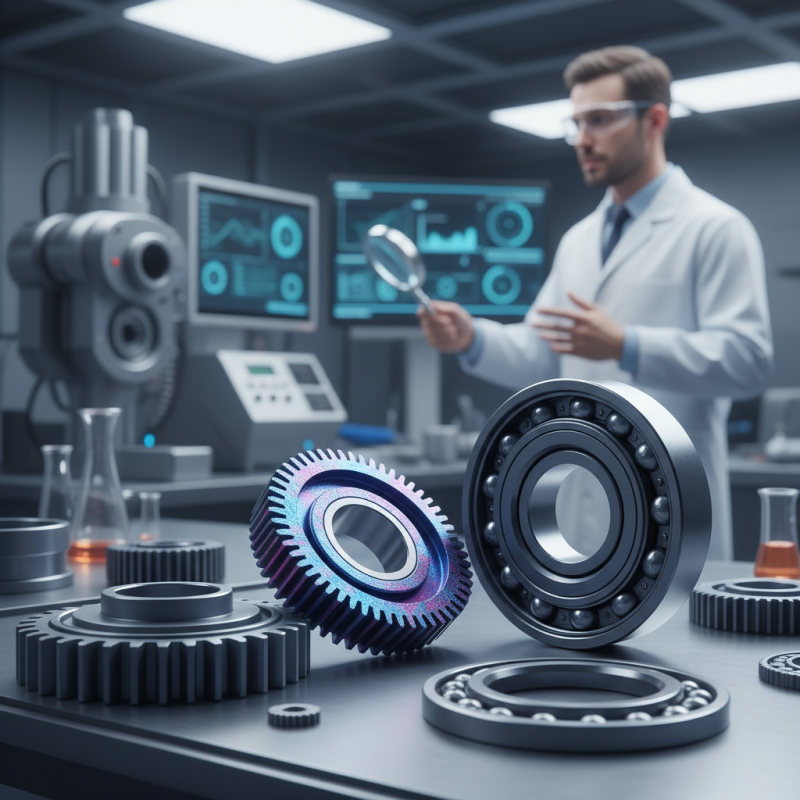
Understanding the Importance of Reliability in Wear Resistant Components
In the realm of industrial applications, the reliability of wear resistant components is paramount. These components are subjected to high stress and abrasion. When they fail, it can lead to costly downtimes and damaged machinery. The failure often stems from inadequate material selection or poor design. Even minor flaws can significantly affect performance over time.
Understanding the importance of reliability starts with acknowledging the harsh environments these components endure. Factors such as temperature fluctuations, pressure variations, and chemical exposure play a crucial role. It's essential to consider these elements during the design phase. Testing materials under simulated conditions can provide insights into potential weaknesses. Innovations in simulation technology can identify flaws before full-scale production.
However, many industries overlook post-installation assessments. Regular monitoring can help identify wear patterns early. This proactive approach is often underestimated. The challenge lies in developing a culture of reliability. Teams need training and resources to prioritize this aspect. The quest to enhance the reliability of components is ongoing. Small, consistent efforts can lead to significant long-term improvements.
Key Challenges Facing Industrial Wear Resistant Components Today
The reliability of industrial wear-resistant components faces significant challenges today. According to a recent report by the World Economic Forum, wear and tear in industrial components can lead to an estimated 5% productivity loss annually. This gap emphasizes the need for improved design and material selection.
Material degradation due to extreme operating conditions is one of the primary concerns. High temperatures and abrasive environments accelerate wear significantly, necessitating advanced coatings and composites. For instance, studies show that up to 70% of component failures occur due to inadequate material performance under stress. The industry often struggles with assessing the long-term durability of new materials. Relying solely on laboratory tests may not reflect real-world conditions.
Additionally, the supply chain for high-performance materials can be uncertain. Many manufacturers report delays and quality inconsistencies in sourcing wear-resistant materials. This circumstantial variability can compromise the reliability of components. Ongoing research aims to address these issues; however, the speed of innovation often fails to keep pace with market demands. Improving predictive maintenance strategies and establishing better supplier relationships could bridge this gap, but data shows implementation remains sporadic across industries.
Challenges in Enhancing Reliability of Industrial Wear Resistant Components
This chart illustrates the key challenges facing industrial wear resistant components today, with 'Material Degradation' ranked as the highest factor affecting reliability.
Innovative Materials Enhancing Durability and Performance in Industry
Innovative materials are transforming the industry, specifically in enhancing the durability of wear-resistant components.
According to a report by Grand View Research, the global advanced materials market is projected to reach
$1.25 trillion by 2025. This growth underscores the increasing demand for solutions
that can withstand harsh conditions. Industries are now turning to materials like ceramics,
composites, and high-performance alloys to address
these challenges effectively.
Ceramic materials, for example, are gaining traction due to their exceptional hardness and
thermal stability. Research indicates that ceramics can outperform traditional metals in specific applications, extending component life by
over 30%. Composites, on the other hand, are lightweight yet robust. They provide
excellent fatigue resistance, demonstrating significant potential in reducing maintenance costs by
up to 20%, according to the Materials Research Society.
Despite these advancements, challenges remain. The integration of new materials requires careful evaluation and testing. Not all innovations
yield the expected performance gains across different environments. There is also a risk of higher upfront costs, which can deter some
industries from adopting these technologies. Balancing cost with performance is essential for businesses aiming to enhance reliability
in their operations.
Statistical Analysis of Wear Rates in Critical Industrial Applications
Wear rates in industrial applications are critical metrics. Understanding these rates enables businesses to enhance component reliability. However, analyzing wear rates isn’t straightforward. It requires a comprehensive approach to gather relevant data.
Statistical analysis can reveal significant trends. For example, examining wear patterns over time helps identify which components fail prematurely. Factors such as material composition and environmental conditions play a huge role. In many cases, teams overlook these variables, leading to inaccurate conclusions. Keeping a rigorous data collection process is essential for reliability.
Moreover, various industries face unique wear challenges. The needs of heavy machinery differ vastly from those of precision tools. This means a one-size-fits-all approach doesn't work. Teams must delve deeper into their specific contexts. Using detailed wear rate data can guide material selection and maintenance strategies. It’s crucial to embrace a mindset open to questioning established practices.
Enhance Reliability of Industrial Wear Resistant Components Today? - Statistical Analysis of Wear Rates in Critical Industrial Applications
| Component Type |
Material Used |
Wear Rate (mm/year) |
Application Sector |
Lubrication Type |
| Pump Shaft |
Stainless Steel |
0.03 |
Chemical Processing |
Oil-based |
| Ball Bearing |
Ceramic |
0.01 |
Aerospace |
Grease |
| Gearbox |
High Carbon Steel |
0.05 |
Manufacturing |
Synthetic Oil |
| Conveyor Roller |
Rubber |
0.1 |
Logistics |
None |
| Valve Seat |
Alloy Steel |
0.04 |
Oil & Gas |
Oil-based |
Future Trends: Predictive Maintenance and IoT in Wear Component Reliability
Predictive maintenance is changing the landscape of industrial wear-resistant components. By using advanced data analytics, companies can anticipate equipment failures before they occur. This proactive approach helps in minimizing unexpected downtime and costly repairs. Machines equipped with IoT sensors supply real-time data on wear patterns. This information is crucial for making informed maintenance decisions.
However, implementing these technologies is not without challenges. Many organizations struggle with data integration from various sources. There can be inconsistencies in data that lead to incorrect predictions. Additionally, workforce training is essential for maximizing the benefits of IoT and predictive maintenance. Employees must understand how to interpret data insights effectively.
As industries move forward, reliability through predictive maintenance will likely become the norm. Companies that embrace these advancements can expect enhanced efficiency and reduced operational risks. The path may not be straightforward, but those who invest time and resources in learning and adapting will lead the way.
FAQS
: Wear rates measure how quickly components degrade. They help improve the reliability of these components over time.
Analyzing wear rates requires a comprehensive data collection process, which is often overlooked, leading to inaccurate results.
Material and environmental factors significantly influence wear patterns. Ignoring them can cause premature component failures.
No, each industry faces unique challenges. Solutions should be tailored to specific needs and conditions.
Predictive maintenance allows companies to identify potential failures early, minimizing downtime and repair costs through advanced data analytics.
Data integration issues can arise from multiple sources, which may lead to incorrect predictions if not managed correctly.
IoT sensors provide real-time wear data, enabling informed decision-making for preventive maintenance and improving overall equipment reliability.
Employees must be trained to interpret data insights effectively to maximize the benefits of predictive maintenance technologies.
Teams should embrace questioning established practices and be open to exploring new data and contextual insights for better results.
No, while investments improve reliability, success depends on thorough training and the ability to adapt to new information.
Conclusion
The reliability of industrial wear-resistant components is crucial for optimizing performance and minimizing downtime in various applications. To enhance reliability, it is essential to understand the key challenges currently faced, such as material degradation and dynamic operational conditions. Innovative materials and advanced designs are paving the way for improved durability, significantly impacting industries that rely on these components.
Statistical analyses of wear rates indicate critical areas where performance can be enhanced, guiding future developments. Moreover, the integration of predictive maintenance and IoT technologies promises to revolutionize the monitoring and management of wear components, ensuring proactive interventions that will further enhance reliability of industrial wear-resistant components. Embracing these advancements will ultimately lead to increased operational efficiency and reduced costs across industries.

 Xingli Industrial Ceramics