Enhance Anti Wear Performance for Mining and Cement Industries?

Time:2026-06-16 Author:Sienna
0%

The mining and cement industries face significant challenges due to wear and tear on equipment. According to a report by the World Bank, operational downtime caused by equipment failure can incur losses of up to 5% of revenue annually. This highlights the urgent need to enhance anti-wear performance in mining and cement industries. With machinery operating under extreme conditions, the demand for reliable and durable components is essential.

In recent years, advances in materials science have provided innovative solutions for against wear. For instance, using advanced coatings and treated alloys can extend the lifespan of equipment significantly. A study from the International Journal of Mining Science reported a 30% reduction in wear for components utilizing these new technologies. However, many companies still hesitate to adopt these solutions due to cost concerns and the uncertainty of their long-term benefits.

Improving operational efficiency is paramount. The challenge lies not only in the selection of materials but also in understanding the specific environments in which they operate. Companies must reflect on their practices and invest wisely in wear-resistant technologies. Ultimately, enhancing anti-wear performance in mining and cement industries is critical for sustainable operations and profitability.
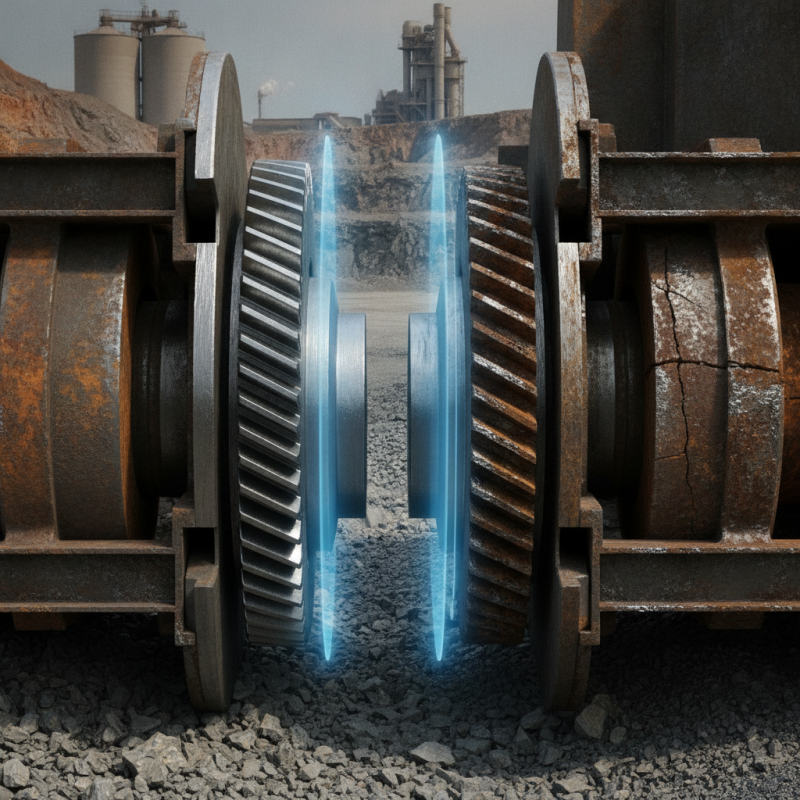
Enhance Anti Wear Performance for Mining and Cement Industries?

Innovative Materials for Enhanced Wear Resistance in Mining Equipment

The mining and cement industries face significant wear challenges. Equipment is often subjected to harsh conditions. This leads to frequent breakdowns and increased costs. Innovative materials are crucial for improved wear resistance. These materials can enhance the lifespan of essential machinery.

One emerging solution is the use of advanced composites. These materials combine strength and flexibility. They can withstand abrasive environments, reducing maintenance frequency. Another promising option is the application of ceramic coatings. These coatings can provide a protective barrier against wear and corrosion, ensuring better performance.

However, the development of these materials requires careful consideration. There is a need for ongoing research to evaluate their long-term effectiveness. Understanding the specific wear mechanisms in various applications is essential. Not all solutions will perform equally across diverse operating conditions. This calls for a thoughtful approach to material selection and testing in real-world scenarios.

Key Factors Influencing Wear in Mining and Cement Operations

In mining and cement operations, wear is a significant challenge. The harsh environments and heavy machinery contribute to accelerated wear. Several key factors influence this wear and can help mitigate its effects.

Material selection is critical. Using durable materials can enhance the lifespan of equipment. However, choosing the right alloy or composite requires understanding the specific operational conditions. Temperature fluctuations and exposure to abrasive materials can undermine even the best materials. A detailed analysis of local conditions is essential for effective decision-making.

Additionally, maintenance practices play a vital role. Regular inspections and timely repairs may reduce unexpected failures. Overlooking minor issues can lead to larger problems over time. It's crucial to establish a consistent maintenance schedule. Training personnel to recognize wear patterns can also improve outcomes. However, even with the best practices, some equipment will inevitably face wear. Adapting strategies based on real-time data can help optimize performance.

Advanced Coating Technologies to Combat Wear in Harsh Environments

In the mining and cement industries, harsh conditions lead to serious wear on equipment. The relentless grinding of materials can quickly deteriorate machinery. To combat this, advanced coating technologies offer promising solutions. These coatings enhance durability, even in extreme environments.

One effective approach is the use of ceramic-based coatings. They resist abrasion and corrosion, extending equipment life. However, application techniques vary and require careful consideration. Longevity can be impacted if not applied correctly. An inconsistency in coating thickness can lead to failure at critical points.

Another method involves nanotechnology. Nanostructured coatings provide superior wear resistance. These coatings behave differently at a microscopic level, creating a robust barrier against damage. Yet, innovation often faces practical hurdles. The cost-effectiveness of these coatings needs evaluation in real-world applications. Balancing performance and expense is crucial for industry adoption.

Maintenance Strategies for Prolonging Equipment Life in Rugged Industries

In the rugged world of mining and cement industries, equipment reliability is crucial. Regular maintenance strategies play a vital role in ensuring durability. These industries face unique challenges that stress machinery. Wear and tear on equipment can lead to costly downtimes. Implementing a proactive maintenance schedule helps counteract these challenges.

Observation is key. Many companies fail to monitor equipment performance effectively. This oversight can result in unexpected breakdowns. Predictive maintenance techniques using data analytics can identify potential issues early. Staff training is equally important. Employees must understand the equipment they operate and the signs of wear.

Publications suggest that routine inspections lead to better outcomes. Taking time for preventive measures, such as lubrication and part replacements, can enhance lifespan significantly. Companies often underestimate the impact of these simple tasks. Investing in staff knowledge about maintenance schedules is a long-term strategy with proven benefits.

Case Studies on Successful Wear Performance Improvements in Mining Sector

The mining sector faces significant wear challenges. Equipment often operates in harsh environments. This leads to frequent failures and costly repairs. Case studies illustrate effective strategies to enhance anti-wear performance. These strategies can inform best practices across various mining operations.

One mining company implemented advanced materials to combat equipment wear. They replaced standard wear plates with enhanced composites. These materials showed a noticeable reduction in wear rates. Additionally, regular maintenance schedules were established. This proactive approach prevented unexpected breakdowns and extended equipment life.

In another instance, a cement plant analyzed wear patterns in critical equipment. By utilizing data analytics, they pinpointed high-wear areas. This led to targeted interventions, improving overall performance. However, not all attempts have been successful. Some new materials did not perform as expected, highlighting the need for ongoing research. Continuous improvement is key to overcoming these challenges and ensuring operational efficiency.

FAQS

: What challenges do mining and cement industries face regarding equipment?

: Equipment experiences severe wear and tear, causing frequent breakdowns and increased costs.

How can innovative materials help in these industries?

Advanced materials improve wear resistance and extend the lifespan of critical machinery.

What are advanced composites?

They combine strength and flexibility, suitable for abrasive environments, reducing maintenance needs.

How do ceramic coatings enhance equipment performance?

Ceramic coatings act as a protective barrier, reducing wear and corrosion for better performance.

Why is research needed for new materials?

Ongoing research helps assess long-term effectiveness and understand specific wear mechanisms.

What crucial maintenance strategy can improve equipment reliability?

A proactive maintenance schedule significantly helps mitigate wear-related issues.

Why is monitoring equipment performance important?

Effective observation can prevent unexpected breakdowns and costly downtimes.

How does predictive maintenance work?

It uses data analytics to identify potential issues early, allowing for timely interventions.

Why is staff training important?

Employees should recognize wear signs and properly operate the equipment for optimal performance.

What common maintenance tasks are often overlooked?

Simple tasks like lubrication and part replacements can greatly enhance equipment lifespan.

Conclusion

The article "Enhance Anti-Wear Performance for Mining and Cement Industries" delves into the critical aspects of improving wear resistance in equipment used within these demanding sectors. It discusses innovative materials designed to enhance anti-wear performance in mining and cement industries, emphasizing the need for robust solutions to tackle the challenges posed by abrasive environments.

Key factors influencing wear in these operations are analyzed, along with advanced coating technologies that offer protection against harsh conditions. Furthermore, the article outlines effective maintenance strategies that can prolong equipment life in rugged industries. Completing the coverage, case studies are presented, highlighting successful improvements in wear performance within the mining sector, showcasing practical applications of the discussed methodologies.

Sienna

Sienna

Sienna is a skilled marketing professional with a deep expertise in our company’s core products and services. With a passion for innovation and detail, she plays a pivotal role in crafting insightful blog posts that not only highlight the unique features of our offerings but also provide valuable......