Steel-ceramic composites combine a tough metallic substrate with a hard, wear-resistant ceramic phase. This structure can protect mining chutes, pump parts, cutting tools, and impact liners. The opportunity is substantial. The World Steel Association reported approximately 1.89 billion tonnes of crude steel production worldwide in 2023. Even a small improvement in component life can reduce replacement demand, downtime, and maintenance waste.
However, strength alone does not guarantee service performance. The 2024 MarketsandMarkets report on ceramic matrix composites identifies aerospace, energy, and industrial equipment as major application sectors. Its findings also highlight the importance of thermal stability, lightweight design, and damage resistance. These priorities apply to steel-ceramic systems, but industrial results depend on interface quality. Poor bonding, residual stress, ceramic porosity, and sharp hardness transitions can cause premature cracking.
The purpose of this guide is to Optimize performance of steel-ceramic composite materials through practical design and process control. It examines steel selection, ceramic particle size, wetting behavior, interface architecture, heat treatment, and wear testing. Professor Anthony G. Evans, a leading authority on advanced structural materials, captured the design challenge clearly: “The goal is to combine strength with toughness and reliability.” That principle remains useful here.
Real production is rarely perfect. A laboratory sample may perform well, while a large plate develops uneven cooling stress. Small defects matter. Therefore, optimization should connect microscopy, hardness mapping, impact testing, and field feedback. Engineers should question attractive test results, especially when testing conditions do not represent dust, impact, heat, or repeated loading.
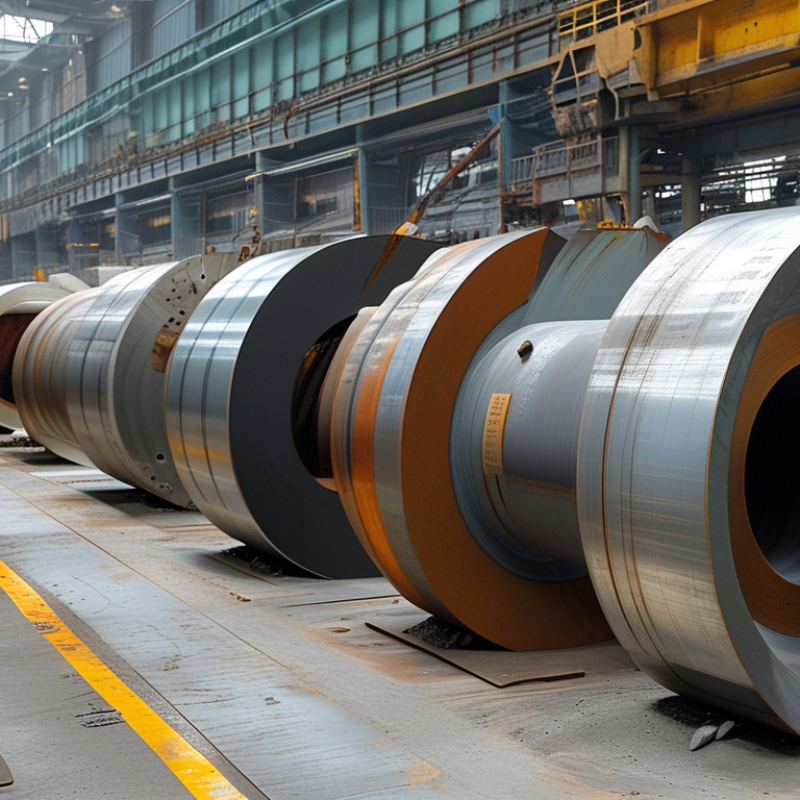
China Best Guide to Optimize Steel Ceramic Composite Materials
What Are Steel Ceramic Composite Materials?
Steel ceramic composite materials combine a tough steel substrate with a hard ceramic layer or ceramic particles. The steel absorbs impact, while ceramics resist abrasion, heat, and corrosion. Common ceramic phases include alumina, silicon carbide, and chromium carbide.
This structure matters in demanding equipment. A steel plate may bend under impact, but its ceramic surface can reduce cutting and sliding wear. According to the World Steel Association’s World Steel in Figures 2024, global crude steel production reached about 1.89 billion tonnes in 2023. Even a small improvement in service life could reduce replacement demand, transport, and downtime across heavy industries.
Material selection must follow the actual failure mode. USGS Mineral Commodity Summaries 2024 identifies alumina and silicon carbide as important industrial ceramic materials, valued for hardness and thermal stability. However, hardness alone is not enough. Poor bonding can create cracks, peeling, or hidden gaps beneath the surface. This is where optimization often fails.
Test the interface carefully.
Engineers should examine ceramic thickness, steel grade, surface preparation, thermal expansion, and impact energy. Field experience also shows that laboratory abrasion results may not predict wet, dusty, or high-impact conditions. Small design changes can matter. A thicker ceramic layer may improve wear resistance, yet reduce flexibility. The best composite is not the hardest one; it is the one matched to load, temperature, and maintenance conditions.
Steel–ceramic composites combine the toughness and machinability of steel with the hardness, wear resistance, and thermal stability of ceramic phases. The chart compares representative properties of commonly used constituent materials.
Steel provides structural toughness at a moderate hardness, while alumina, silicon carbide, and zirconia offer substantially higher hardness. Material selection should balance wear resistance, density, thermal conditions, bonding strength, and manufacturing requirements.
Designing steel ceramic composites begins with the service condition, not a fixed material formula. Engineers examine impact energy, abrasion, temperature, load cycles, and corrosive media. A mining chute may need a tough steel backing and a hard ceramic working layer. A pump component may require different thickness and edge protection. Small details matter.
Ceramic content, particle size, steel grade, and bonding method are then selected together. The steel must absorb shock without excessive deformation. The ceramic must resist cutting and sliding wear. During manufacturing, surfaces are cleaned, measured, and prepared before casting, pressing, or controlled infiltration. Heat input requires careful control. Uneven cooling can create residual stress and hidden cracks. Dimensional checks should follow machining, not only before it.
Reliable production includes more than a hardness test. Samples are examined for bond strength, porosity, ceramic distribution, surface defects, and thermal stability. Experienced technicians compare laboratory results with field wear patterns. This feedback often changes the next design. Not every trial works. A thicker ceramic layer may improve abrasion resistance but reduce impact tolerance. Engineers should document these trade-offs and verify them under realistic loads. Installation also matters, because sharp corners, poor support, or excessive tightening can damage the composite before service begins.
Representative engineering data for selecting ceramic phases, steel matrices, reinforcement levels, and manufacturing routes. Values are typical ranges and must be validated for the final design.
| Composite Design | Ceramic Phase | Typical Steel Matrix | Ceramic Content or Layer | Density (g/cm³) |
Hardness (Typical) |
Thermal Expansion (×10⁻⁶/K) |
Suitable Manufacturing Route | Primary Design Advantage |
|---|---|---|---|---|---|---|---|---|
| Steel matrix with alumina particles | Aluminium oxide (Al₂O₃) | Low-carbon or low-alloy steel | 20–50 vol.% particles; commonly 10–100 μm | 5.8–7.2 | 350–750 HV, composition dependent | 9–14 | Powder metallurgy, infiltration, or liquid-metal stir casting | Improves abrasive-wear resistance while retaining steel toughness |
| Steel substrate with alumina ceramic overlay | Aluminium oxide (Al₂O₃) | Structural carbon steel or stainless steel | 0.5–5 mm ceramic layer; steel backing retained | 3.9–4.2 overlay; substrate remains steel | 1,200–2,000 HV for dense alumina | 7–9 for alumina; 10–13 for steel | Hot pressing, ceramic sintering with joining, or brazing | High surface hardness with a ductile load-bearing backing |
| Steel matrix with silicon carbide reinforcement | Silicon carbide (SiC) | Medium-carbon or low-alloy steel | 10–35 vol.% particles; commonly 10–80 μm | 6.0–7.5 | 400–900 HV, depending on interface and fraction | 8–13 | Powder metallurgy, pressure infiltration, or controlled casting | Good abrasion resistance and high thermal conductivity potential |
| Steel matrix with zirconia toughened alumina | Alumina–zirconia ceramic | Low-alloy steel or stainless steel | 15–40 vol.% ceramic; submicron to 20 μm particles | 5.7–7.3 | 500–1,300 HV, depending on ceramic fraction | 9–13 | Powder metallurgy followed by sintering and hot consolidation | Higher fracture toughness than monolithic alumina-based overlays |
| Steel matrix with tungsten carbide particles | Tungsten carbide (WC) | Tool steel, high-alloy steel, or iron-based alloy | 30–70 wt.% particles; commonly 50–500 μm | 9.5–13.5 | 700–1,400 HV, matrix dependent | 6–9 | Hardfacing, laser cladding, brazing, or infiltration | Very high resistance to sliding and impact abrasion |
| Steel–ceramic functionally graded layer | Al₂O₃, SiC, or WC with a gradual composition change | Low-alloy steel or stainless steel | 10–80 vol.% ceramic gradient across 1–10 mm | 5.5–11.5 | 350–1,300 HV through the graded region | 8–14 with reduced thermal mismatch stress | Layered powder metallurgy, additive deposition, or graded laser cladding | Reduces abrupt interface stresses and delamination risk |
| Steel–ceramic laminate or sandwich panel | Alumina, zirconia, or silicon carbide plate | Carbon steel or stainless steel skins | Ceramic core or plate: 2–20 mm | 4.0–8.0 overall, depending on lay-up | 600–2,000 HV at ceramic surface | 7–13 across the structure | Adhesive bonding, brazing, diffusion bonding, or mechanical fastening | Combines ceramic protection with structural steel stiffness and impact support |
| Steel with ceramic thermal-barrier coating | Partially stabilized zirconia | Heat-resistant alloy steel | 0.1–1.0 mm coating plus bond coat | 5.5–7.8 overall | 500–1,200 HV, coating dependent | 8–12 for ceramic; 10–14 for steel | Atmospheric plasma spraying or physical vapor deposition | Reduces heat transfer and protects the steel at elevated temperature |
Steel ceramic composites combine a tough metal base with a highly wear-resistant ceramic surface. The steel core provides impact strength and structural support. The ceramic layer resists abrasion, heat, and certain corrosive environments. In conveyor chutes, liners, and material-handling equipment, this combination can extend service life noticeably. Field inspections often reveal smoother surfaces and fewer replacement interruptions. That matters.
Optimization starts with choosing the correct ceramic composition and layer thickness. Engineers should match these choices with particle size, impact speed, temperature, and moisture. A thick layer is not always better. Excess thickness may increase weight or create stress at the interface.
Careful surface preparation also improves bonding reliability. Poor preparation can cause peeling, even when the ceramic itself remains hard.
Small details matter. Practical trials with real operating materials often reveal weaknesses that laboratory samples miss. Drainage, bolt placement, and edge protection deserve attention during installation.
No formulation is perfect. A design may resist abrasion well but perform poorly under repeated shock. Reviewing wear patterns after several months can guide useful adjustments. The most reliable solution balances durability, maintainability, operating cost, and realistic site conditions.
China Best Guide to Optimize Steel Ceramic Composite Materials
Selecting the right steel ceramic composite begins with the actual failure mode. Measure abrasion, impact, temperature, corrosion, and load separately. A chute carrying dry quartz needs different protection from a pipe transporting wet slurry. Hard ceramic layers resist cutting wear, while steel backing absorbs shock and supports installation. A hardness-only choice can fail quickly.
Alumina suits many mineral-handling surfaces with steady abrasion and moderate impact. Zirconia-based ceramics may offer better toughness, but they usually require stricter cost control. For severe impact, increase the steel backing thickness and reduce unsupported ceramic spans. Check operating temperatures, because thermal expansion can loosen poorly designed interfaces. Small gaps matter.
Field inspections should include worn edges, bolt holes, welds, and transition zones. These areas often fail before the main panel. Confirm the ceramic thickness against expected wear depth, not only the initial purchase price. Ask for documented test methods, bond strength, dimensional tolerances, and traceable inspection records. Laboratory data helps, but it cannot fully reproduce dust, vibration, moisture, and uneven feeding. I have seen well-specified liners underperform because installation ignored surface flatness. That mistake deserves review. A practical selection should also consider replacement time, access equipment, and worker exposure during maintenance.
Steel ceramic composite materials can resist severe abrasion, but their service life begins with careful installation. Inspect the steel backing for distortion, oil, and rust before fitting each panel. The supporting frame must be rigid and correctly aligned. Small gaps can concentrate impact and crack the ceramic layer. Use approved fasteners, controlled tightening, and suitable clearance for thermal movement. Avoid forcing panels into position.
Keep cutting and drilling away from the ceramic surface whenever possible. Unprotected edges are vulnerable during lifting, so use padded slings and clean contact surfaces. In high-impact chutes, install panels with staggered joints to prevent one continuous wear path. Field conditions often differ from drawings. Measure twice. That habit prevents expensive rework.
Maintenance should include scheduled inspections, not only emergency repairs. Check joint openings, loose bolts, edge chipping, backing deformation, and unusual material buildup. A flashlight and thickness gauge can reveal problems hidden beneath dust. Record wear at fixed locations and compare measurements over time. Replace damaged sections before the steel backing becomes exposed. This is where practice can be imperfect: inspection intervals based only on calendar dates may miss sudden failures. Load, moisture, particle size, impact angle, and operating temperature all influence service life. A realistic replacement plan should use actual wear data, not optimistic estimates. Cleaning methods also matter; aggressive tools may damage joints or expose ceramic edges.
: Start with the actual failure mode, including abrasion, impact, temperature, corrosion, and load cycles. Hardness alone is insufficient.
The ceramic layer resists cutting and sliding wear. The steel backing absorbs shock and supports installation.
Alumina suits steady abrasion with moderate impact. Zirconia-based ceramics may provide greater toughness but usually require tighter cost control.
Severe impact may require thicker steel backing and shorter unsupported ceramic spans. A thicker ceramic layer can reduce impact tolerance.
Surfaces must be cleaned, measured, and prepared before bonding or casting. Controlled heat input helps reduce hidden cracks and residual stress.
Check bond strength, porosity, ceramic distribution, surface defects, and thermal stability. Dimensional checks should follow machining.
Inspect worn edges, bolt holes, welds, and transition zones carefully. These areas may fail before the main panel.
No. Laboratory data cannot fully reproduce dust, vibration, moisture, or uneven material feeding. Field feedback matters.
Poor surface flatness, sharp corners, weak support, or excessive tightening can damage the panel. Small gaps matter.
Consider expected wear depth, replacement time, access equipment, and maintenance exposure. The cheapest option may not be the best.
Steel-ceramic composite materials combine the toughness and structural strength of steel with the hardness, wear resistance, and thermal stability of ceramics. This guide explains how these materials are designed and manufactured, including the selection of ceramic layers, steel substrates, bonding methods, and processing conditions. It also examines their key performance advantages, such as resistance to abrasion, impact, corrosion, and high-temperature operating environments.
Choosing the right composite requires careful consideration of load conditions, material contact, temperature, chemical exposure, and expected service life. Proper installation is equally important, as accurate alignment, secure fastening, and suitable surface preparation can significantly improve reliability. Regular inspections and timely maintenance help prevent premature damage and extend operating life. By matching material structure and production quality to actual working conditions, users can Optimize performance of steel-ceramic composite materials while reducing downtime, replacement frequency, and long-term maintenance costs.
Xingli Industrial Ceramics