In the ever-evolving landscape of industrial manufacturing, the need to enhance durability of high-wear industrial materials has become paramount. Experts like Dr. Emily Chen, a renowned materials scientist, emphasize, "Improving material durability is essential for operational efficiency and sustainability." Her insight reflects a critical industry need, especially as companies face increasing demands for longer-lasting materials.
The quest to enhance durability is not just about extending the lifespan of materials. It also addresses the rising costs associated with frequent replacements. High-wear materials such as machinery components must withstand harsh conditions without failing. This reality has led to innovative research and applications aimed at improving material performance.
Despite advancements, challenges remain. Some methods can be cost-prohibitive or technically complex. Balancing innovation with practicality requires ongoing reflection and adaptation. By focusing on effective strategies to enhance durability, the industry can ensure that its materials meet future needs and withstand the test of time.
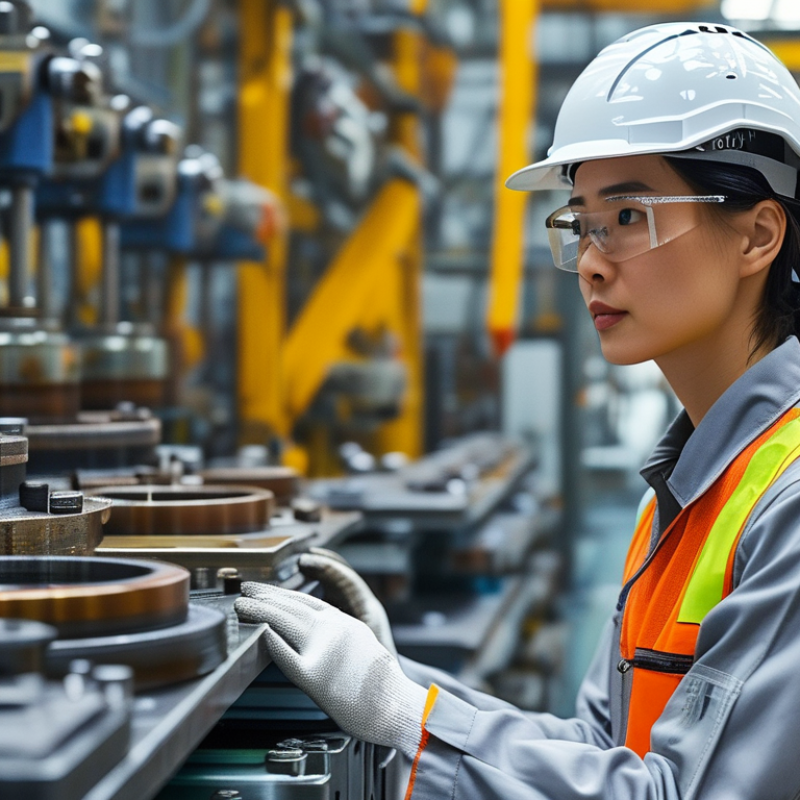
Durability is a critical factor in industrial materials, influencing their performance and lifespan. Understanding durability involves key concepts such as wear resistance, corrosion resistance, and structural integrity. According to a recent report by the International Journal of Materials Science, materials with high wear resistance can last up to 50% longer in demanding industrial conditions. This highlights the importance of selecting appropriate materials based on their expected use.
When enhancing durability, consider using materials with a strong chemical resistance. Coatings and treatments can significantly improve material longevity. A study by the American Society for Testing and Materials indicates that treated metals can resist corrosion for over 40 years. Factoring in environmental conditions is also crucial. Extreme temperatures, humidity, and chemical exposure can all shorten a material's life.
Tips: Regularly evaluate the performance of materials in your operations. Small issues can indicate larger durability problems. Engage with industry experts for insights on innovative materials and treatments. This might help identify weaknesses you may not have considered before. Remember, every material has limitations. Recognizing these can guide better decisions in material selection and treatment processes.
When discussing the durability of industrial materials, several key factors come into play. Environmental conditions significantly impact their longevity. For instance, extreme temperatures and humidity can weaken structures. Prolonged exposure to UV rays may lead to discoloration and degradation. Corrosive substances can also cause irreversible damage.
Material composition is another critical element. Some materials exhibit inherently low resistance to wear and tear. This can lead to frequent replacements and increased costs. The manufacturing process affects durability as well. Poor quality control may result in defects that compromise the material's integrity over time.
Regular maintenance practices also influence durability. Neglecting routine checks and repairs can exacerbate wear. Operators must remain vigilant in monitoring signs of deterioration. Investing in training can help workers identify potential issues early. Understanding these factors allows for better decision-making in material selection and maintenance strategies.
The pursuit of enhanced material durability is vital in various industries. Innovative treatments can significantly improve the lifespan of industrial materials. Techniques such as nanotechnology and surface coatings have emerged as leading methods. These treatments can protect against corrosion, abrasion, and degradation.
Nanoparticles, when integrated into materials, can offer impressive strength without adding significant weight.
Surface modifications, including plasma treatment and chemical coatings, are increasingly popular. Plasma treatment alters the surface structure at a molecular level. This transformation leads to improved adhesion and wear resistance. Chemical coatings create a shield, minimizing the impact of harsh environments. Both approaches have demonstrated effectiveness in extending the service life of materials.
However, challenges remain. Some treatments may lose effectiveness over time. Others may not be cost-effective for all industries. Research is ongoing to determine sustainable solutions. This reflects the evolving nature of material technology. Balancing durability with environmental considerations is complex. Industry experts are actively engaged in addressing these issues while improving material performance.
Evaluating the durability of industrial materials is critical for enhancing their lifespan. Various testing methods exist to assess how materials perform under stress. Common techniques include tensile strength tests, impact resistance evaluations, and fatigue testing. These methods provide insights into how materials behave in real-world conditions. Observations during these tests reveal weaknesses and areas needing improvement.
A surprising finding often arises from accelerated aging tests. These tests simulate long-term wear and reveal vulnerabilities not seen in standard evaluations. Moreover, field testing delivers real-time data. It captures how materials interact with environmental factors over time. Yet, practical tests can sometimes overlook unexpected variables, leading to incomplete assessments.
Collaboration with engineers and material scientists is vital. Their expertise lends valuable perspectives on the nuances of material behavior. An interdisciplinary approach fosters innovation and encourages thorough evaluations. Continuous refinement of evaluation methods may yield better insights. Understanding that there is always room for improvement keeps the research dynamic and relevant.
| Method | Description | Effectiveness Rating (1-5) | Cost (USD per unit) |
|---|---|---|---|
| Surface Coating | Applying a protective layer to prevent corrosion and wear. | 4 | 50 |
| Heat Treatment | Modifying material properties through controlled heating and cooling. | 5 | 100 |
| Hybrid Materials | Combining different materials to leverage the best properties of each. | 4 | 75 |
| Nanomaterials | Utilizing materials at the nanoscale for enhanced strength and durability. | 5 | 200 |
| Regular Maintenance | Implementing a systematic approach to inspect and maintain materials. | 3 | 30 |
Future trends in durable industrial material development focus on innovative approaches to enhance performance and sustainability. In recent years, the demand for advanced materials has surged. According to a report by Smithers Pira, the global market for durable industrial materials is expected to grow by 5% annually, reaching $750 billion by 2026. This growth is driven by the need for materials that withstand extreme conditions and reduce maintenance costs.
Researchers are exploring bio-based composites and nanomaterials. These materials often exhibit superior strength-to-weight ratios. For instance, a study from the University of Massachusetts found that nanocomposites can improve durability by up to 40%. However, challenges remain. The processing and production of these materials can be complex and costly. Additionally, the scalability of sustainable alternatives is still under investigation.
As industries push for greener solutions, the use of recycled materials is gaining attention. Reports from the Circular Economy Coalition suggest that utilizing recycled inputs can reduce environmental impact by 30%. Yet, the variability in recycled material quality poses questions about reliability and performance. Continuous research is necessary to address these gaps, ensuring that future developments meet both durability and sustainability standards effectively.
: Durability refers to the performance and lifespan of materials. It involves wear and corrosion resistance.
High wear resistance can extend material life by up to 50%. It's important in demanding conditions.
Strong chemical resistance enhances material longevity. Treatments can protect against corrosion for decades.
Extreme temperatures, humidity, and UV exposure can weaken materials. These conditions lead to deterioration.
Some materials have low resistance to wear. This results in frequent replacements and higher costs.
Poor quality control can create defects. These defects compromise material integrity and longevity.
Maintenance checks prevent further wear. Neglecting these can lead to significant durability issues.
Training staff to monitor signs of wear is vital. Early detection helps address potential issues promptly.
Yes, every material has its weaknesses. Recognizing them leads to better selection and treatment decisions.
Environmental conditions and intended use are key. Engage with experts for innovative materials and solutions.
The article titled "2026 Best Ways to Enhance Durability of Industrial Materials" provides a comprehensive overview of strategies aimed at improving the lifespan and performance of high-wear industrial materials. It begins with an exploration of key concepts related to durability, outlining the fundamental factors that impact the longevity of these materials, such as environmental conditions, mechanical stresses, and chemical exposure. Innovative treatments, including advanced coatings and composite materials, are discussed as effective methods to enhance durability of high-wear industrial materials, ensuring they can withstand harsher operational environments.
Additionally, the article delves into various evaluation methods that assess the effectiveness of durability enhancement techniques, highlighting the importance of rigorous testing and monitoring. As industries advance, future trends indicate a shift towards sustainable and resilient material development, focusing on integrating innovative technologies that promise prolonged durability without compromising environmental integrity. Thus, the ongoing exploration of these themes is essential for industrial sectors aiming to optimize material performance and longevity.

Xingli Industrial Ceramics