In the world of industrial applications, Ceramic Lined Suction Pipes have gained significant attention for their ability to enhance performance. According to a recent report by the Global Pipeline Engineering Association, ceramic lining can improve the longevity of pipes by up to 300%. This statistic underscores the importance of selecting the right materials for high-stress environments.
Expert Dr. Jane Thornton states, "The durability of ceramic lined pipes is unparalleled. They withstand corrosion and erosion effectively." Such insights highlight the advantages these pipes offer over traditional materials. However, not all options currently on the market meet the same quality standards, and caution is warranted when choosing a supplier.
Selecting a reliable ceramic lined pipe is crucial. Many users have faced challenges with subpar products, leading to frequent replacements and increased costs. Companies must consider performance, cost, and longevity. The right choice in Ceramic Lined Suction Pipes can lead to significant operational efficiencies, but care must be taken to ensure the selected product truly delivers on its promises.
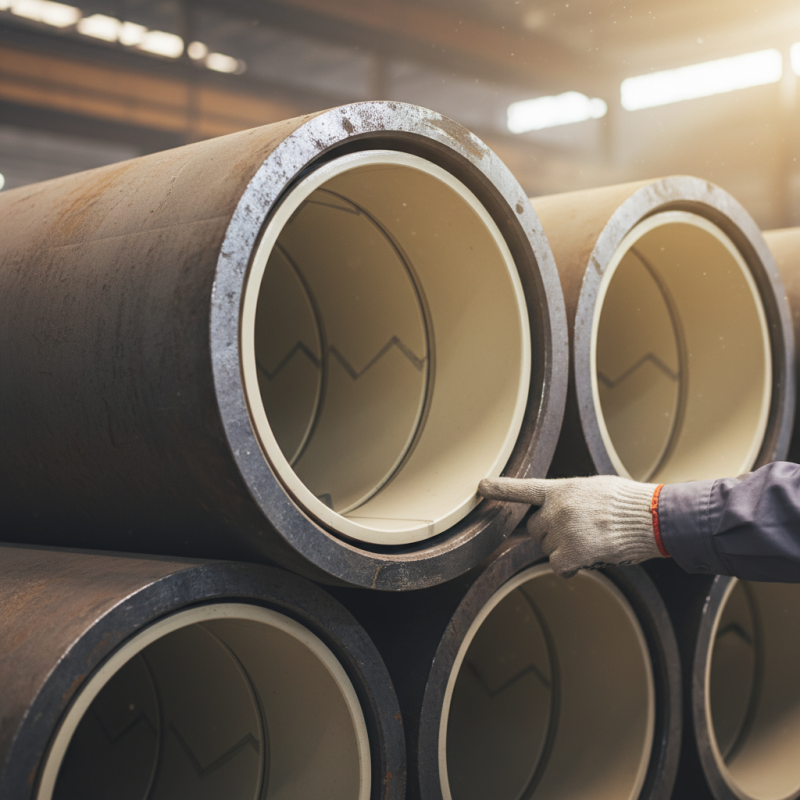
Ceramic linings play a crucial role in improving the performance of suction pipes in industrial settings. They provide a robust barrier against wear and corrosion, significantly extending the lifespan of the pipes. According to a study by the Industrial Research Institute, ceramic-lined pipes can reduce wear rates by up to 75% compared to standard materials. This reduction leads to less downtime for maintenance and replacements, ultimately enhancing productivity.
One notable benefit of ceramic linings is their resistance to harsh chemicals. In industries such as mining and chemicals, fluid corrosiveness can severely compromise traditional materials. The American Society for Testing and Materials (ASTM) reports that ceramic linings can withstand exposure to several aggressive substances without degradation. This is particularly valuable in applications involving abrasive slurries or caustic chemicals, where conventional options fail.
However, it is essential to consider potential challenges with ceramic-lined pipes. While they offer durability, they can be more expensive to install initially. Additionally, a mismatch in thermal expansion rates between the ceramic and pipe materials can lead to cracking. These factors might impact overall efficiency if not addressed properly. Balancing performance with cost and installation quality remains a critical consideration for industrial applications.
When selecting ceramic-lined suction pipes for optimal performance, it’s crucial to consider several key characteristics. High-quality ceramic linings are known for their exceptional hardness and durability. Reports show that ceramic materials can withstand extreme wear, often outlasting traditional materials by up to 300%. This makes them ideal for handling abrasive materials.
Another important feature is the bond strength. The adhesion between the ceramic and the pipe must be robust. A weak bond can lead to delamination, compromising the pipe's effectiveness. The ideal bond can minimize maintenance costs and maximize lifecycle efficiency.
Tips: Regular inspections can catch early signs of failure. Look for any cracks or chips in the lining. These small issues can escalate quickly.
Smooth internal surfaces are also important. They reduce turbulence, which enhances flow rates. Research indicates that smoother pipes can improve efficiency by up to 15%. Think about the impact this has on overall system performance.
Remember, not all ceramic linings are created equal. It’s essential to review material specifications and performance data. This attention to detail can make a significant difference in long-term operational success.
When exploring ceramic lined suction pipes, several key factors come into play. Durability is crucial. These pipes often face harsh conditions. The ceramic lining provides resistance against wear and corrosion. Companies focus on refining their production methods. However, some may overlook the importance of precise fitting. Neglecting this can lead to inefficiencies in performance.
Performance comparison is vital in this niche. Some products boast incredible flow rates. Yet, real-world performance can vary. Testing under actual operating conditions is key. A low-quality seal may result in leaks. It's a factor that can compromise overall effectiveness. Additionally, the weight of the pipes can be a concern. Heavier options might offer better durability but can complicate installation.
Price is often a reflection of quality. While affordability is appealing, it can sometimes mask underlying issues. Some budget options may wear out quickly. Additionally, after-sales support is worth considering. Not all manufacturers provide adequate assistance. It raises questions about long-term reliability. Investing in the right product requires thorough evaluation, beyond just marketing claims.
Ceramic materials significantly enhance wear resistance in suction pipes. They offer a tough surface that withstands abrasion more effectively than metal counterparts. According to industry reports, ceramic-lined pipes can last up to three times longer in harsh environments. This durability is crucial for industries that rely on efficient fluid transport.
Tips: Regularly inspect materials. Early detection of wear can help prevent costly downtimes.
The unique properties of ceramics allow for a smooth internal flow. This minimizes friction and optimizes performance. In high-velocity applications, reducing wear can lead to more consistent operations. However, ceramic materials can be brittle and may chip under excessive strain.
Tips: Assess the working conditions carefully. Ensure that pressure limits are not exceeded.
Adopting ceramic-lined suction pipes could be a game-changer. Their longevity reduces maintenance needs. However, it’s essential to weigh their benefits against potential setbacks. The initial investment may be higher, but long-term savings can offset costs. Always consider your specific situation before making a switch.
| Pipe Diameter (inches) | Length (feet) | Ceramic Lining Thickness (mm) | Max Pressure (psi) | Temperature Resistance (°F) | Estimated Longevity (years) | Wear Resistance Rating (1-10) |
|---|---|---|---|---|---|---|
| 4 | 10 | 5 | 150 | 250 | 15 | 9 |
| 6 | 12 | 6 | 200 | 300 | 20 | 10 |
| 8 | 15 | 7 | 250 | 350 | 18 | 8 |
| 10 | 20 | 8 | 300 | 400 | 25 | 10 |
| 12 | 25 | 9 | 350 | 450 | 30 | 9 |
When assessing the efficiency of ceramic lined suction pipes, specific performance metrics are crucial. One key metric is wear resistance. Ceramic materials often show a 10 to 15 times reduction in wear compared to traditional steel lined pipes. This means that industries can expect longer operational life and reduced downtime. A performance report from a major industry association indicated that systems with ceramic components have extended lifespans, averaging around 15 years without significant degradation.
Another critical factor is flow resistance. Ceramic lined pipes maintain higher flow rates due to their smooth interior surfaces. This can enhance overall efficiency by reducing energy losses during transportation. A leading engineering study revealed that the friction coefficient of ceramic lined systems is up to 40% lower than that of standard pipes. Such data emphasizes the potential for cost savings by minimizing energy consumption.
However, it's important to acknowledge the challenges. The initial installation costs for ceramic lined pipes can be high. While the long-term benefits are significant, businesses must carefully evaluate their budget constraints. Moreover, there can be issues related to thermal expansion between the ceramic and the pipe's base material, which may affect performance. Understanding these nuances is essential for optimal decision-making.
: Look for exceptional hardness, durability, and strong bond strength. These features ensure long-lasting performance.
A robust bond prevents delamination. A weak bond can lead to failures, increasing maintenance costs and reducing efficiency.
Smooth surfaces reduce turbulence and can enhance flow rates by up to 15%. This improves overall system performance significantly.
Inspections can detect small cracks or chips early. Early detection can prevent larger issues and costly downtimes later.
No, the quality of ceramic linings varies. Review specifications and performance data to ensure long-term operational success.
Heavier pipes may have better durability but can complicate installation. Balance weight with performance needs during selection.
Ceramics offer tough surfaces that withstand abrasion, often lasting up to three times longer than metal in harsh conditions.
Ceramics can be brittle and may chip under excessive strain. Assess working conditions and pressure limits carefully.
While lower prices may be appealing, they can indicate potential quality issues. Thorough evaluation beyond marketing claims is essential.
Not all manufacturers offer adequate support, which may affect long-term reliability. Investigate after-sales options before purchasing.
Ceramic Lined Suction Pipes are essential in industrial applications due to their significant benefits, including enhanced wear resistance and prolonged longevity. The incorporation of ceramic linings provides these pipes with the capability to withstand harsh operating conditions, effectively minimizing maintenance costs and downtime. High-quality ceramic lined pipes exhibit crucial characteristics such as thickness, bonding strength, and chemical resistance, which contribute to their overall performance and reliability.
A comparative analysis of leading brands highlights the varied approaches to design and engineering, showcasing how certain features can impact efficiency metrics. Evaluating the performance of Ceramic Lined Suction Pipes involves various metrics that measure their effectiveness, thereby assisting industries in making informed choices for optimal operation. Ultimately, these pipes offer a robust solution for industries seeking durability and efficiency in their suction processes.

Xingli Industrial Ceramics